Local detail
The Situation
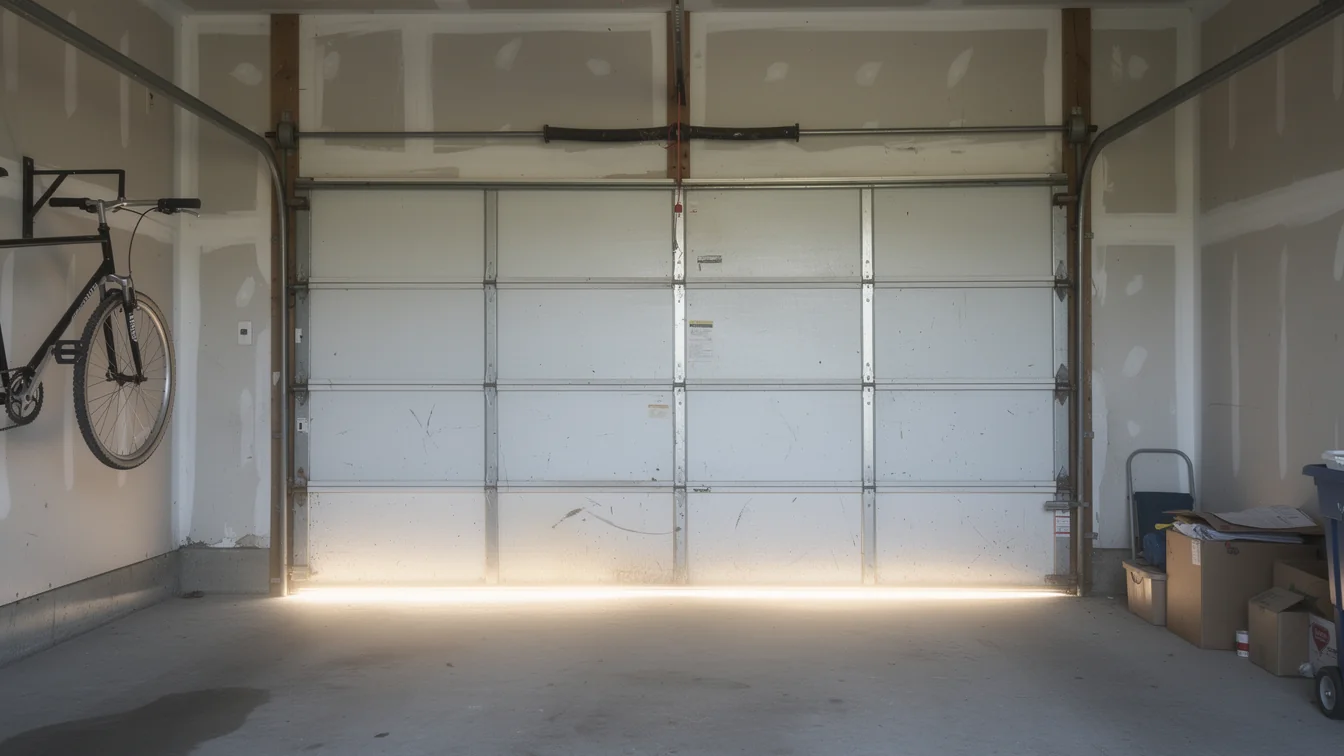
Surprise mostly isn't an old town. Housing here went up between 1979 and 2005, with the median build year landing around 2001, and across the seven named pockets that make up most of the service area, the stock skews even newer - a lot of it dating to the 2000s building boom. That matters more than people think, because it means most garage doors in this town are originals or close to it, installed by a builder in a hurry during a stretch when insulated doors weren't the standard they are now. A door that's 20 to 40 years old isn't rare here - it's the normal case. With 25,147 owner-occupied houses across roughly 35,491 households in the area, that's a lot of single-layer steel panels and original torsion springs still doing the job they were sized for two decades ago, in conditions that have only gotten harder on them.
The area
What Most People Get Wrong
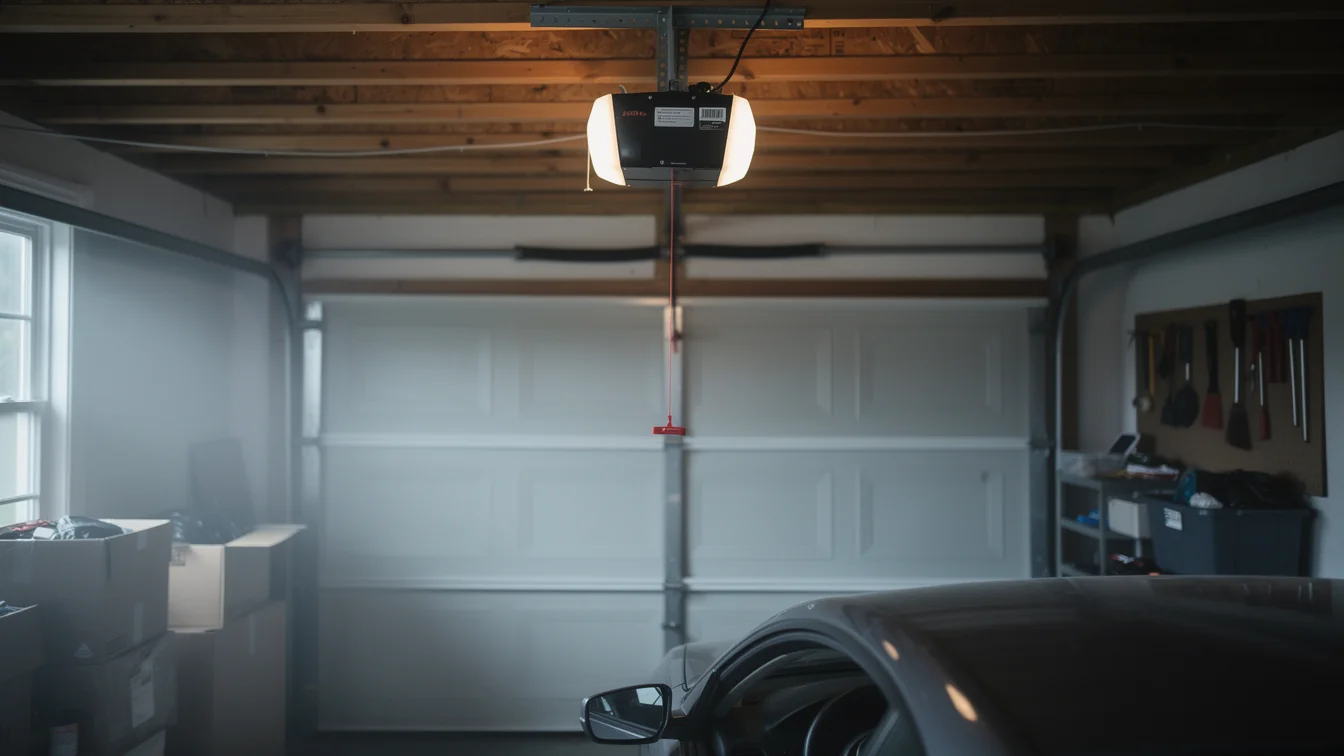
The assumption we hear most is that a quiet door is a fine door. In a house built in the late 1990s or early 2000s, the opener chain, the spring, and the rollers are all original-to-the-house parts rated for a build era that predated the insulation and weight standards common on doors sold today. People replace the opener when it stops working and leave the door itself alone, not realizing the door panel and the spring are a matched set to that original installation. Swap in a modern insulated door later and the old spring is often undersized for the new weight. The other mistake: treating a 2001-built door the same as a 2015-built one. They're not the same product, even if they look similar from the driveway. One was built to a different energy and material spec than the other, and the gap shows up first as drag on the track, then as a spring that gives out sooner than it should.
What we find
What the Weather Here Does to It
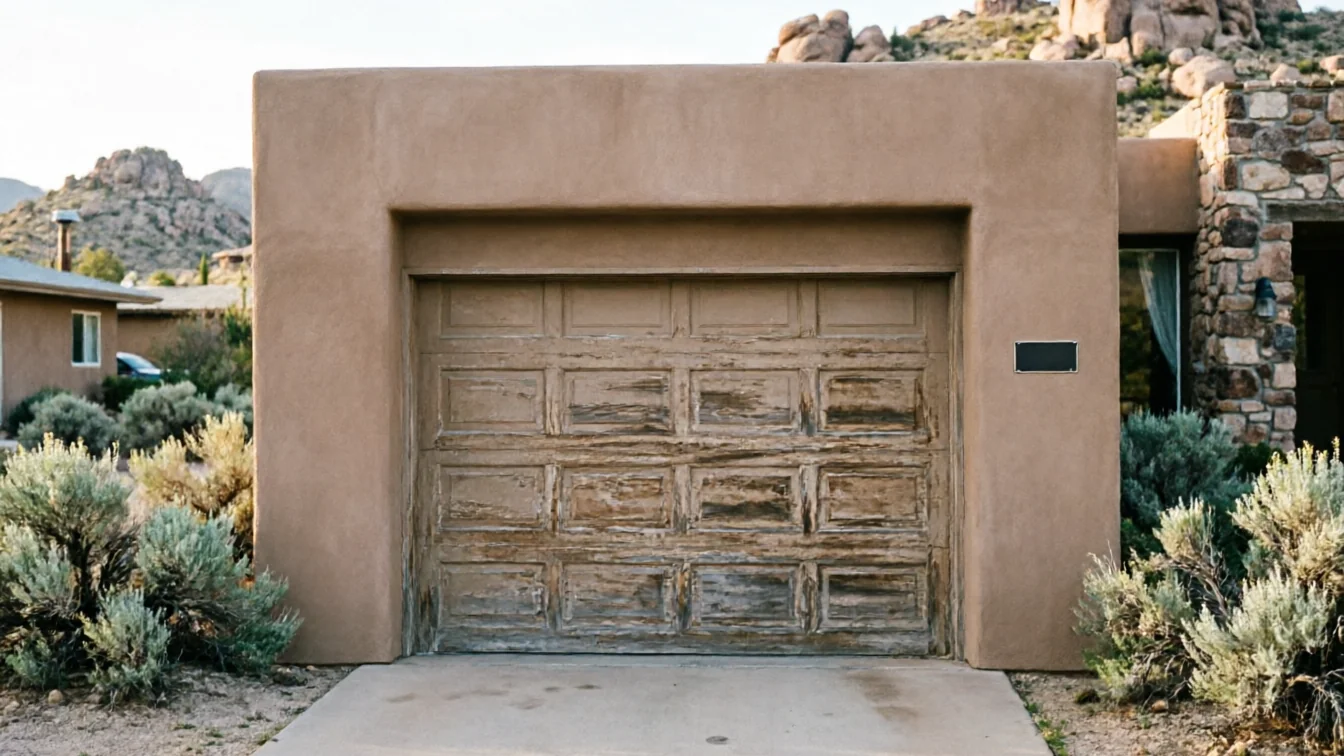
Surprise sits in a severe heat band, and that's the single hardest thing on a garage door system in this town. Steel panels expand through the day and contract overnight, over and over, for months at a stretch. On doors from the 1979-2005 building era - the ones without factory insulation layering - that panel is taking the full swing with nothing to buffer it, which stresses the seams and the hinges faster than it would on a modern insulated door. Springs lose tension faster in sustained heat too; the metal fatigues quicker than the manufacturer's rated cycle count assumes. Nylon rollers from that era get brittle and start cracking at the edges, which shows up as a door that jerks instead of glides. None of this is a defect - it's just what severe heat does to materials that are decades into their service life in houses built before insulation rules on garage doors were common.
How we work
When It Stops Being a DIY Job
A roller you can grease yourself. A sagging bottom panel on a door from this era, or a spring that's lost its tension, is a different animal - on a standard double door the spring is under enough load to cause real injury, and we don't recommend homeowners touch it. If your house falls in that 1979-2005 band and the door is still running its original spring, that's old enough that waiting for it to fail completely usually means it fails while the door's open, which is worse than failing closed. One limitation worth saying plainly: if the door panel itself has been baked and warped by years of heat cycling, a new spring and rollers won't fix the real problem, and at that point replacement is the honest call, not a repair bill.
Talk to a local pro
Garage door trouble in Surprise?
Same-day service with honest, upfront quotes.