Springs fail without warning
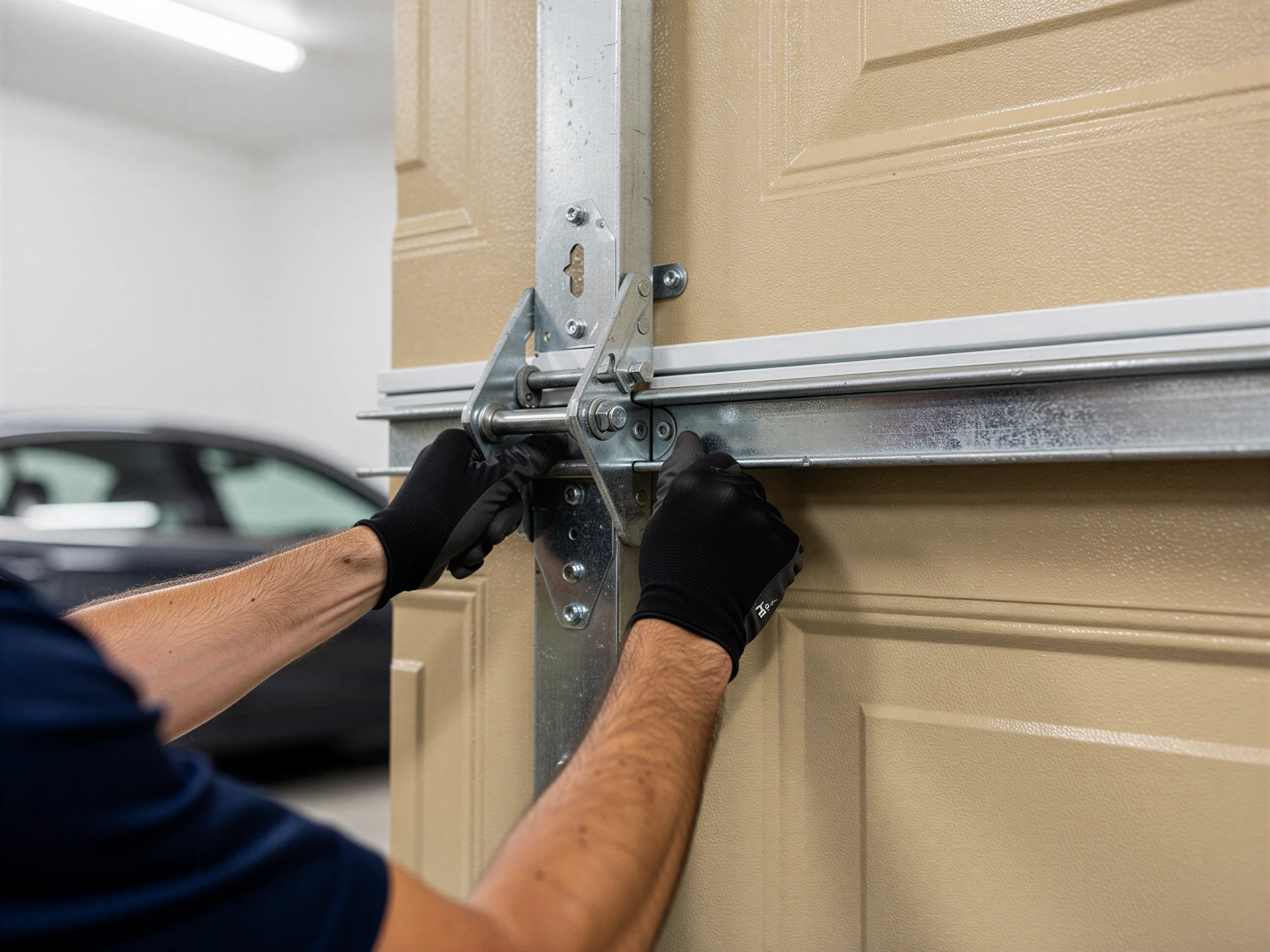
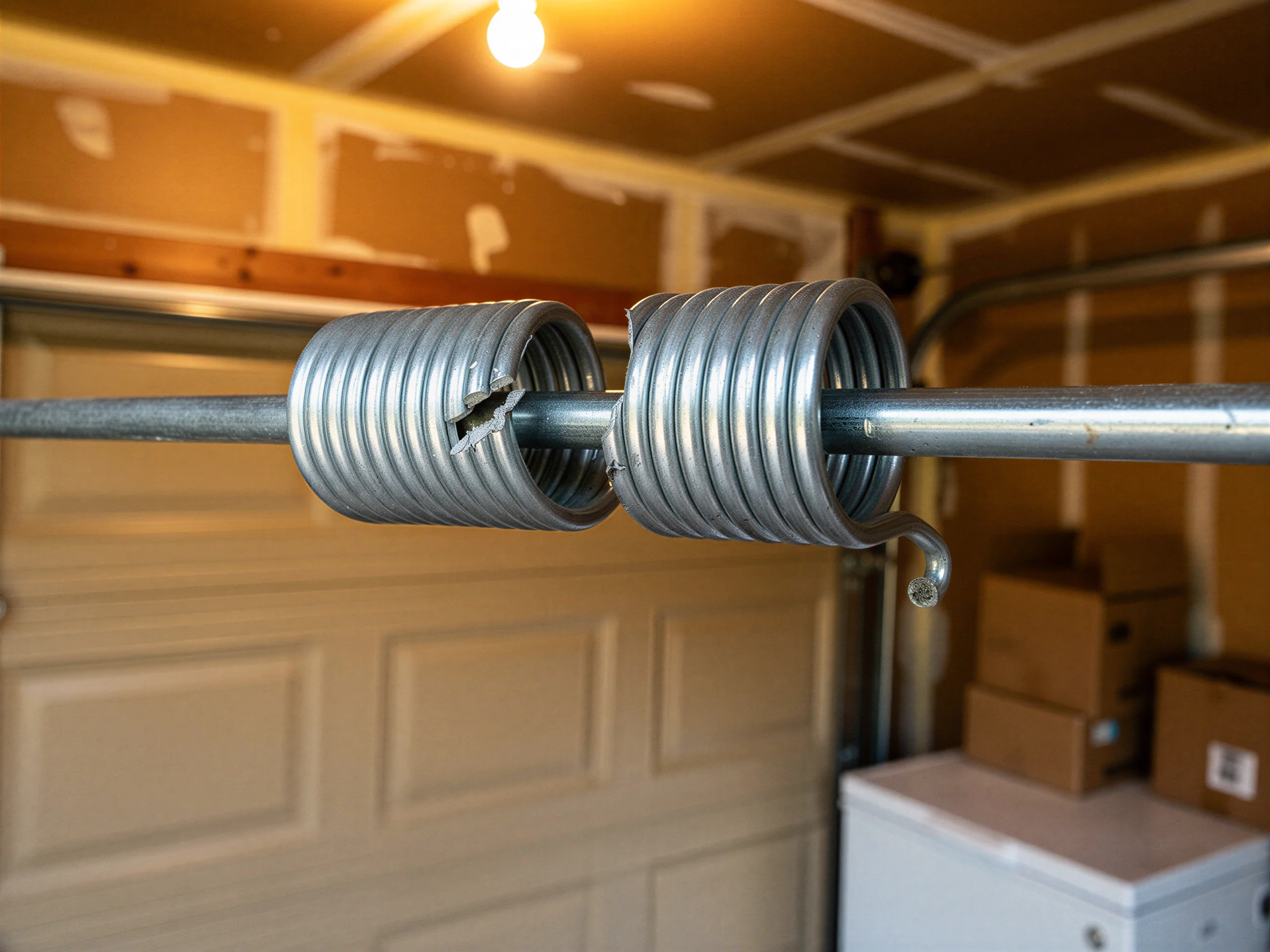
We hear about springs that let go without warning, openers from an earlier generation that grind instead of lift, and tracks that have been re-shimmed so many times the rollers ride crooked.
Youngtown, Surprise AZ
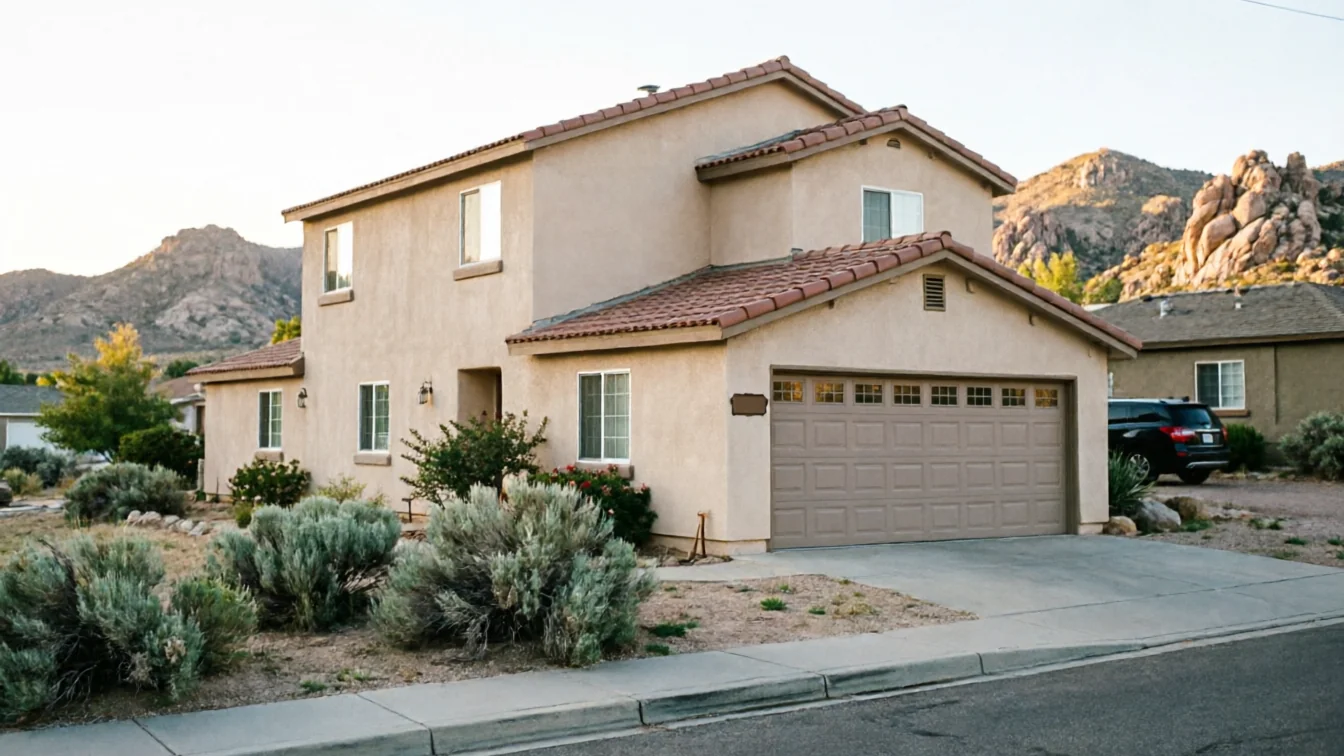
Garage door repair for Youngtown's 1979-era homes, serviced from Surprise. Spring, opener, and track fixes suited to older torsion hardware and desert heat.
What we do here
Service area
Serving Surprise, AZ
We run out of Surprise, and Youngtown is about 10 miles out, so there's no local depot here - every job means a drive. That's worth saying plainly: if you need someone standing in your driveway in twenty minutes, we're not that. Youngtown sits roughly between Sun City West and El Mirage, with Sun City Grand a few miles to the southeast and Surprise Farms closer still - we mention those only as geography, not as areas we're claiming separate service for. We quote the drive into the job like anywhere else on this list, and we don't pad a price because the address is a little further from base. If you're near the edge toward Wittmann or Morristown, say so when you call - distance affects scheduling more than it affects the repair itself.
Common jobs
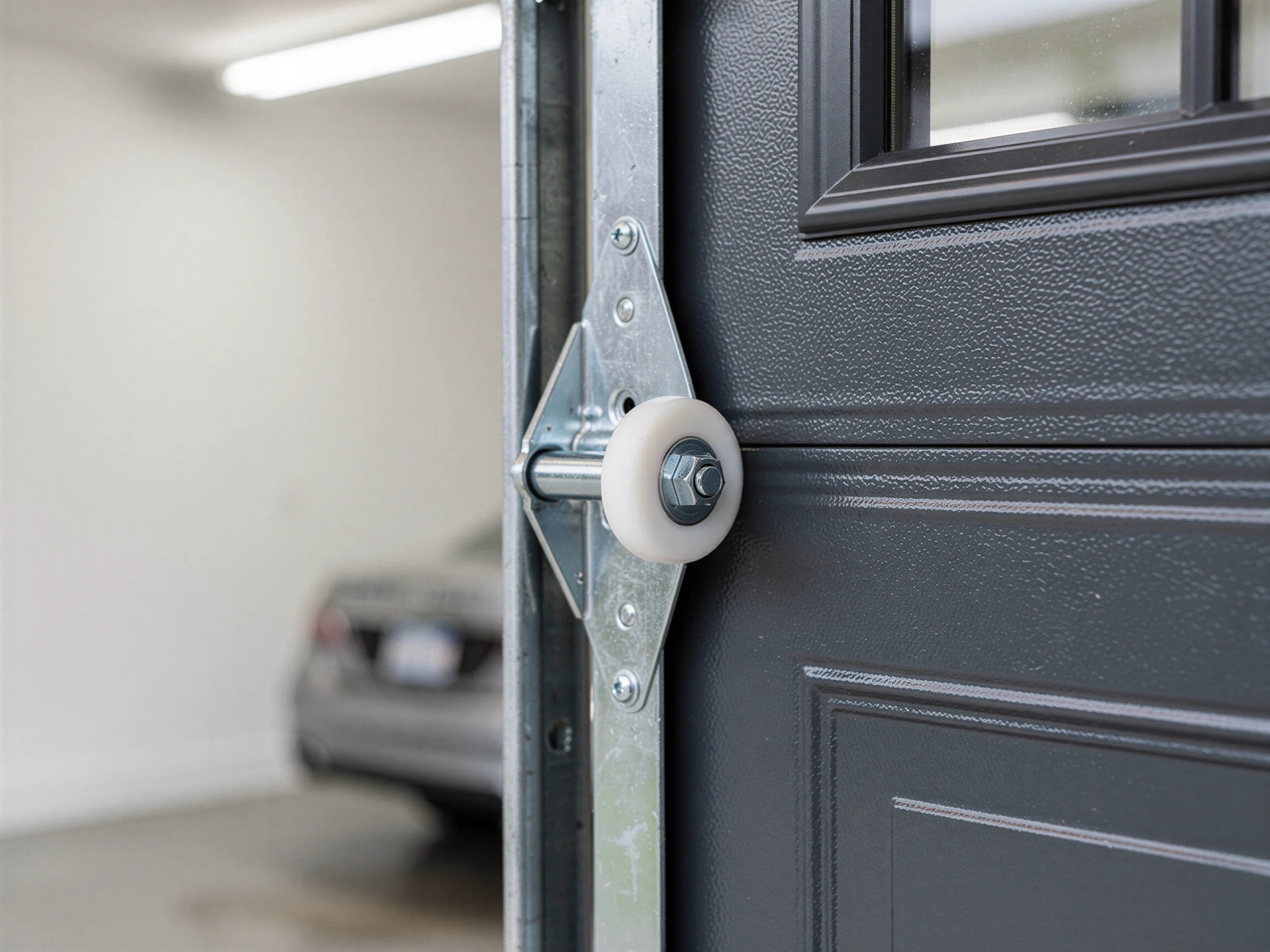
Youngtown's houses sit at the early edge of this area's build window, and that shows up in the calls we get. A lot of these garages still have their original torsion springs, the kind wound for a lighter door than what's hanging on the track now after decades of panel swaps and insulation add-ons.
We hear about springs that let go without warning, openers from an earlier generation that grind instead of lift, and tracks that have been re-shimmed so many times the rollers ride crooked.
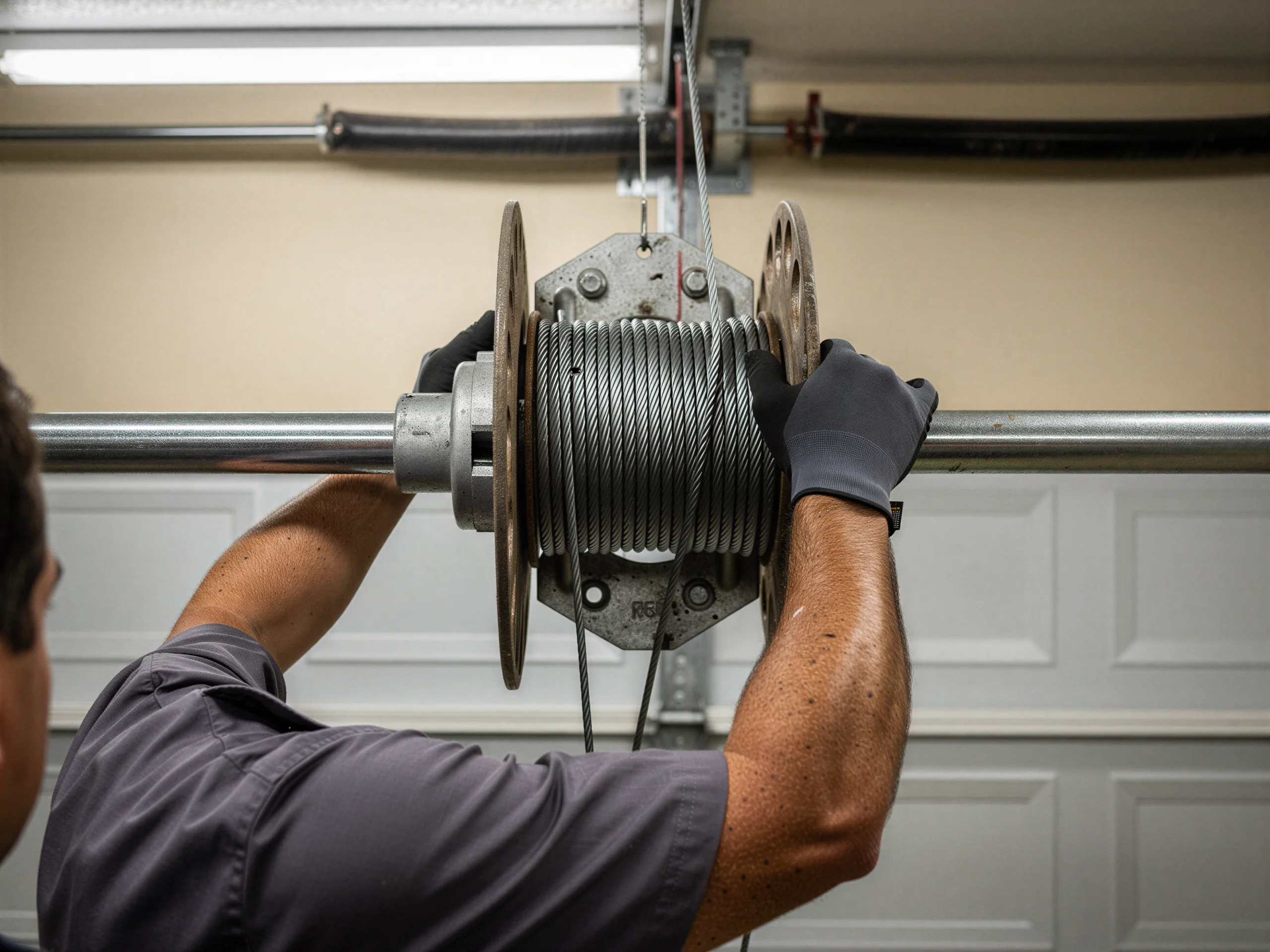
Compare that to a subdivision built in the 2000s and the calls are different - those houses are dealing with newer opener electronics, not forty-year-old steel. In Youngtown it's more often the spring, the cable drum, or a center bearing that's worn oval instead of round.
None of that is unusual for a house this age. It's just not the same repair list you'd write for a newer build three miles away, and that's the point - the fix has to match the door that's actually in front of us, not a generic checklist.
Door impact
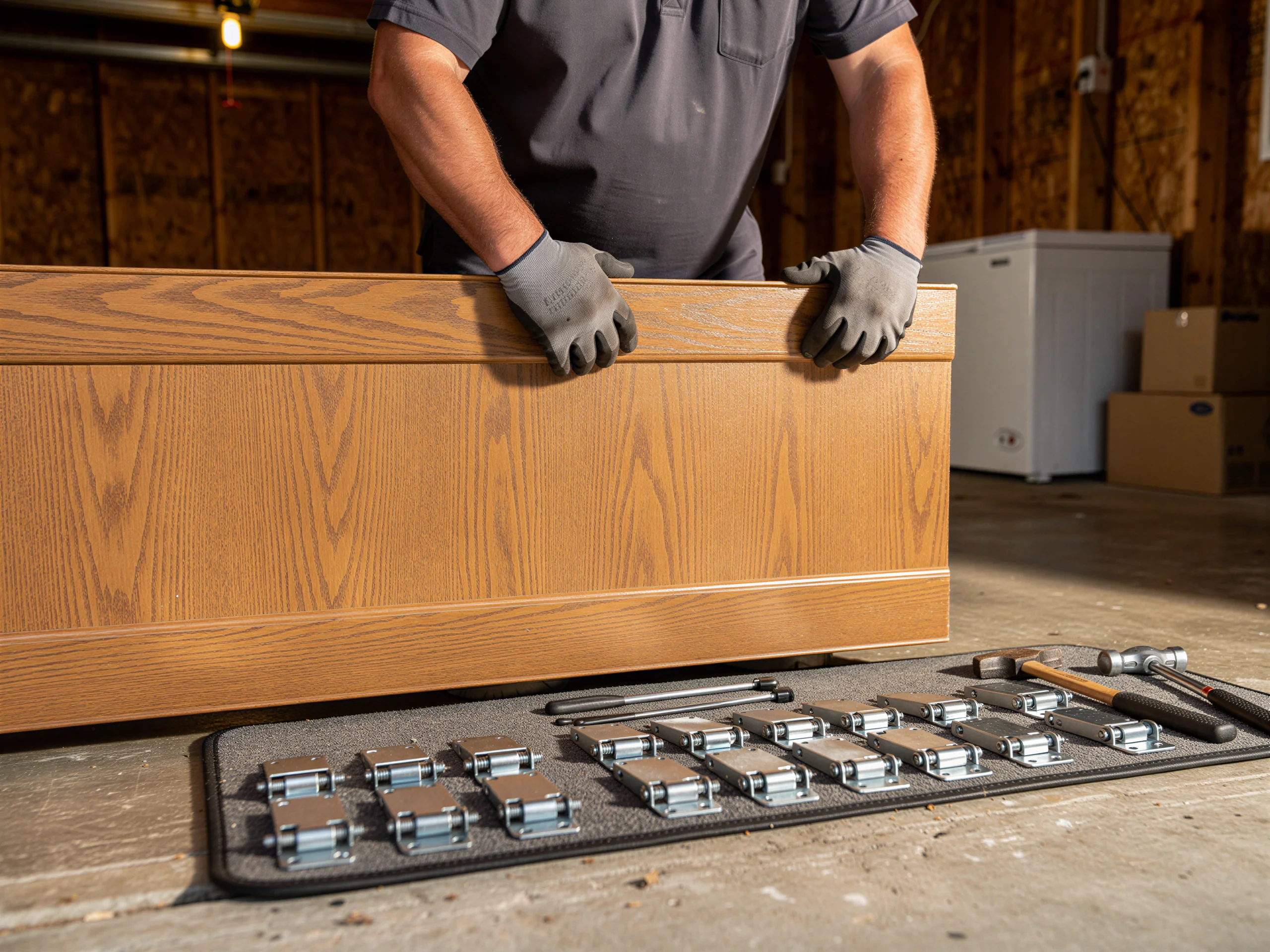
A door installed around 1979 was built to a different spec than one installed in 2005. Panel gauges were thinner, insulation (if there was any) was minimal, and the hardware - hinges, rollers, the drum and cable setup - was sized for that lighter panel. When a homeowner upgrades to a heavier insulated door later without upgrading the springs and opener bracket to match, the whole system is working against itself, and that's a common pattern we see on this end of the service area. The track runs older doors use also tend to be narrower gauge, which means less room for error when a roller starts to wear. We don't assume every Youngtown door is original - plenty have been replaced over the years - but when a spring fails here, it's worth checking whether the rest of the hardware is original 1979 stock before just swapping the spring and moving on. Replacing one part on a mismatched system usually means a second failure within a year.
Local housing
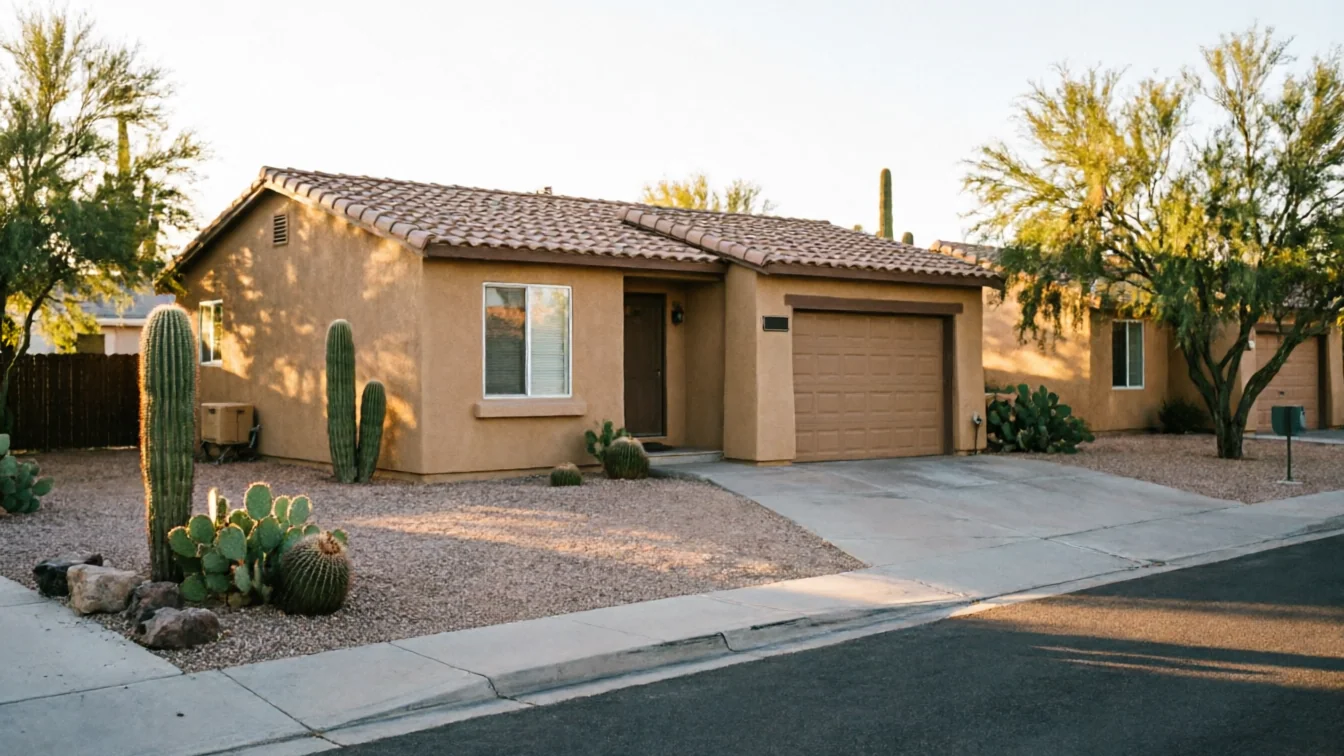
Youngtown has around 2,460 households, smaller than some of the newer master-planned areas nearby, and the housing reflects an earlier phase of growth in this part of the valley.
Median household income here runs about $68,472, which tracks with the rest of the area we cover and shapes how we talk about repair versus replace - we're not pushing a premium door onto a budget that doesn't call for it.
This part of the valley also sits in a severe-heat climate band, and heat is harder on older hardware than on new. Nylon rollers that have already done forty summers crack faster than ones installed five years ago, and opener logic boards from an earlier design generation don't handle repeated thermal cycling as well as current units.
None of that means replace everything - it means we check roller condition and opener board health as a matter of course on older Youngtown doors, not as an upsell.
Service areas
Questions
It's possible, though unlikely after this many years - most springs that old have already failed once and been replaced. If no one's touched it, a spring from 1979 is well past its expected cycle count and is a candidate for failure without warning. Worth having it checked rather than waiting for it to break with the door open.
No. We work out of Surprise, about 10 miles away, and drive out for every Youngtown call. There's no local depot here, so response isn't instant, but the job gets quoted and handled the same way as anywhere else on our route.
This part of the valley sits in a severe-heat climate band, and heat is harder on older opener circuit boards and on rubber or nylon parts that have already had years of wear. An opener that's marginal in winter often finally quits in July. It's not unique to any one brand - it's accumulated wear meeting peak temperature.
Depends on the rest of the hardware. If the track, drum, and rollers are original 1979-era parts and already worn, patching just the spring often means another failure within a year. We'll look at the whole system before recommending a fix, and sometimes the honest answer is that a full hardware update costs less over time than repeated single-part repairs.
Ready when you are
Surprise Garage Door Co repairs and installs garage doors, springs and openers in Surprise, AZ and the surrounding area.