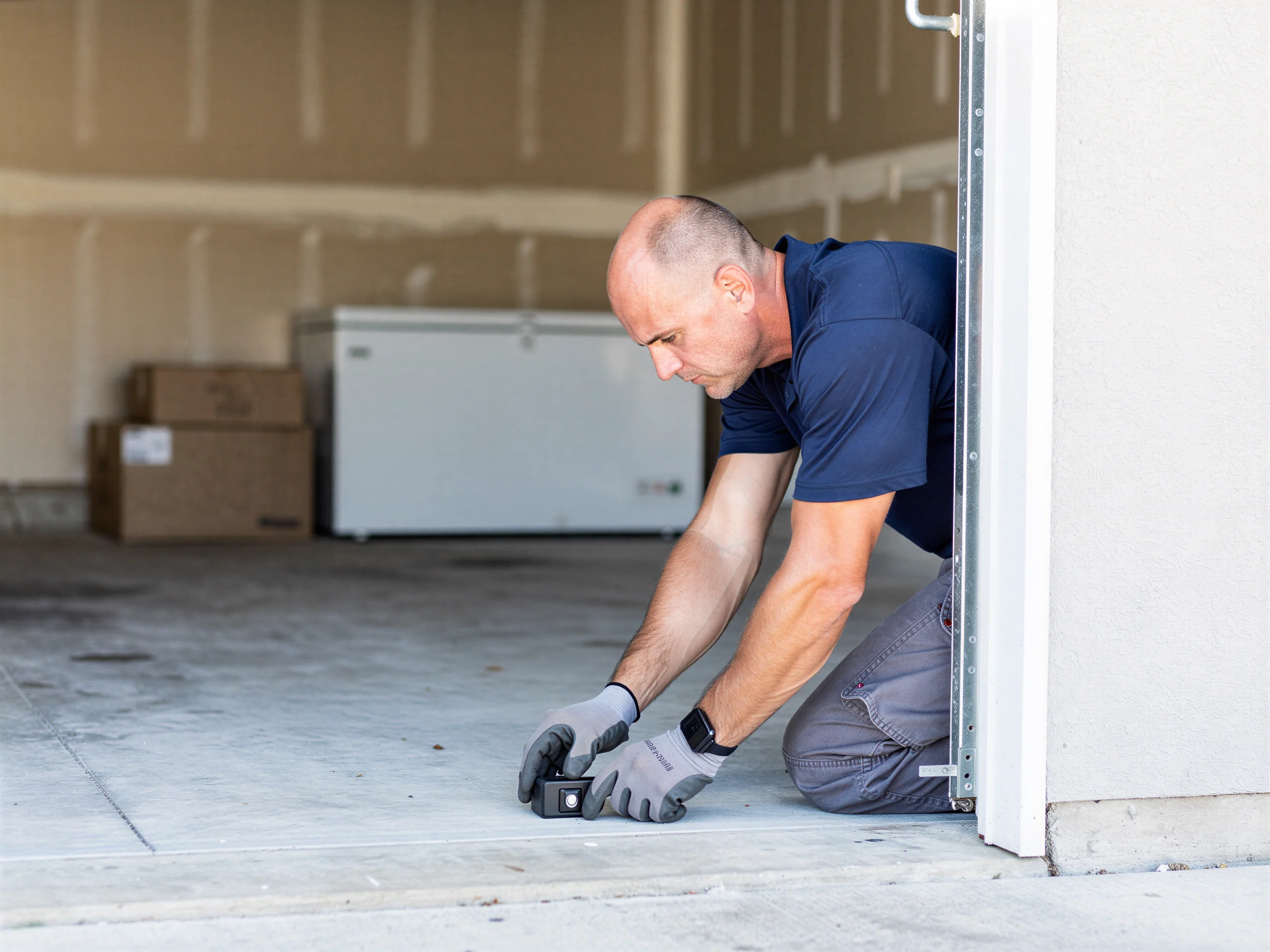
How We Fix It
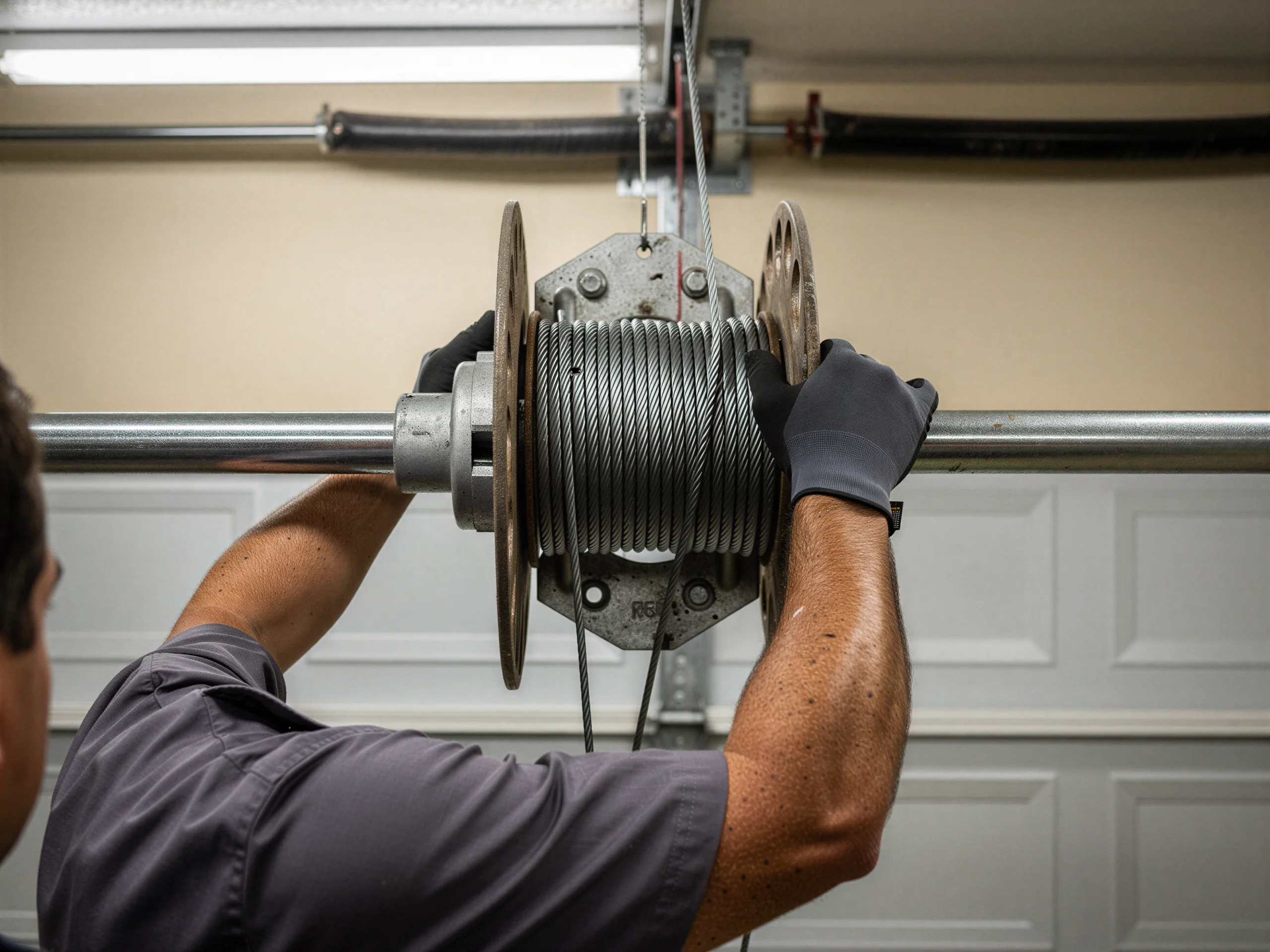
We diagnose by hardware type first, not by symptom. A door that won't open on a 1979-era house is far more likely to be a seized extension spring pulley or a stripped chain-drive gear than the torsion spring failure we see constantly in newer stock.
Parts for both systems
We carry parts for both systems on the truck because this corridor has such a mix. Where the opener is original or close to it, we'll tell you straight whether a part repair makes sense or whether the unit's run its course.
Chain drive board and sprocket
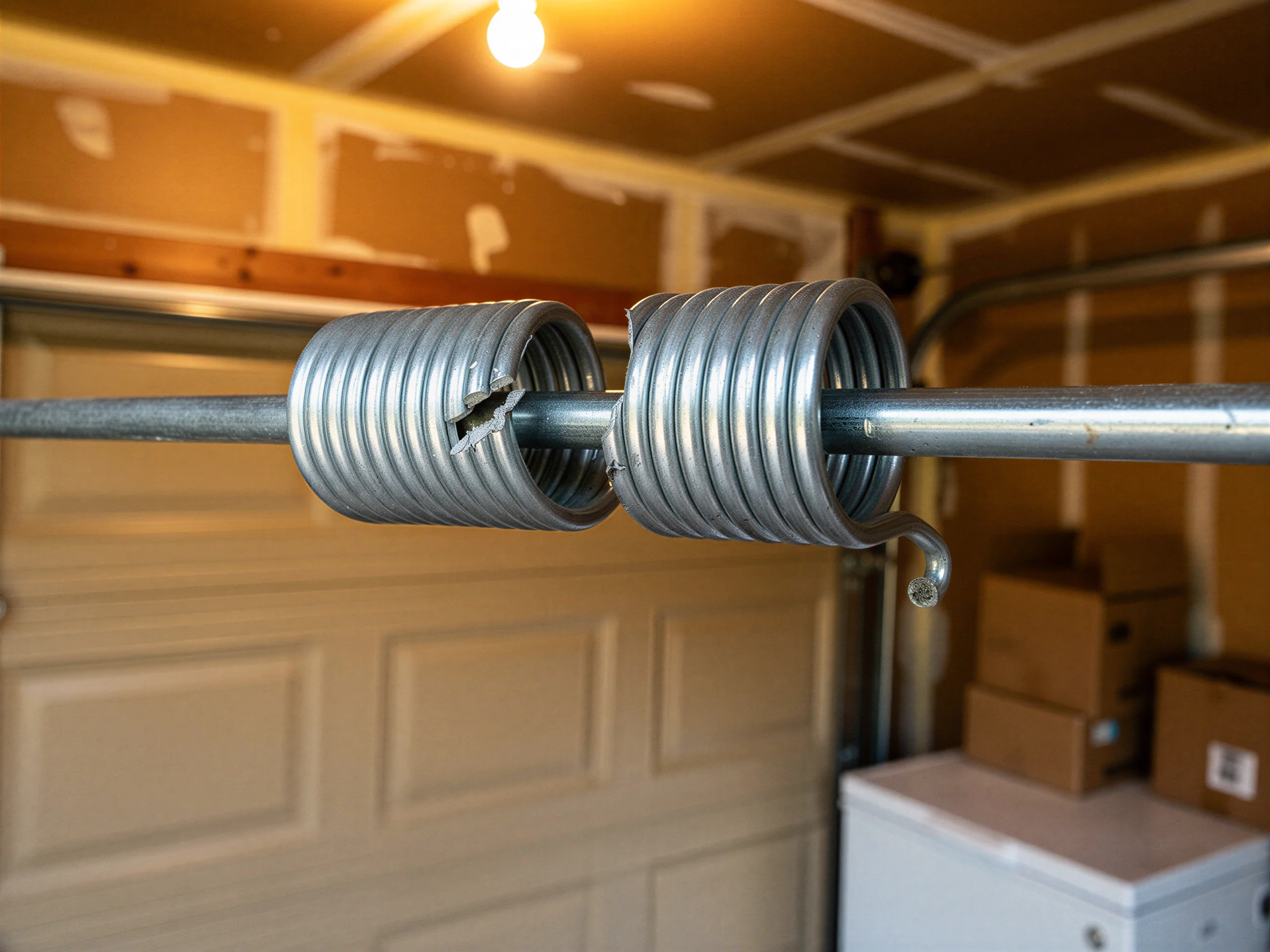
Chain-drive openers from this build era can often take a new logic board and sprocket and run another several years; sometimes the motor windings are gone and that's the end of it. We replace extension springs in matched pairs, same as torsion springs, because a mismatched pair just shifts the failure to the other side within a season.
Truck stock sets scope
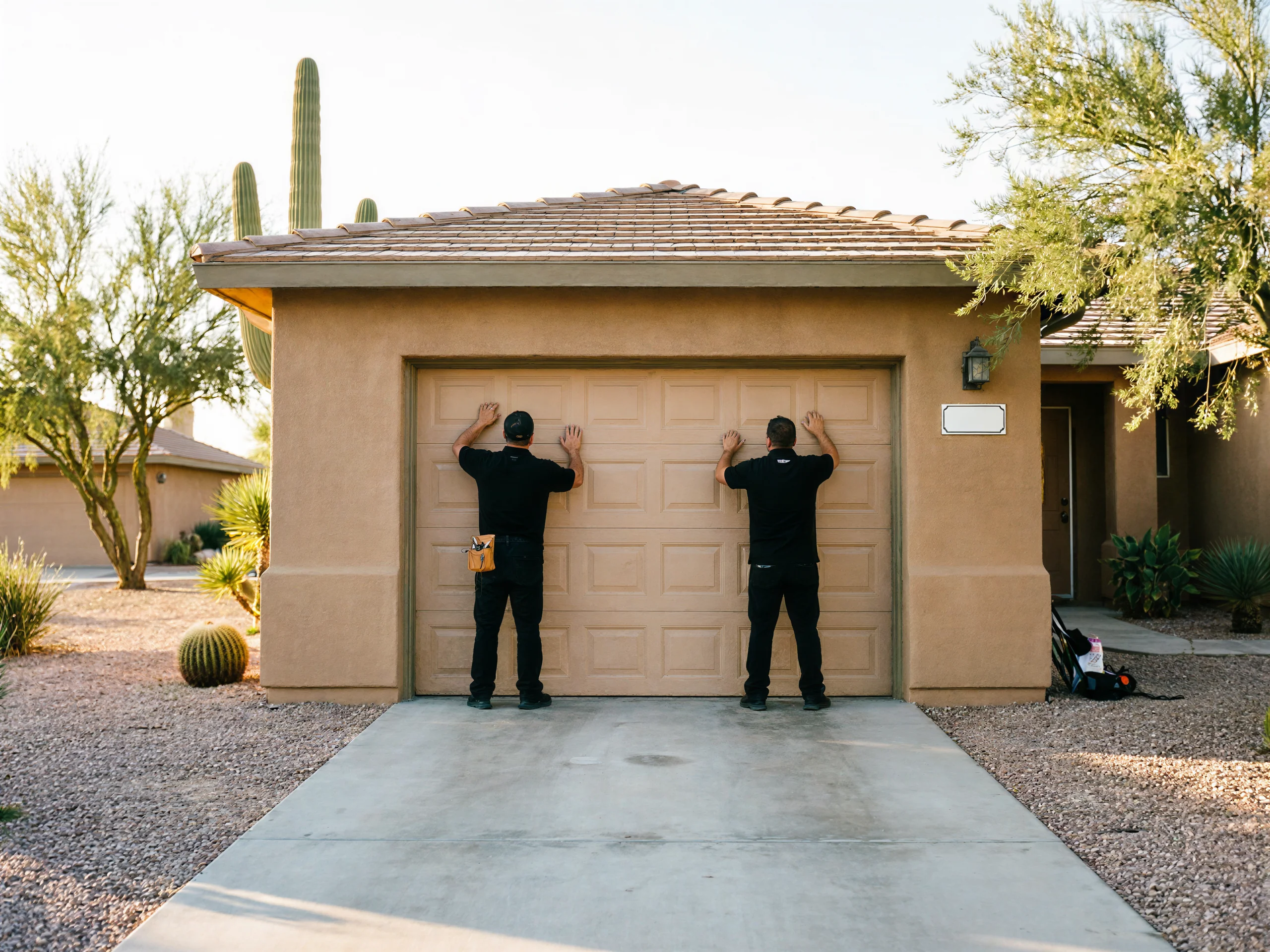
We come out from Surprise for every Youngtown call - there's no separate depot or stocked satellite here - so what's on the truck that day is what we have to work with. For anything outside common stock, we'll tell you the lead time up front rather than guess.
What Causes It Around Here
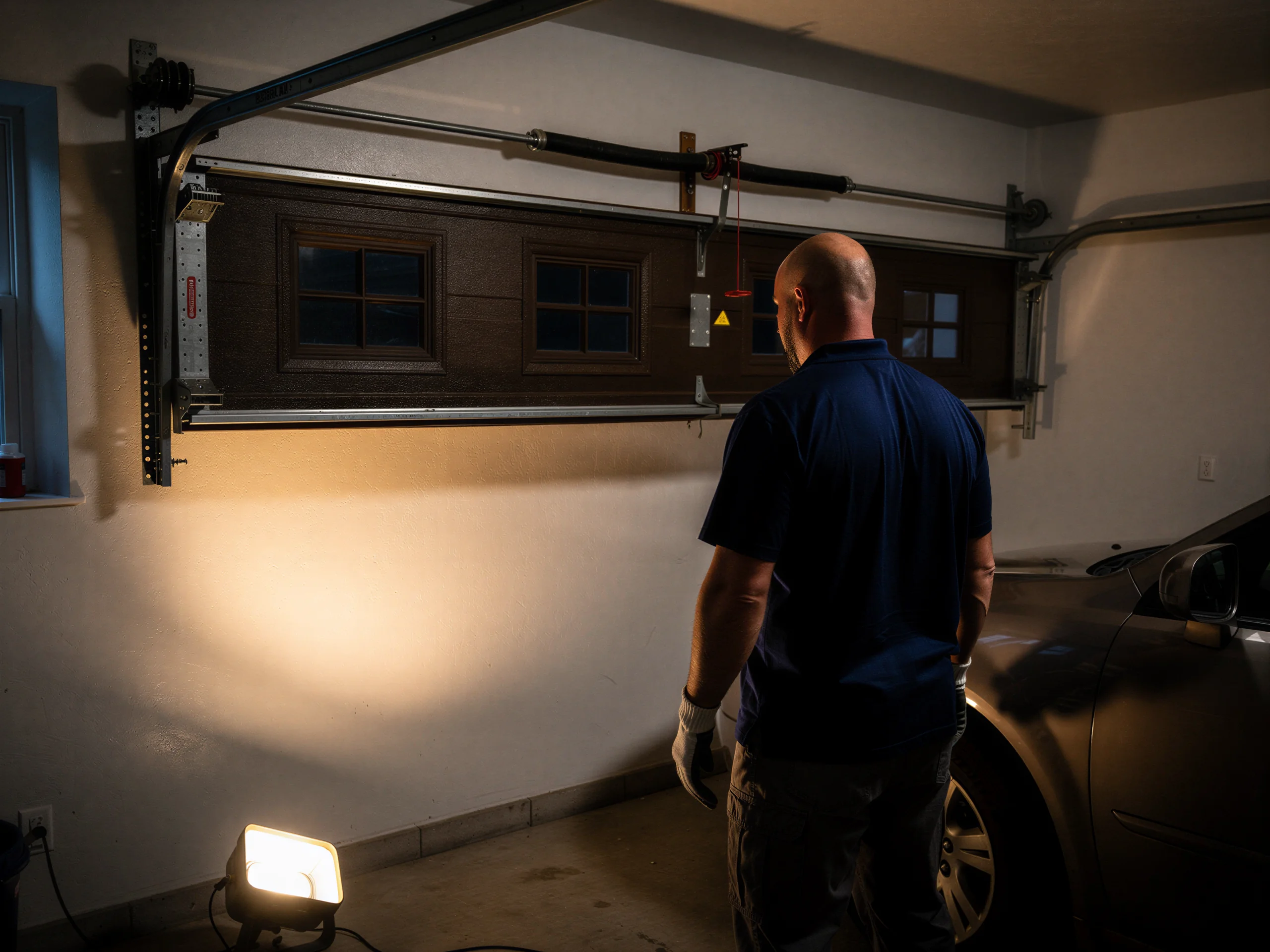
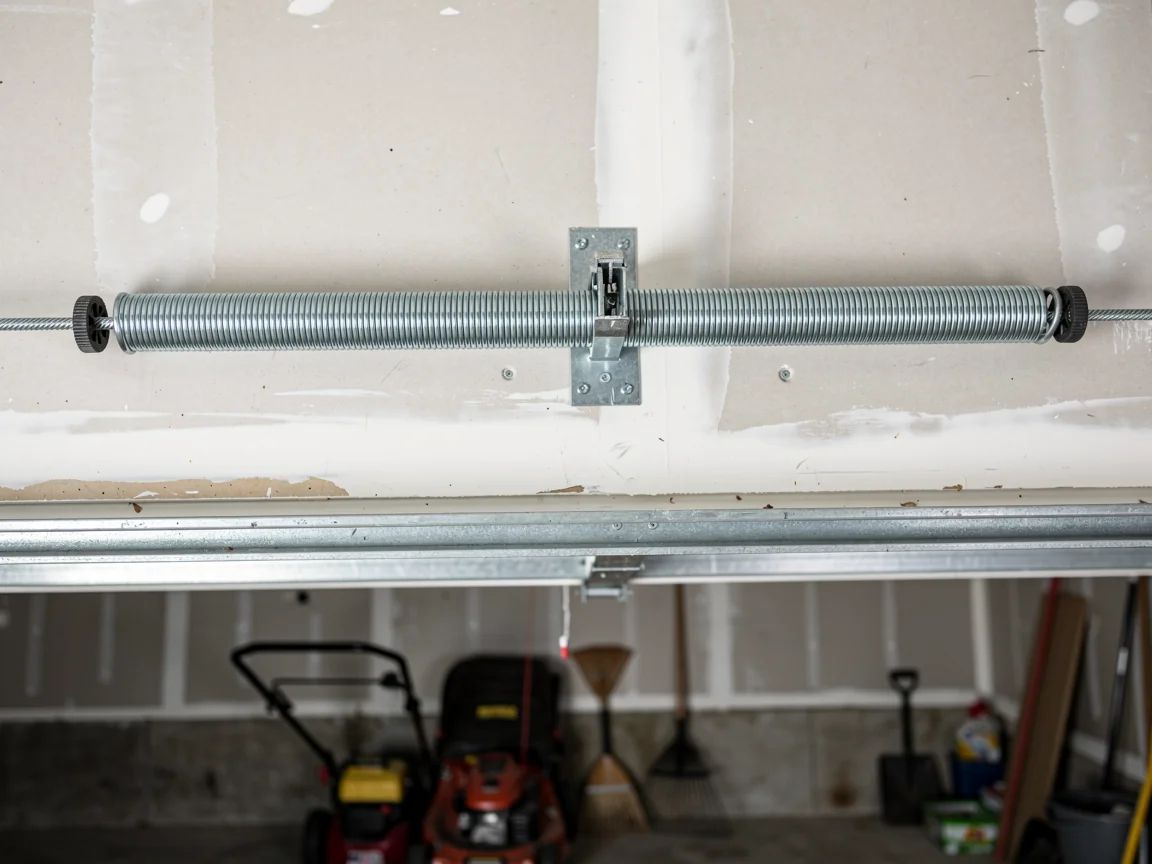
Youngtown's housing stock runs older than most of the territory we cover out of Surprise. The median build year here is 1979, a full two decades ahead of the 2001 median across the wider service area. That gap matters on a garage door call. Houses from that era were built with extension springs running along the horizontal tracks, not the torsion bar setups that became standard later, and a lot of the original chain-drive openers are still bolted to the same ceiling joist they went up on.
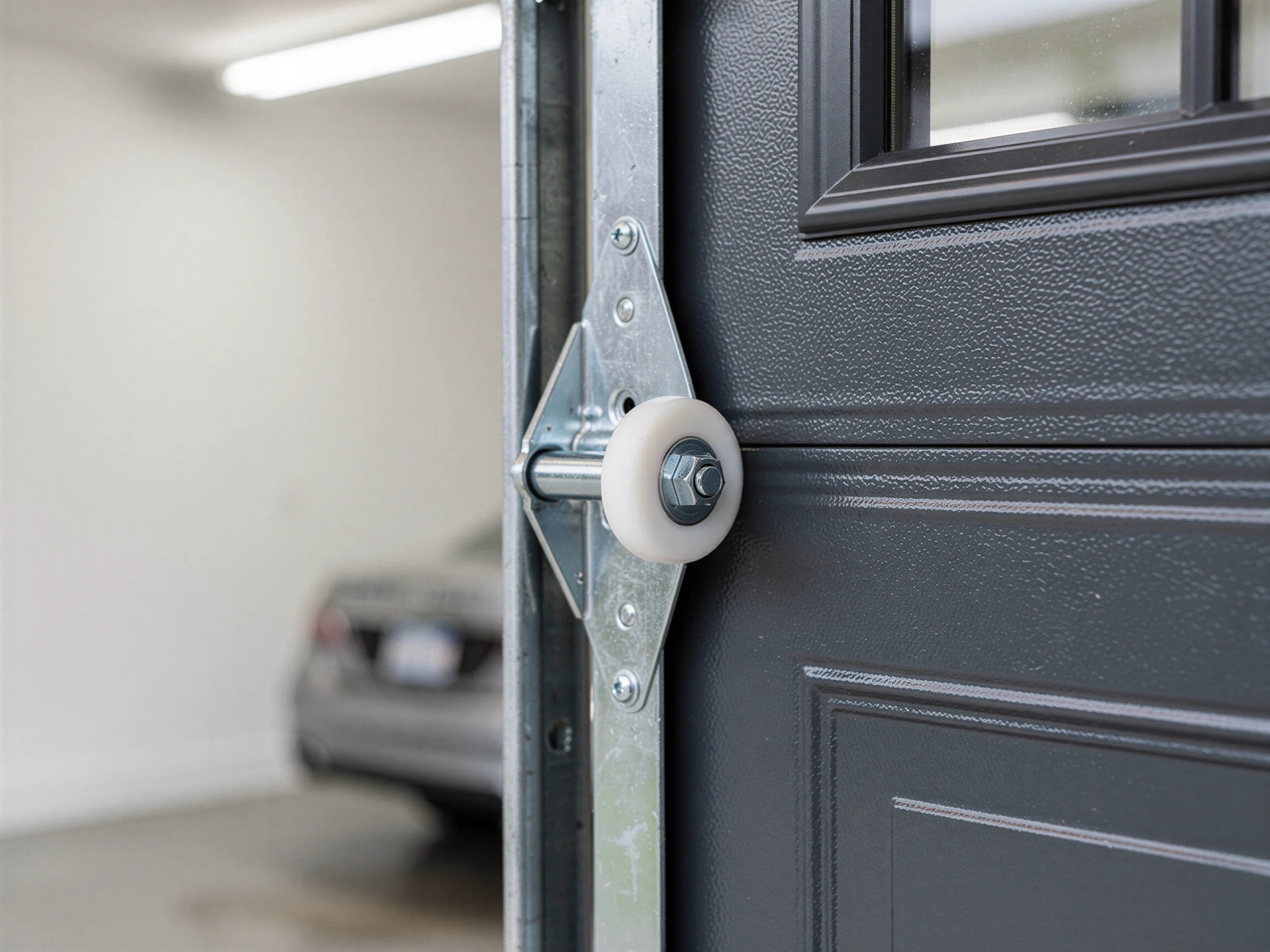
Add the heat. Summers here sit in the severe end of the band for this part of Arizona, and that kind of sustained heat does two things to older hardware: it dries out the lubricant in extension spring coils faster than people expect, and it stresses nylon rollers and plastic idler bearings until they crack. On a 1979 door that's never had the springs swapped, you're often looking at metal that's fatigued from four decades of expansion and contraction, not just one bad cycle.
That combination - older spring type, older opener, four more decades of heat cycling than the newer subdivisions see - is why a Youngtown service call often looks different from one ten minutes away in a 2000s-built pocket.
How Long It Takes
A straightforward spring replacement or opener repair on a Youngtown door usually runs within a normal same-visit window once we're on site - the diagnosis takes longer here than in newer stock because we're confirming hardware type before we touch anything, not because the repair itself is harder.
Parts availability extends jobs
What extends a job is parts availability. If the opener is old enough that a sprocket or logic board isn't something we carry standard, we'll say so at diagnosis and give you a real estimate rather than a guess.
Nonstock panels schedule later
Door panel replacement on an older frame can also take longer to schedule if a matching panel isn't a stock size. The drive itself - about 10 miles each way from Surprise - is factored into scheduling, not into the repair time.
Describe problem upfront
We don't maintain a branch in Youngtown, so every appointment here is built around that trip, which is part of why we ask for a clear description of the problem up front: it lets us load the right spring type and opener parts before we leave.
The Complications
The main complication in Youngtown is parts matching. A door from 1979 may have been serviced piecemeal over the decades - a newer roller here, a replacement cable there - so what's on the door when we arrive isn't always original equipment.
Measure before quoting springs
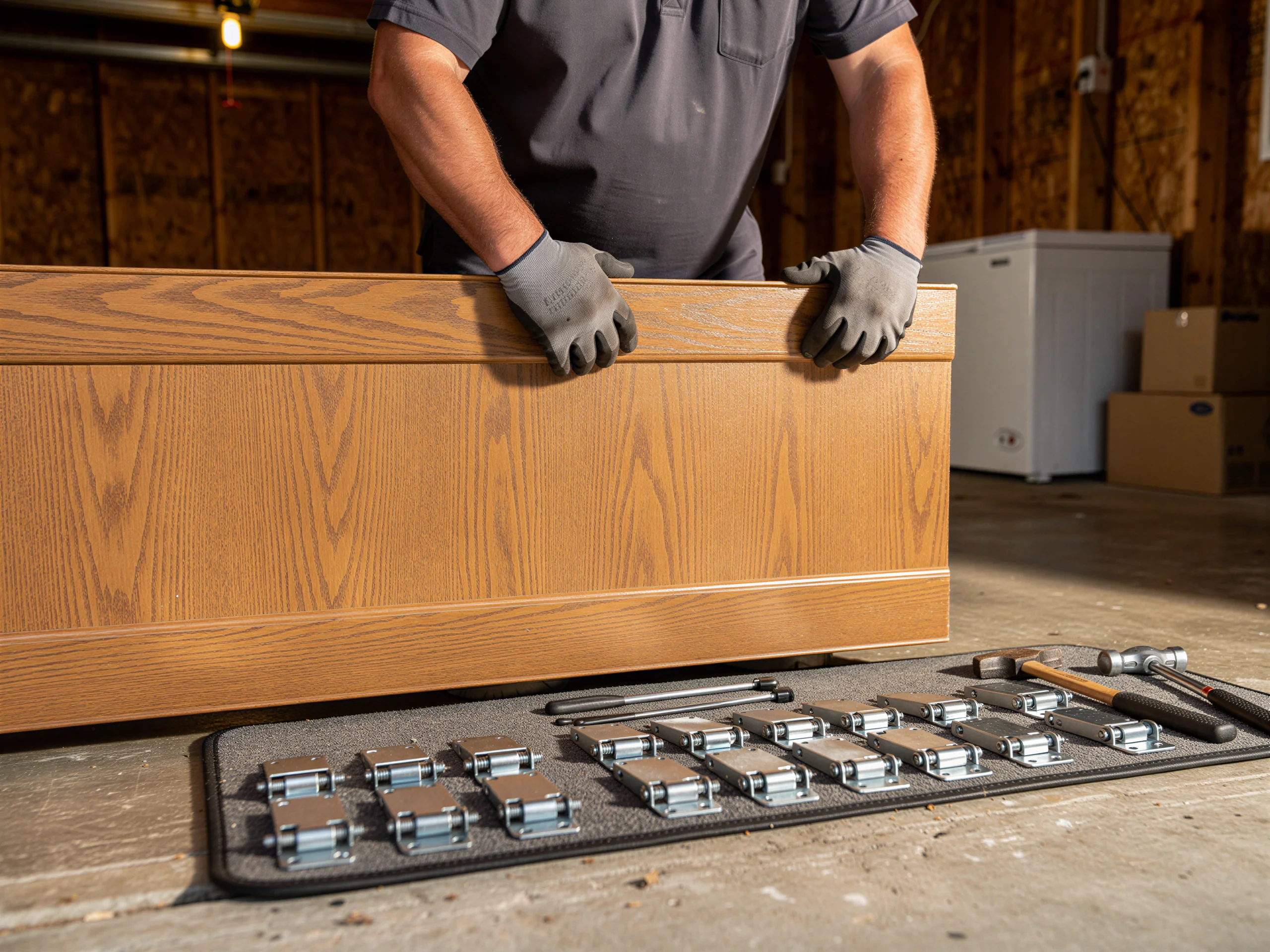
We check hinge spacing, drum size, and spring wire gauge before quoting, because guessing wrong on an extension spring order means a second trip. The second complication is scale. With 2,460 households in Youngtown, most of them in homes from this same build window, we see the same handful of failure patterns repeat: seized pulleys, cracked idler bearings, and chain-drive openers at or past their expected service life.
Scarce parts for oldest openers
That's useful for diagnosis but it also means replacement parts for some of the oldest openers aren't something every supplier stocks, and we'll tell you honestly if we're waiting on a part rather than padding a timeline.
Inventory limited to truck
We also don't stock a separate inventory in Youngtown itself. Every job here is a drive from Surprise, roughly 10 miles each way, so what's loaded on the truck that morning is what's available without a return trip.
The DIY Question
An extension spring under tension is not a safer DIY project than a torsion spring - if anything it's less forgiving, because the stretched coil can release energy unevenly if a mounting bracket is already weakened by rust or age.
Suspect brackets and tracks
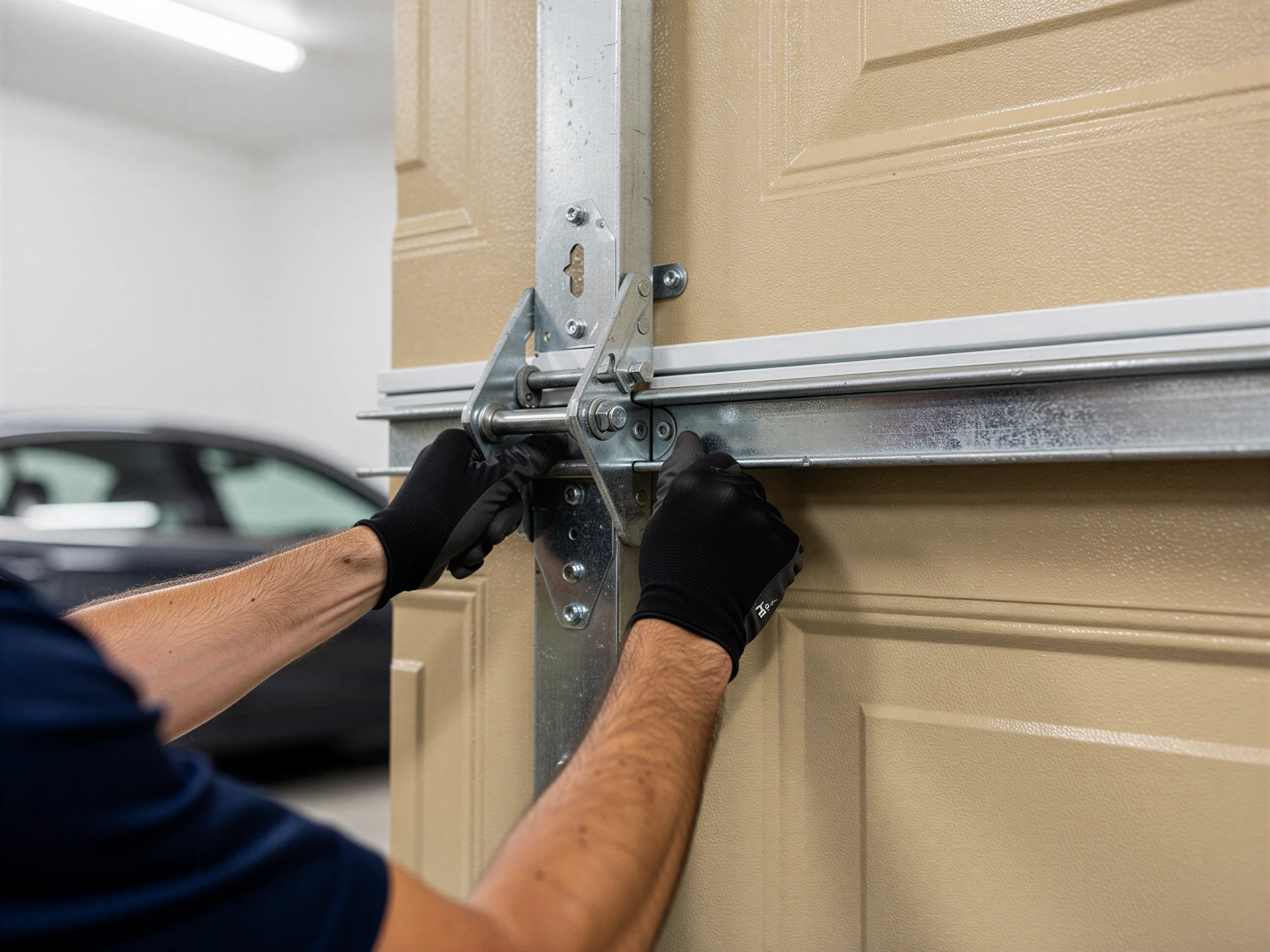
On a door this old, the bracket and the track are both suspect, not just the spring. Where a homeowner can reasonably step in: lubricating rollers and hinges, tightening loose hardware on the track, testing the photo-eye sensors, and clearing track debris. None of that involves the spring system.
Stop when door stuck
Where we'd tell you to stop and call: any job where the door is stuck partway, where a cable has slipped off a drum, or where the opener runs but the door doesn't move - that last one is often a stripped gear on an old chain-drive unit, and opening the housing without knowing what you're looking at risks the drive assembly further.
Generic spring guides fail
We won't talk anyone through a spring swap on a door built in this era. The margin for error is too thin and the parts are different enough from newer doors that generic online instructions don't always apply.
Talk to a local pro
Garage door service in Surprise?
Same-day service with honest, upfront quotes.