What Causes It Around Here
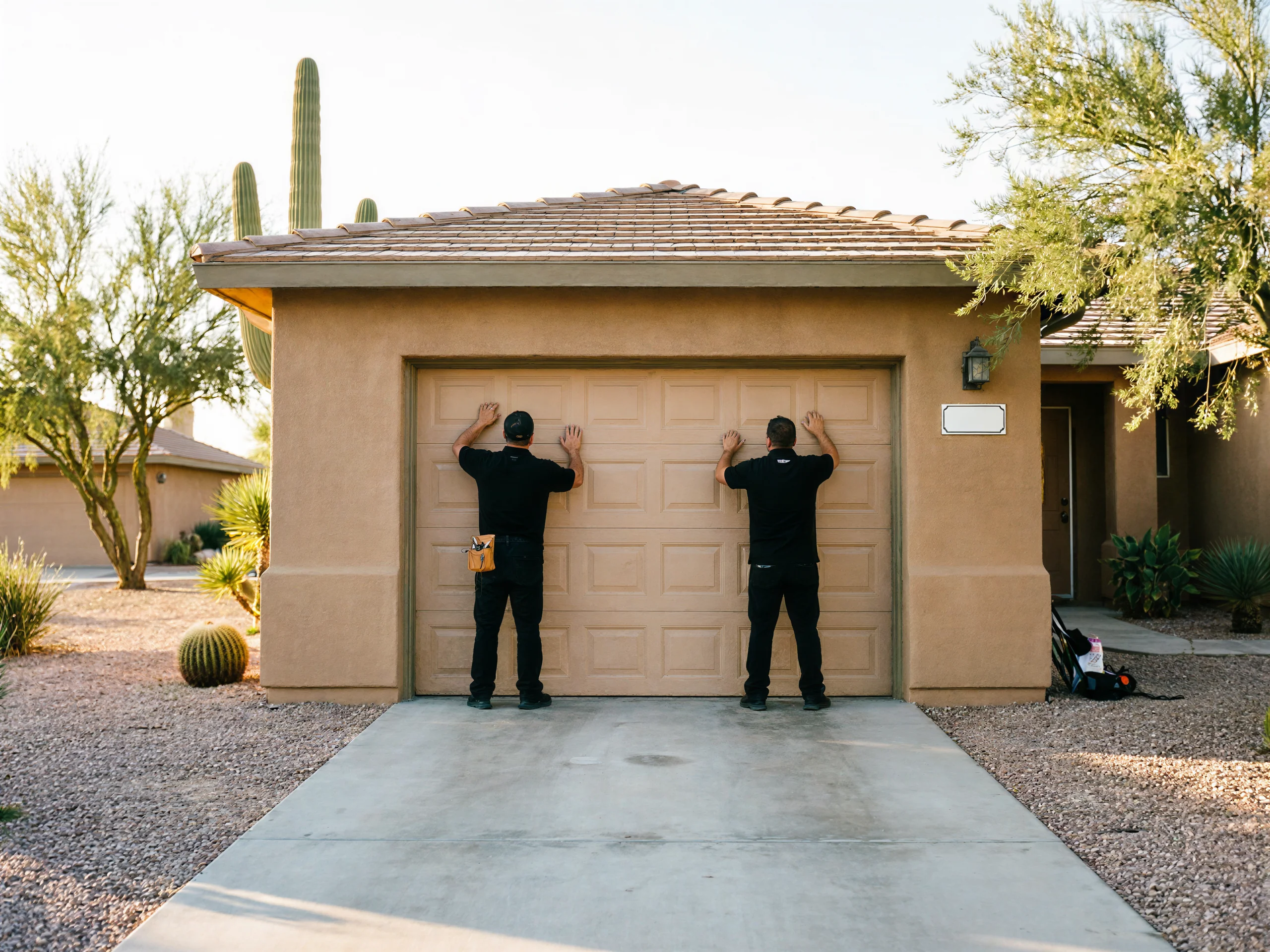
Surprise sits in a severe heat band, and that matters more for panels than people think. Steel and aluminum panels expand and contract through big daily temperature swings, and on a south- or west-facing door that cycle happens every single day for years. Builder-grade panels from the 1979-2005 construction era - which covers most of the housing stock here, with a lot of it concentrated right around 2001 - weren't built with heavy-gauge steel or deep insulation, so the seams and foam backing take that stress hardest. Over time the foam core can separate from the skin, which is what lets a dent stay dented instead of popping back. Add in direct sun fading one panel differently from its neighbors and you get doors where a single section looks and performs worse than the rest, even though nothing ever hit it. It's less about one event and more about twenty years of heat cycling on a door that was built to a price point, not to last forever in this climate.
The Symptom
You notice it from the driveway before you notice it up close: one panel sits a little proud of the others, or it's bowed out at the bottom like someone leaned a truck against it.
Cracks and binding dents
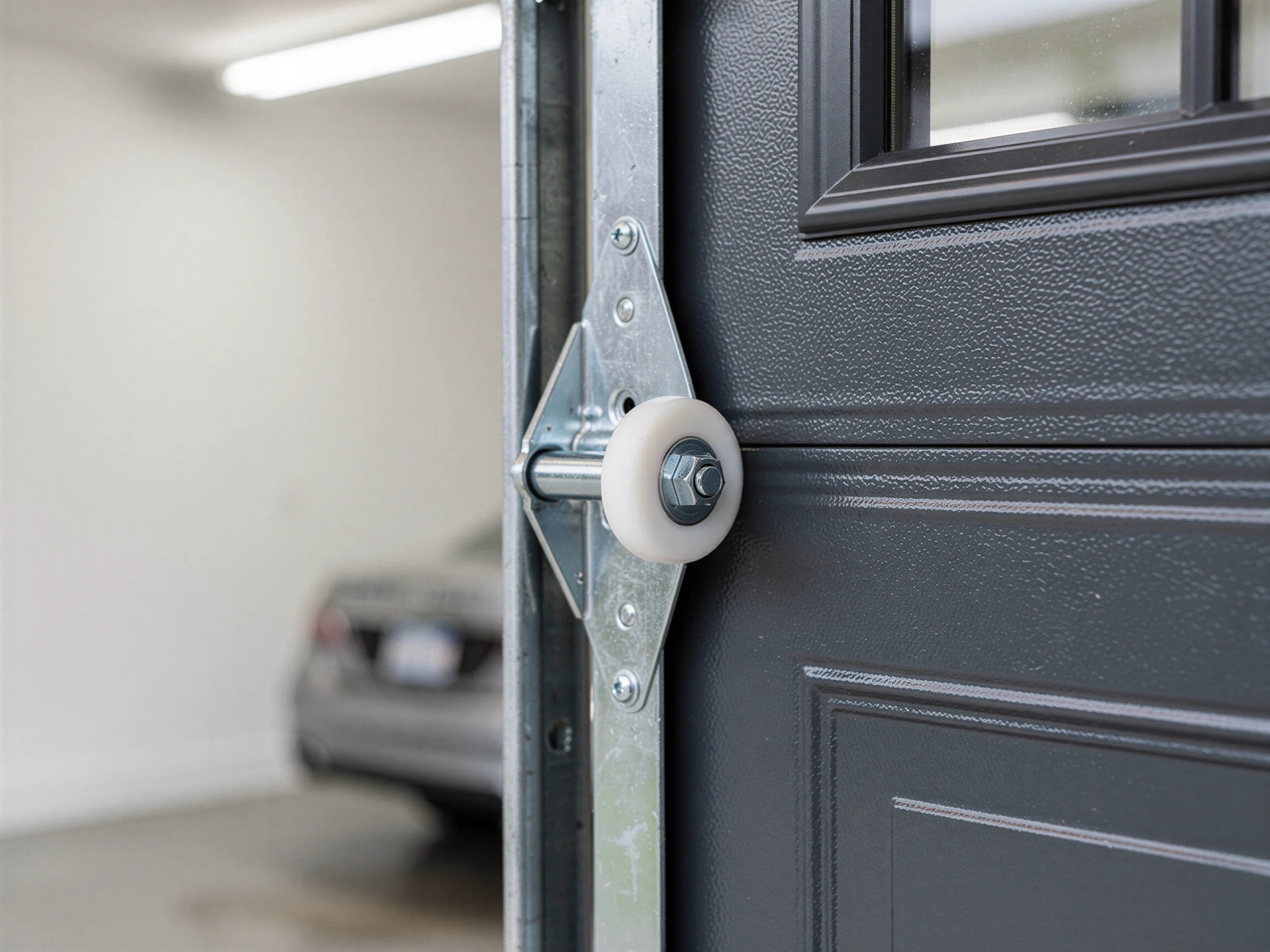
Sometimes it's a crack running along a seam, sometimes a dent deep enough that the roller track binds when the door cycles. On a lot of Surprise doors, the trouble panel is the bottom one or whichever section faces west and takes the afternoon sun hardest.
Shuddering and reversing door
The door still runs, mostly, but it shudders going up, or the opener strains and reverses partway through the cycle because the bent section is dragging on the track. A lot of owners wait on this because the door still closes.
Panel stress spreads outward
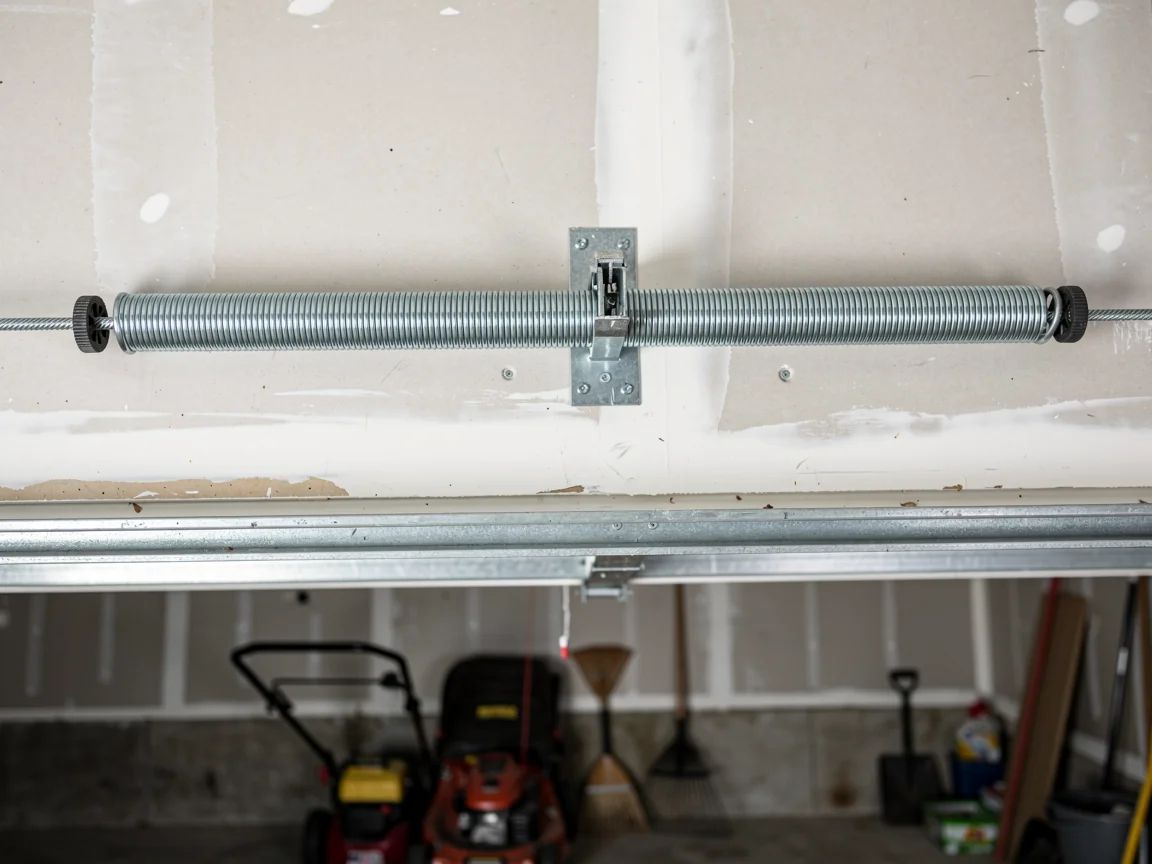
The problem is a warped or cracked panel keeps stressing the rest of the door - rollers wear faster, hinges loosen, and eventually the opener takes the hit. We get calls on this after the shudder has been going on for months, and by then the fix is bigger than it had to be.
How We Fix It
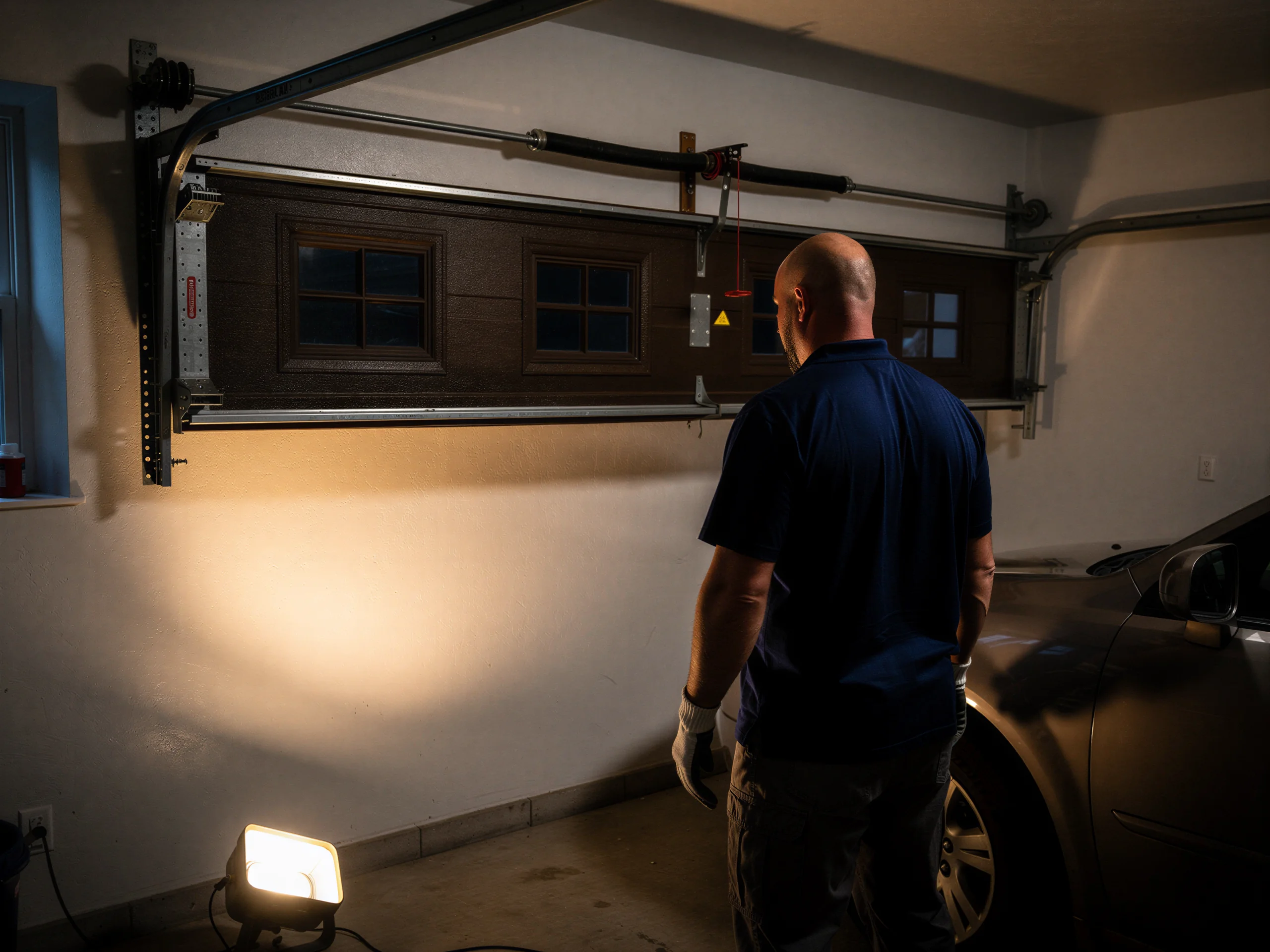
First we find out if your door's panel is still made - a lot of Surprise garage doors date from the 1979-2005 building boom, and across the seven named subdivisions in this area that stock skews heavily toward 2000s-built developer doors.
Order matching panel
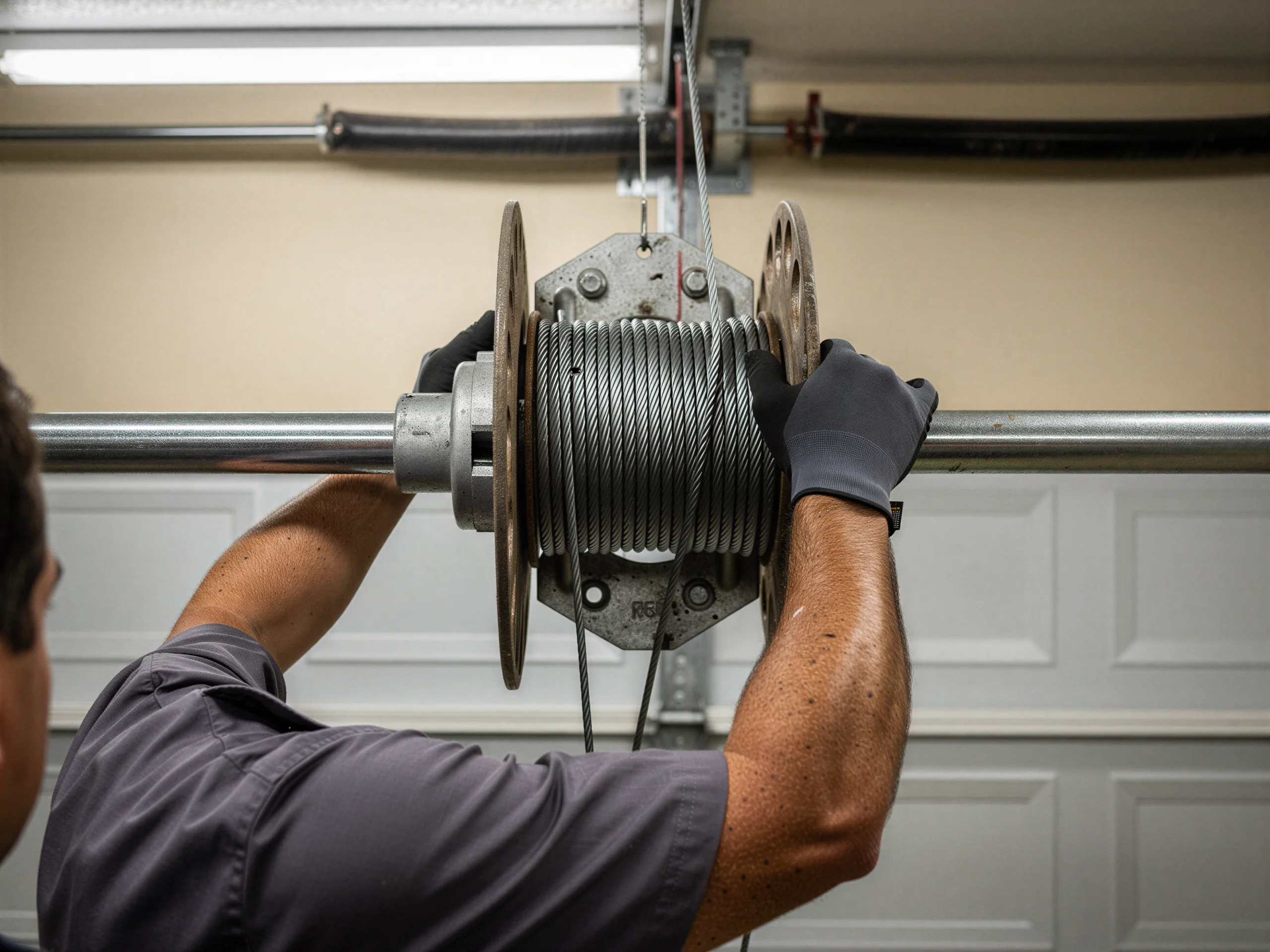
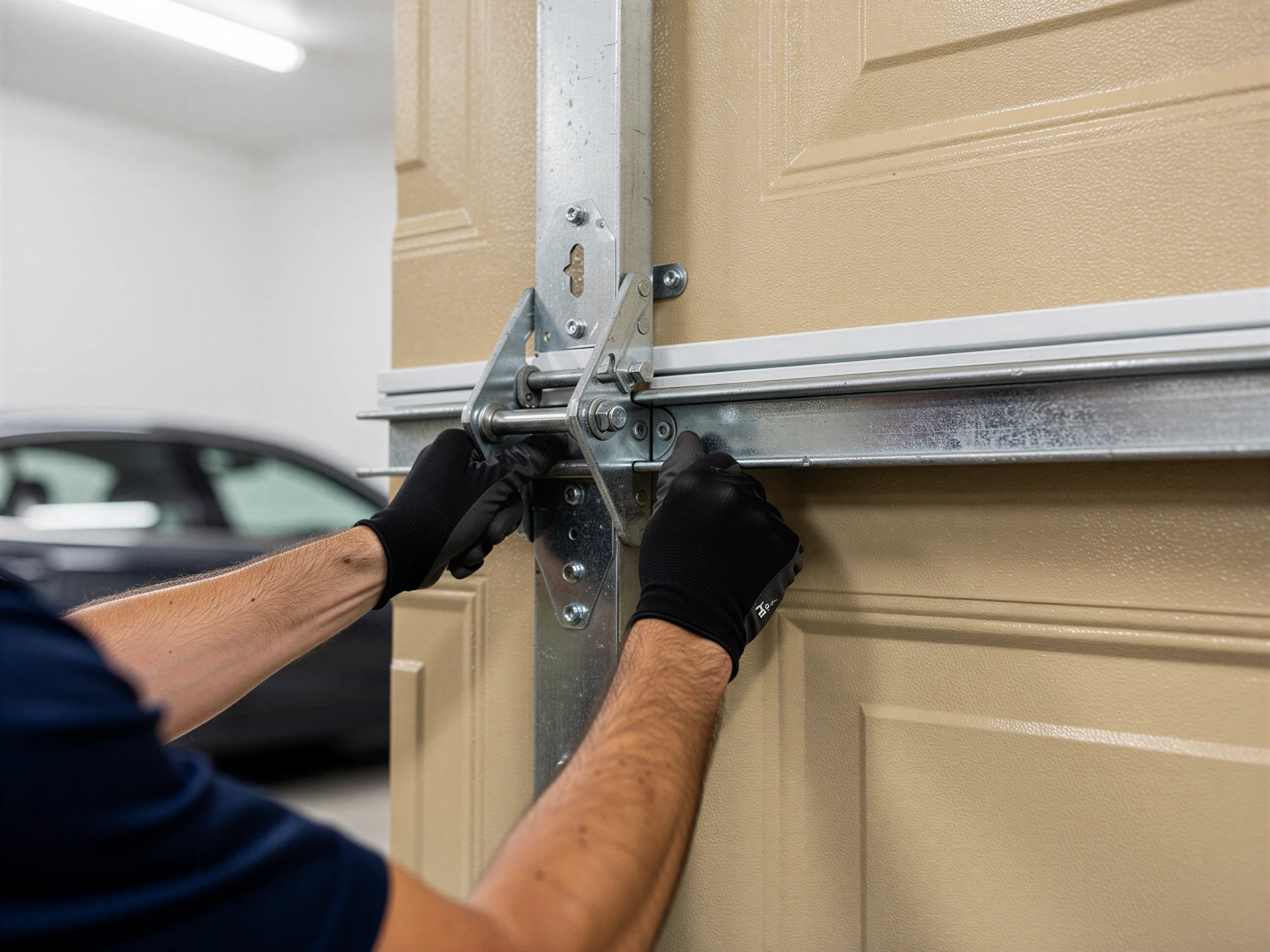
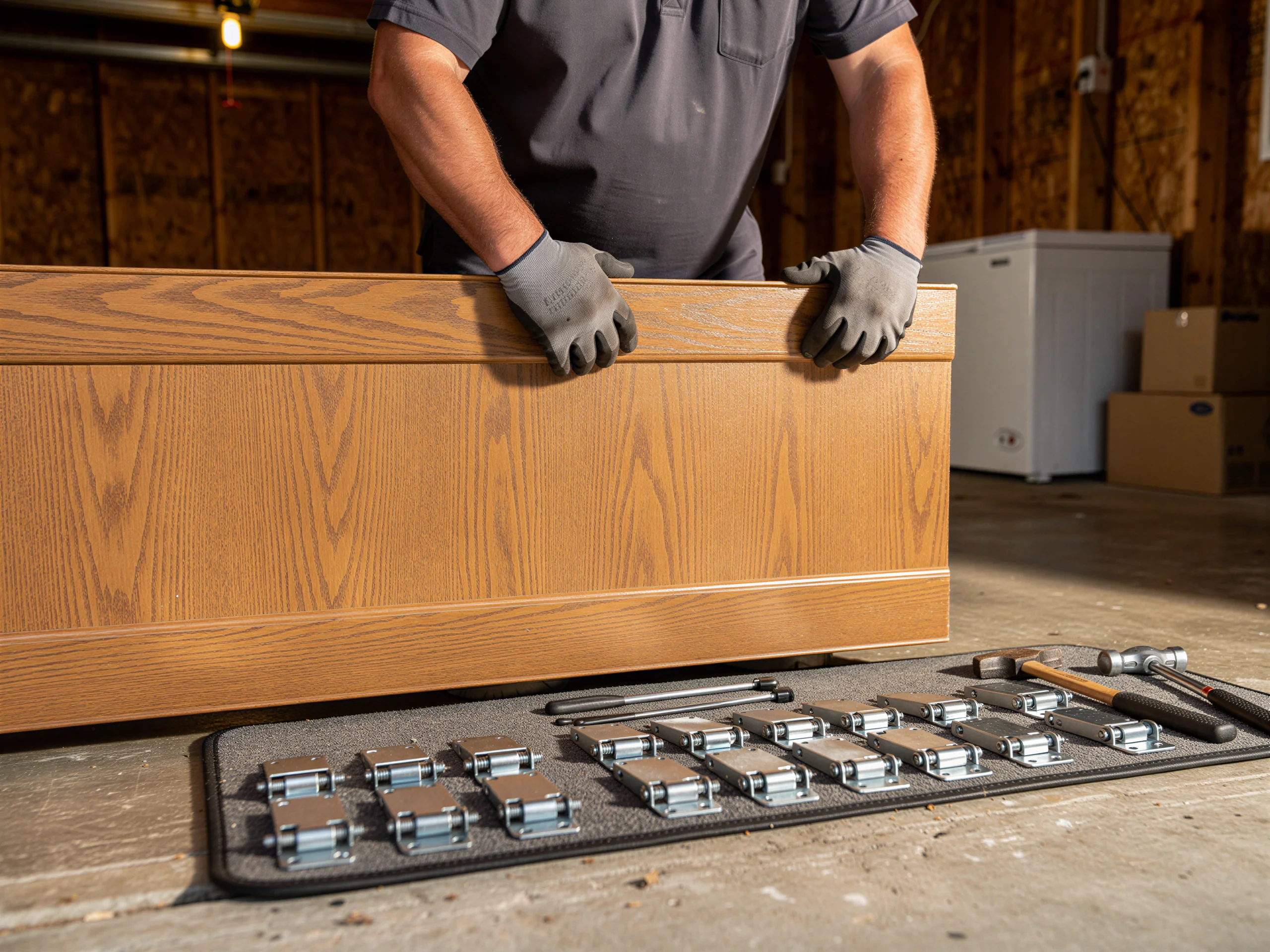
If the manufacturer still runs that profile, we order a matching panel, pull the damaged section, and swap it in without touching the rest of the door - same springs, same opener, same track.
Discontinued profile warning
If the model's discontinued, which happens more than people expect on doors pushing twenty-plus years old, we're honest about it: a non-matching panel looks wrong and we'll tell you so before we order anything.
Honest cost comparison
In that case the choice is a full door replacement, and we'll walk you through that cost against a patch job that won't match. We don't pad a quote with work the door doesn't need - if one panel and a roller is the whole job, that's the invoice.
How Long It Takes
A straight panel swap on a door where the part is still in production is usually a same-visit job once the panel's in hand - an hour or so of actual work. The variable is the panel itself. If it's a current builder-grade profile we may have it on the truck or can get it within a day or two. Older or less common designs sometimes mean a longer wait on the part, and we'll give you a real number once we've identified the door, not a guess to get the call booked. We won't promise a turnaround we can't back up, and if a part's on backorder we'd rather tell you upfront than have you waiting on a van that isn't coming.
Talk to a local pro
Garage door service in Surprise?
Same-day service with honest, upfront quotes.