What Causes It Around Here
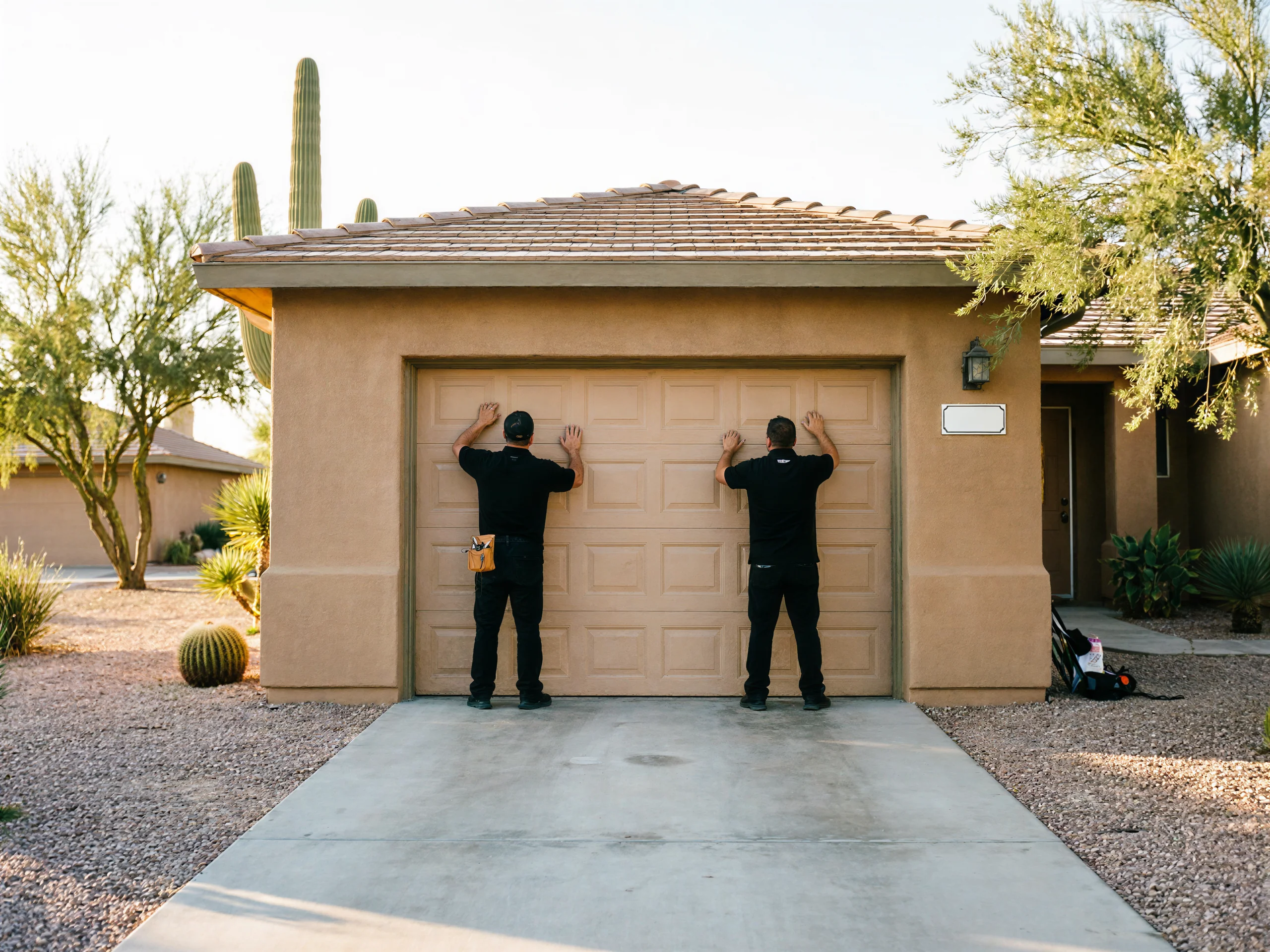
Housing in this part of Surprise mostly went up between 1979 and 2005, with the bulk of it dating to the 2000s. Builder-grade steel doors from that window weren't spec'd for decades of severe summer heat - they were spec'd to meet code and move units. Surprise sits in a severe-heat climate band, and that heat does two things to an older door: it expands and contracts the steel skin daily, which fatigues the panel seams and loosens the foam backing over years, and it bakes the garage interior, especially on west-facing doors that catch full afternoon sun.
A garage that runs hot also runs the opener harder - the motor and the door's own weight distribution shift slightly as panels warp, so the opener compensates, which shortens its life too. None of that shows up in year one or two. It shows up around the fifteen-to-twenty-year mark, which is exactly where most of the original doors in this area's 2000s-built tracts are sitting right now. New doors with better insulation and matched hardware don't eliminate the heat, but they stop it from doing the same slow damage to the door itself.
The Symptom
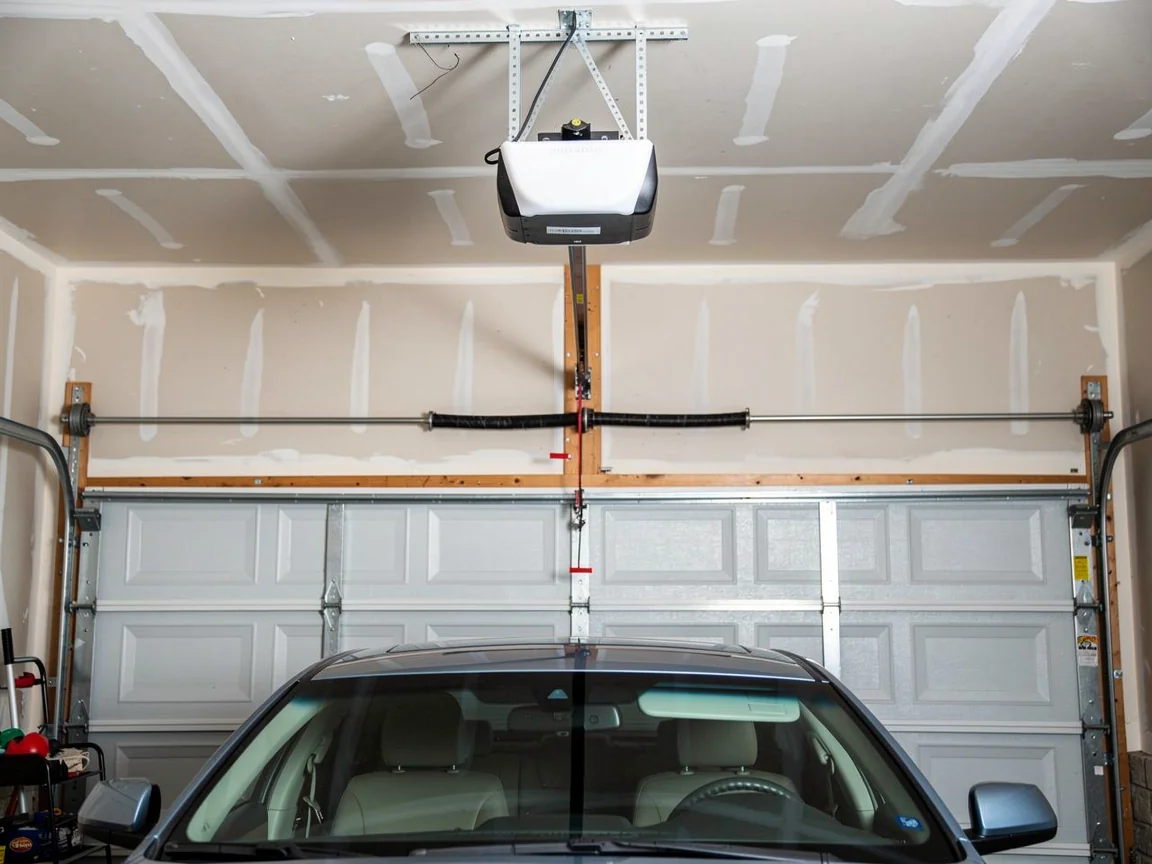
The door still opens, but it's working harder than it used to. It feels heavier off the track, the opener strains and sometimes reverses halfway up, and the bottom panel doesn't sit flush against the slab the way it did when the house was new.
Crumbling foam insulation
Pop the inspection panel off an original door around here and you'll often find the foam backing crumbled or pulling away from the steel skin. That's not neglect - it's age meeting climate. Most of the garage doors we're asked to replace in Surprise aren't broken in any single dramatic way. They're just done.
Oval rollers and bowing
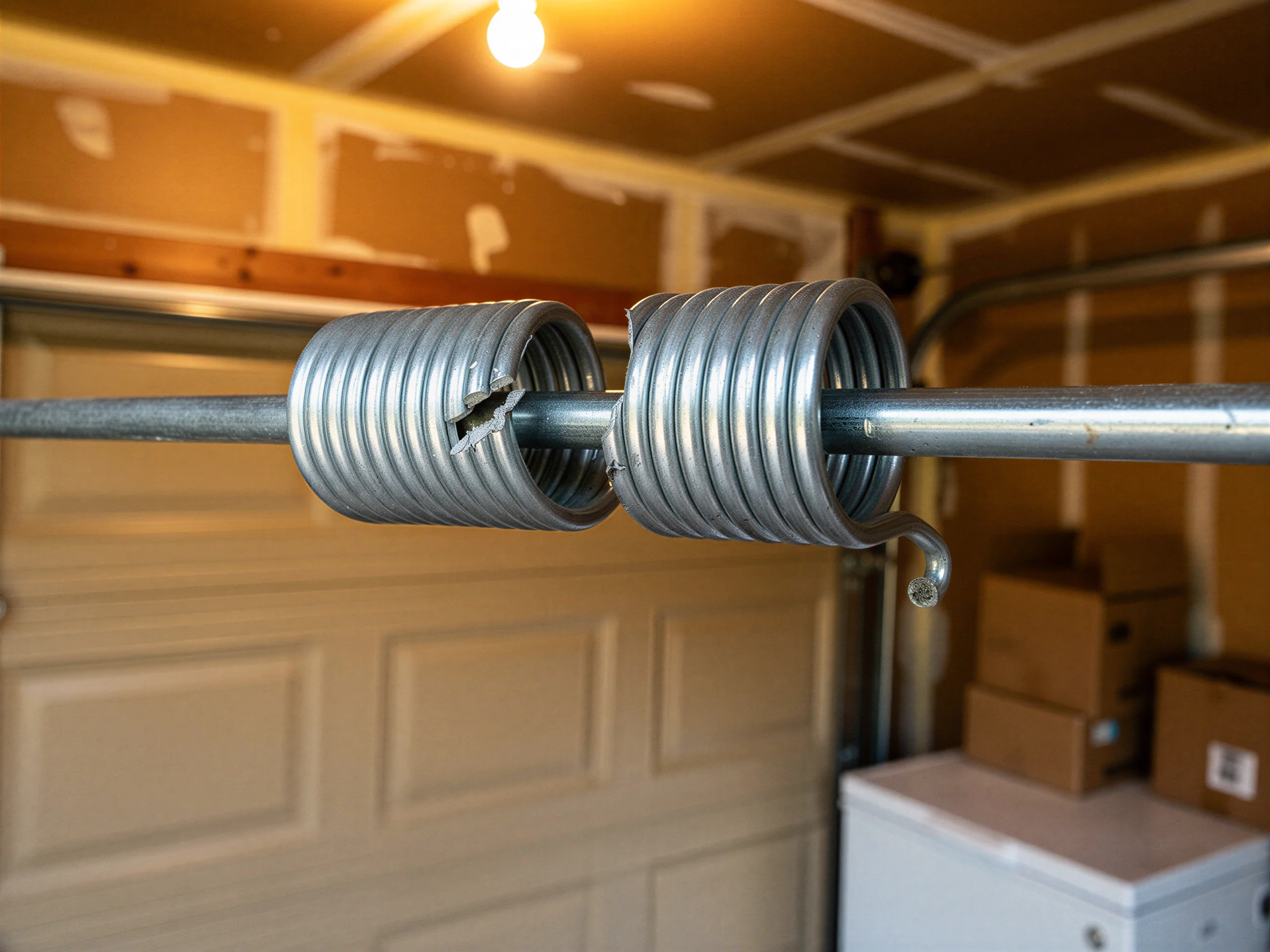
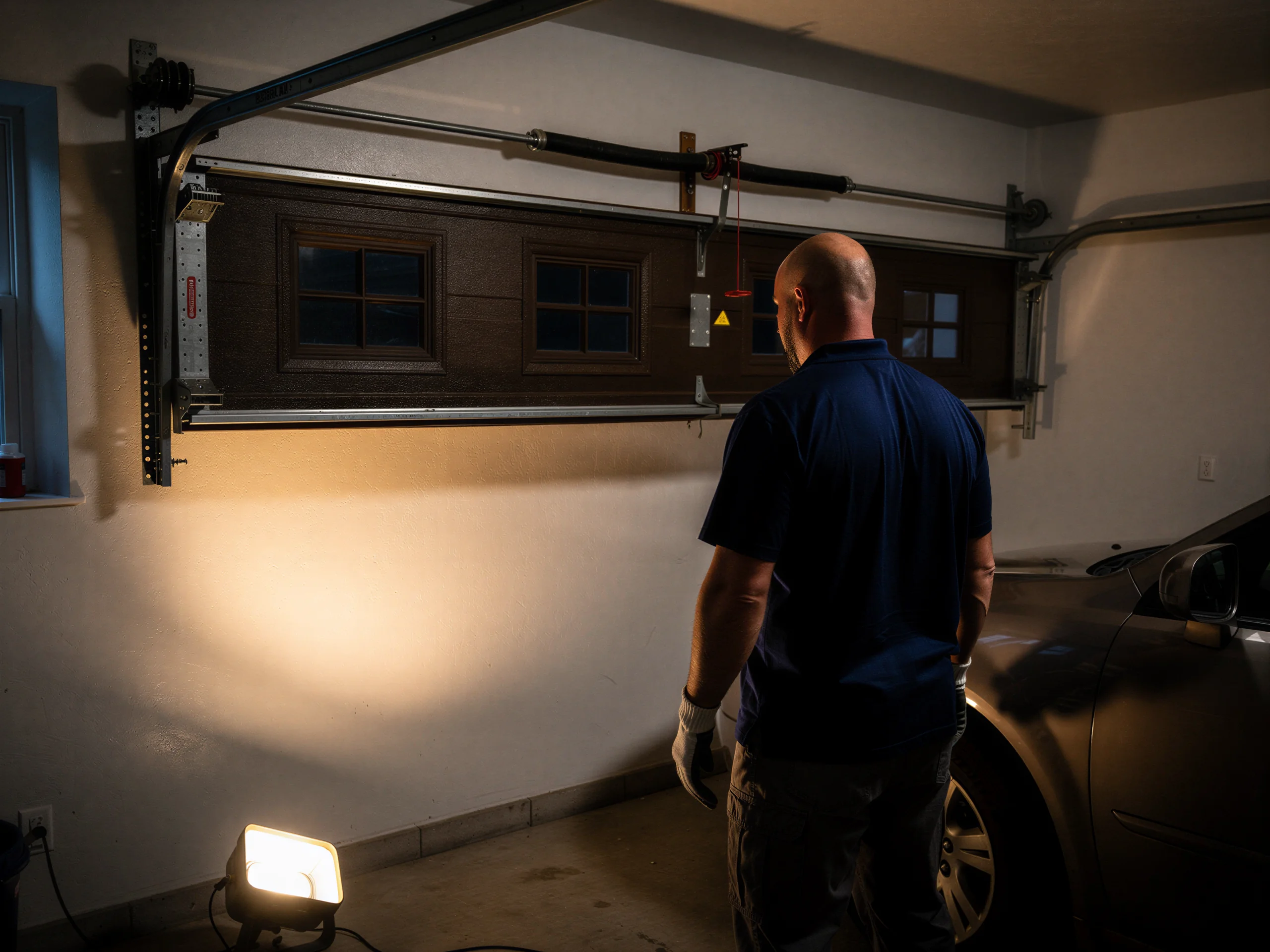
The springs are original, the rollers are worn oval instead of round, and the panels have taken enough sun and heat cycling that they've started to bow slightly in the middle. Owners usually notice it as a temperature problem before they notice it as a door problem - the garage runs noticeably hotter than the rest of the house, and anything stored against the back wall or the shared wall with the house feels it.
Near end of life
If your door is original to a house built in the late 1990s through the mid-2000s, which covers a lot of this area's housing stock, the symptoms above are close to the end of that door's useful life, not a one-time glitch.
How We Fix It
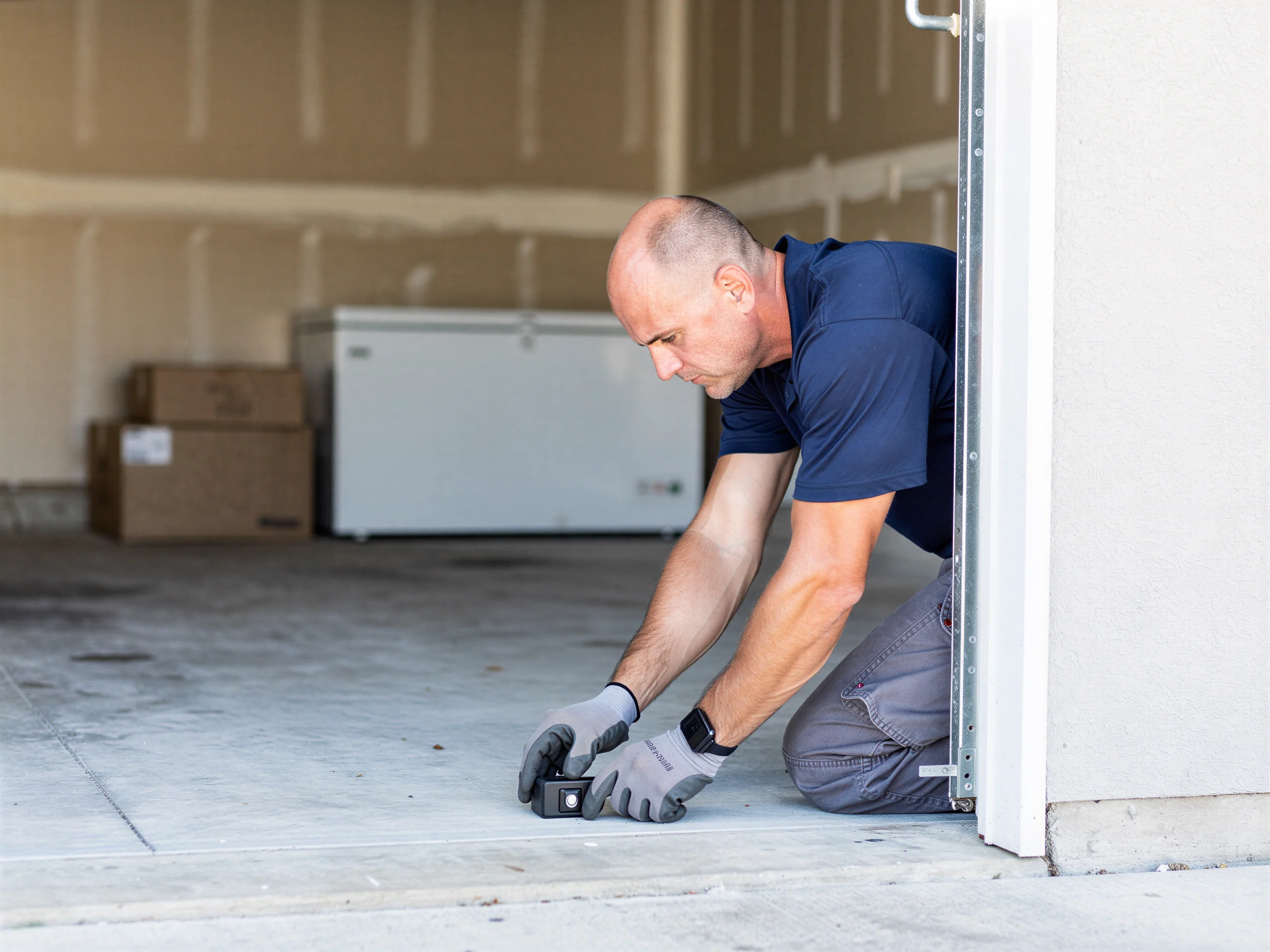
We start by measuring the actual opening rather than trusting the old door's dimensions, since header and track mounting can shift slightly over twenty-plus years.
Thicker insulated panels spec
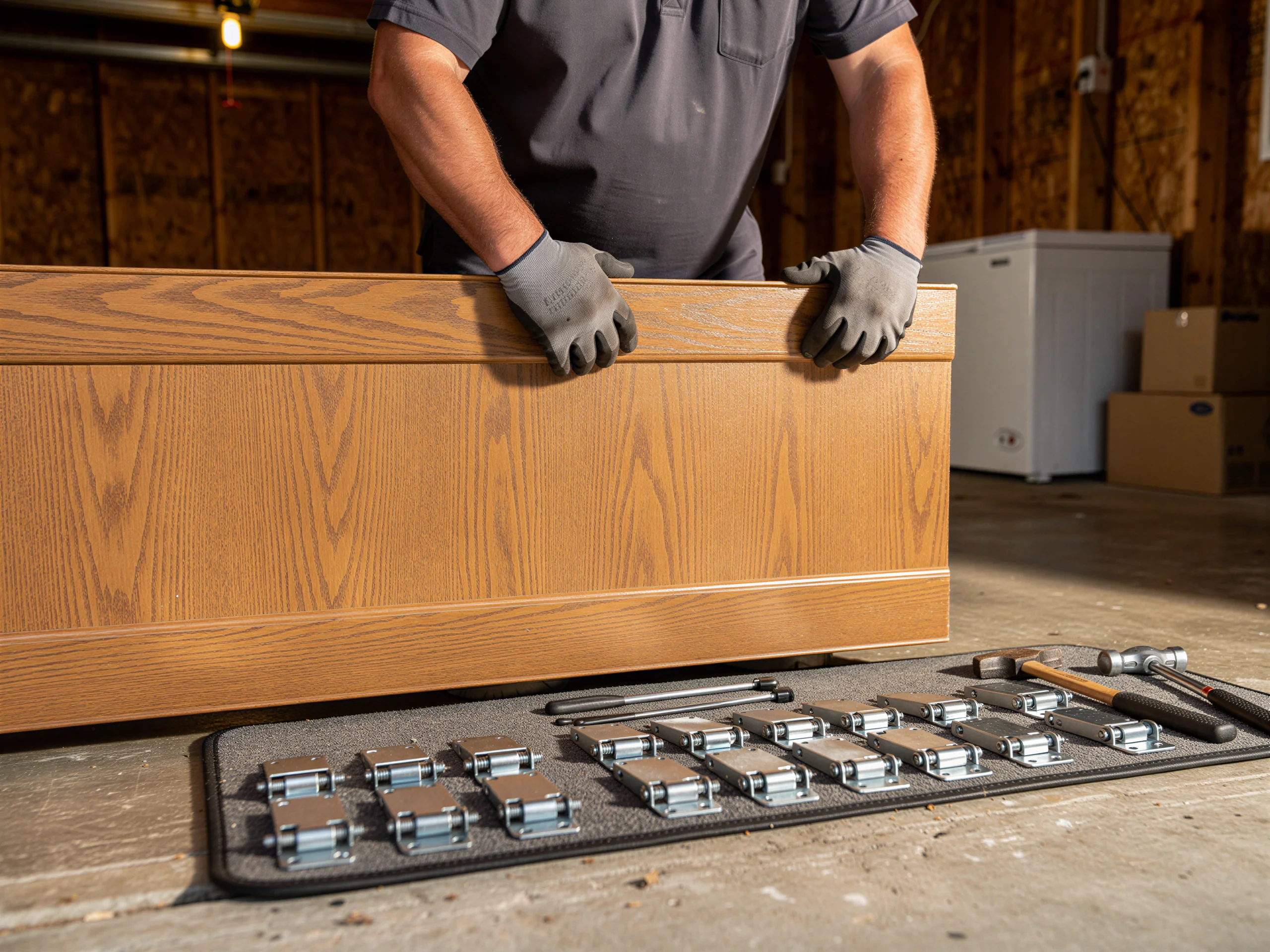
From there we spec a door built for the severe-heat conditions here - thicker insulated panels with a solid foam core, not the thin single-layer steel that was standard builder-grade stock when these subdivisions went up. The install itself replaces more than the door skin.
Replace full hardware together
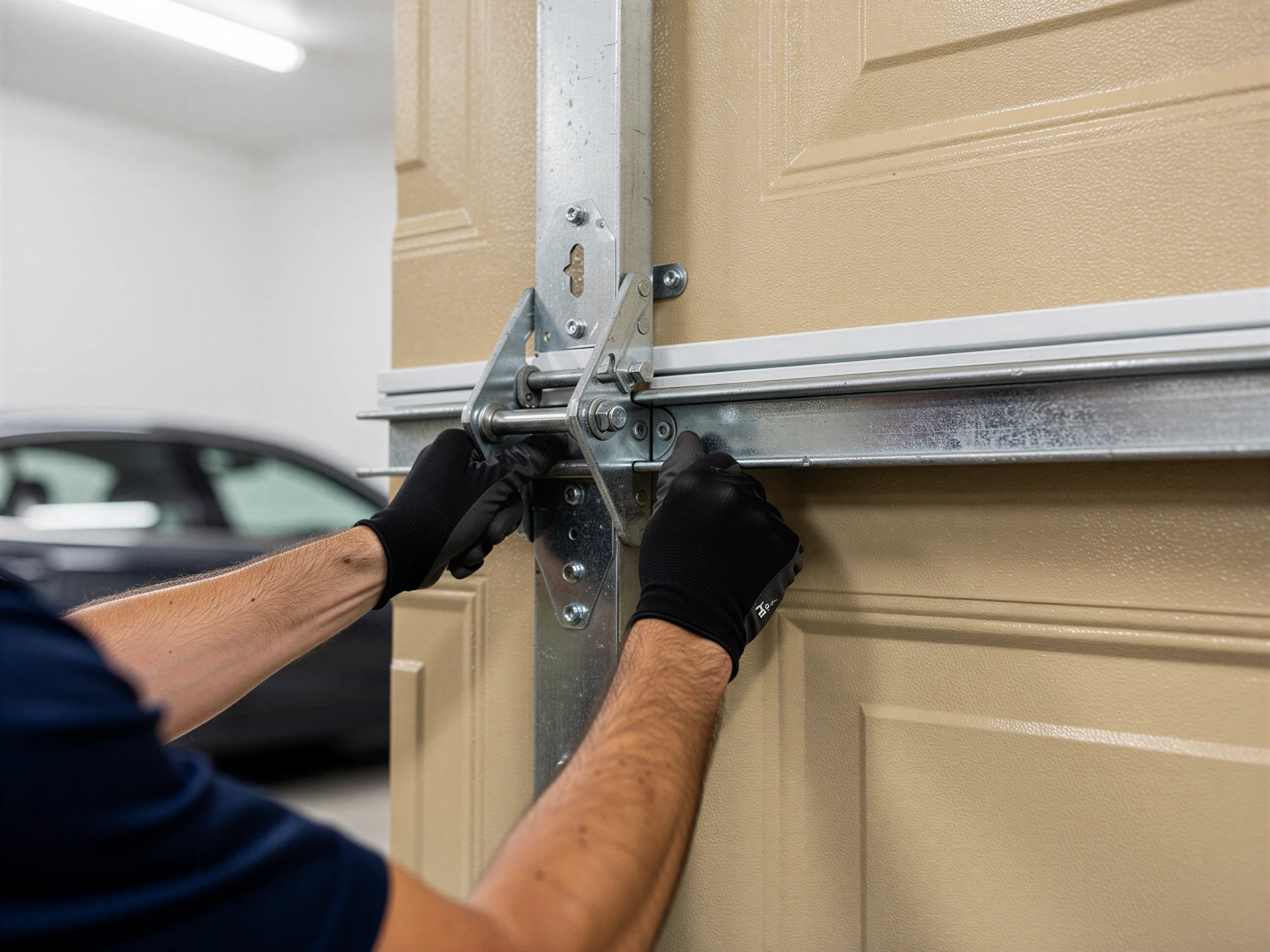
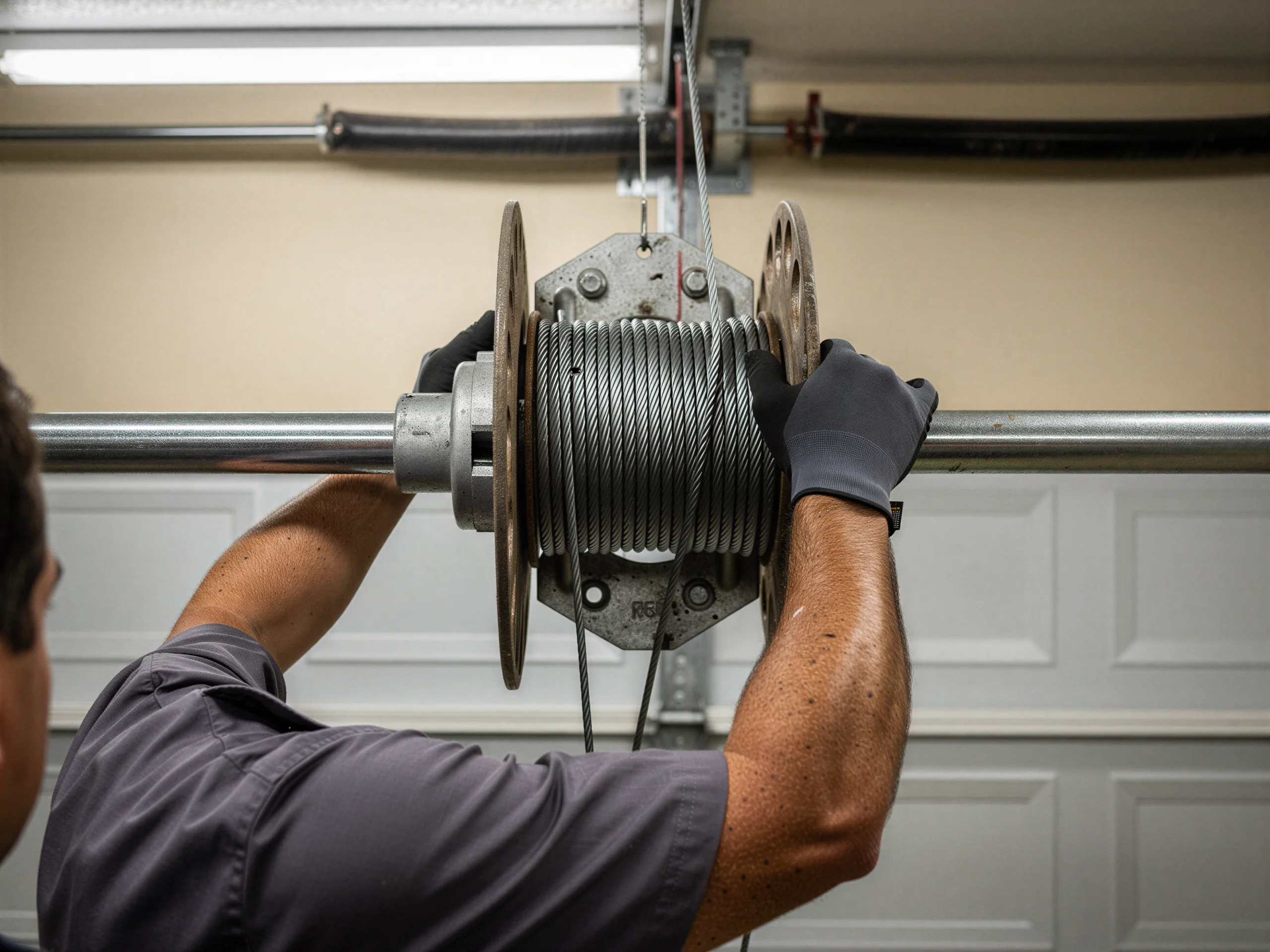
Track, rollers, cables, and the torsion spring system all get swapped or rebuilt at the same time, because putting a new door on worn hardware just moves the failure point somewhere else within a year or two. We balance the door against the new spring weight, set the opener's force and travel limits to match, and check the seal against the slab - a loose bottom seal is one of the bigger reasons garages here run hot.
Old openers may not support
One thing we don't do: try to make a 20-year-old opener work with modern safety sensors if the wiring or logic board can't support it properly. If that's the case, we'll tell you before we quote the door, not after.
How Long It Takes
A standard install, once the door itself is on the truck, is a single day's job - old door off, new door and hardware in, opener reset, balance checked. That part doesn't vary much.
What does vary is getting the door to the truck in the first place. Standard sizes and standard colors we can usually turn around fast. A custom width, a non-standard color match, or a specific insulation package ordered from the manufacturer adds lead time that's outside our control - we'll give you the manufacturer's estimate when you order, not a guess. If your opening is a standard size, which most of the 2000s-era construction here uses, you're in the faster lane. If it's an oversized or custom opening, plan around the order time, not the install day.
Talk to a local pro
Garage door service in Surprise?
Same-day service with honest, upfront quotes.