What Causes It Around Here
Surprise sits in a severe-heat climate band, and heat is hard on galvanized steel cable in a way cold climates don't deal with. Garage interiors here run well past outdoor temperature in summer, and that heat cycle - baking all day, cooling at night, over and over - breaks down the thin zinc coating that keeps a cable from rusting and fraying at the drum. A cable that might last fifteen years in a mild climate can fray through in less time here, especially on the south- or west-facing side of a garage that takes direct sun. Add in that most housing stock across the service area went up between 1979 and 2005, with the typical build landing around 2001, and you've got a large number of doors right now sitting at the point where original or first-replacement cables are simply old. Across the seven named areas feeding mostly 2000s-era housing into this market, we see the same wear pattern on the same generation of doors. It isn't a defect - it's steel cable doing twenty-plus summers of Arizona heat cycling, and that catches up with every door eventually.
The Symptom
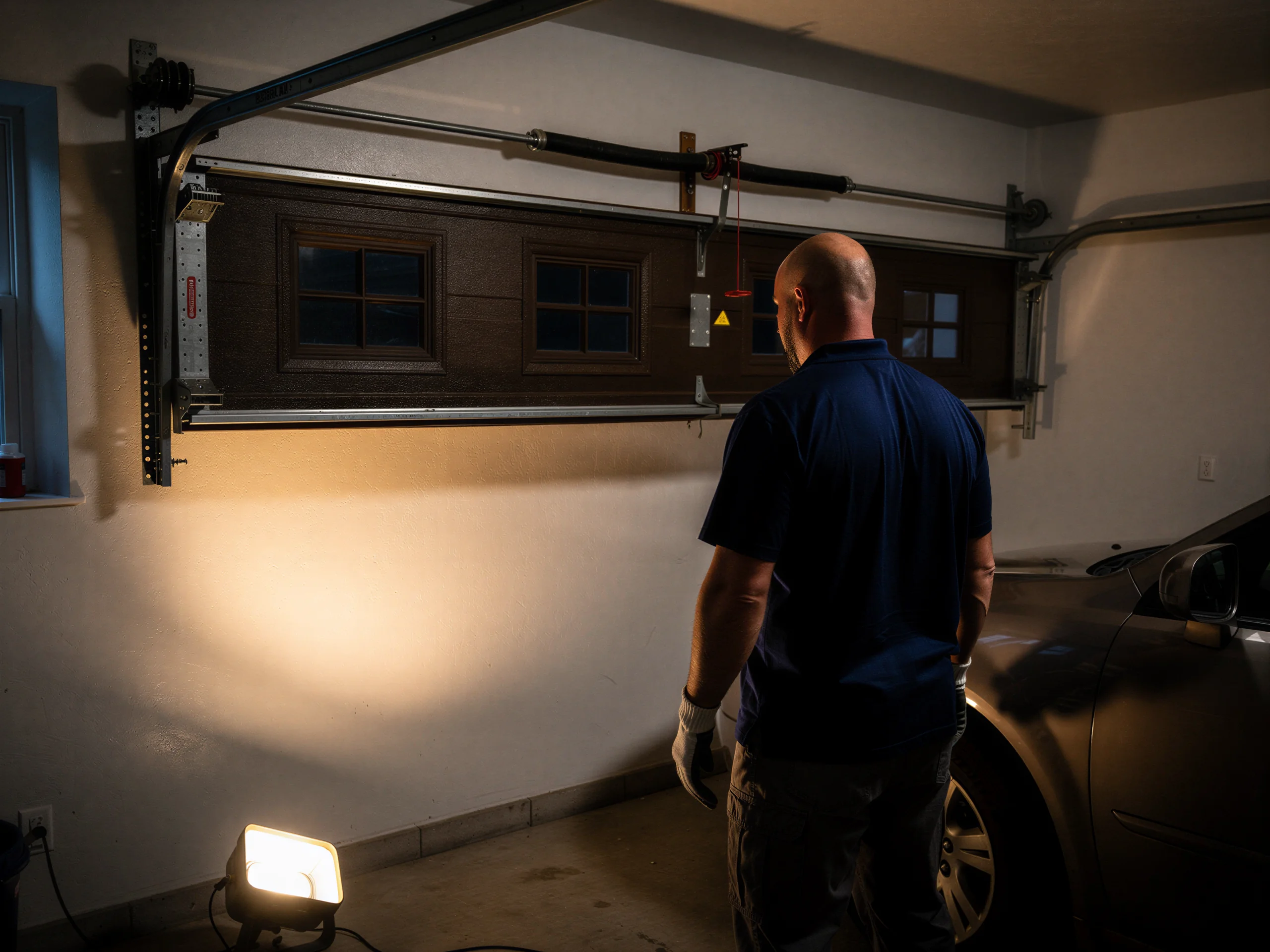
The door won't move, or it moves crooked and drops on one side. Sometimes you hear a bang from the garage first - that's the cable letting go under tension.
Fraying cable wears slowly
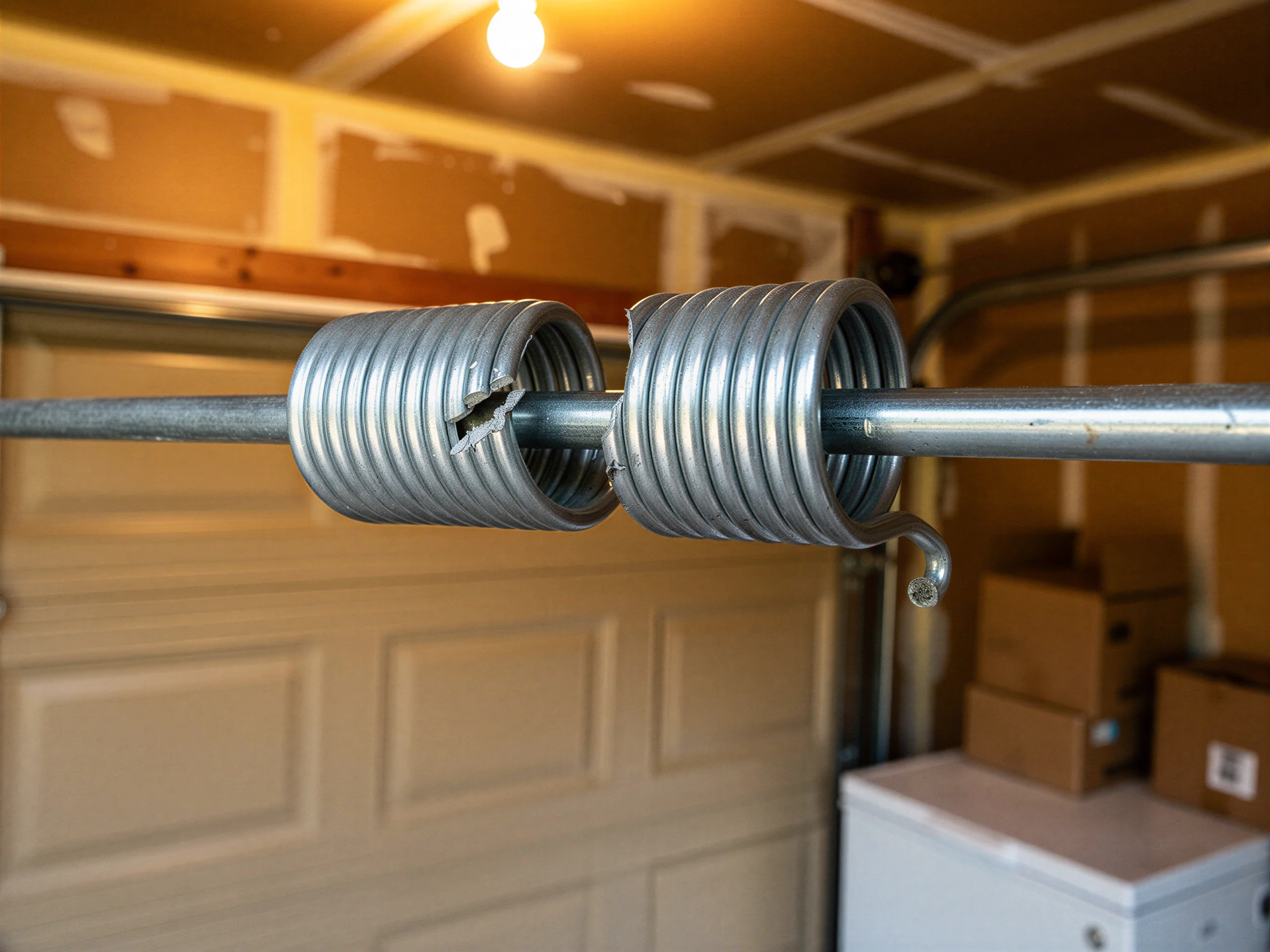
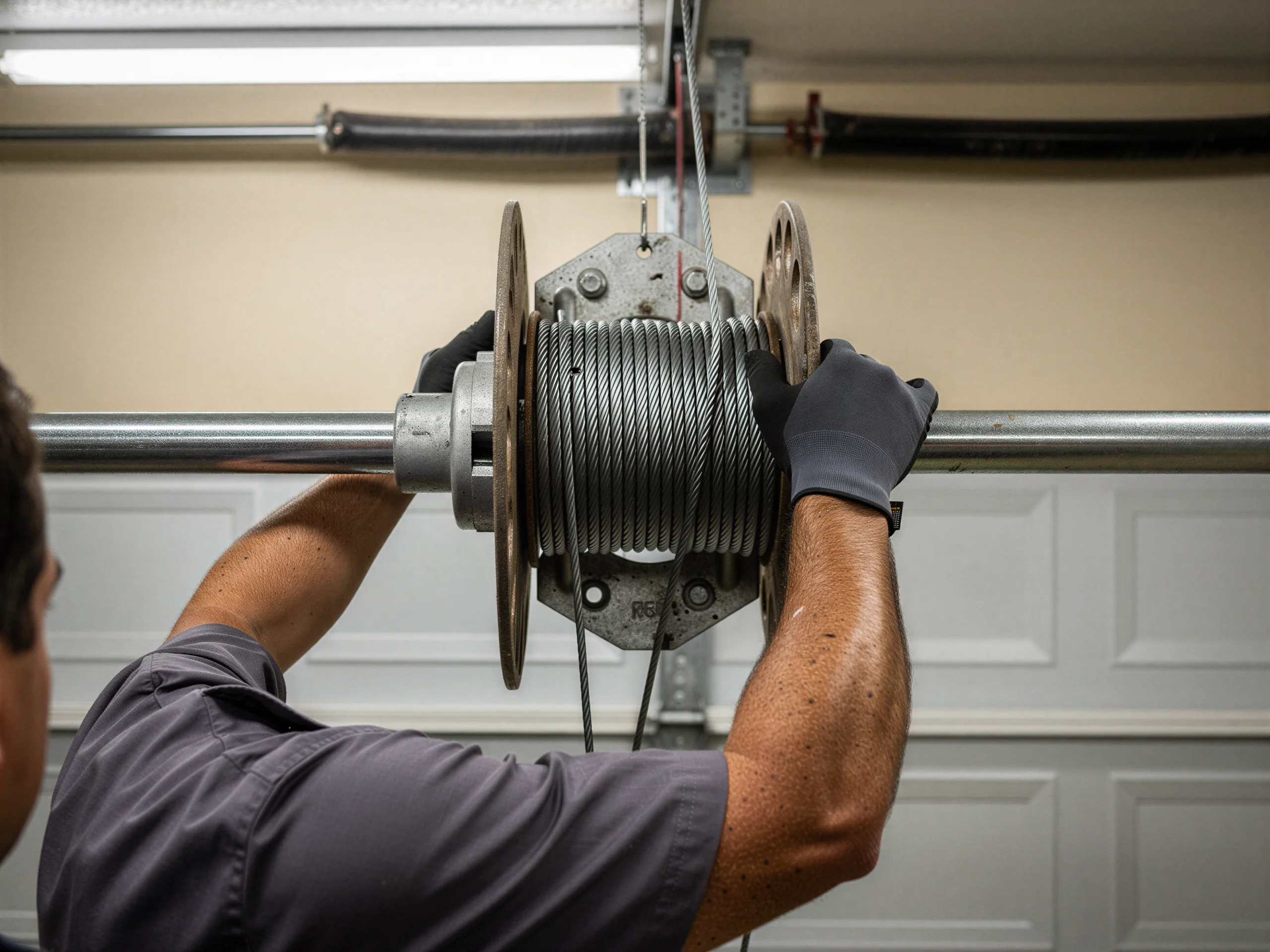
Other times it's slower: a cable starts fraying where it wraps the drum, and the door starts riding unevenly for a week or two before it finally snaps. If you see loose, kinked, or bird-caged cable (the strands splaying out instead of lying flat), that door is one cycle away from a full failure.
Stop forcing the opener
Don't force the opener past a stuck or lopsided door. A cable under load that's about to go can whip when it breaks, and the door itself can drop fast once the cable stops holding its corner.
Replace cables as pairs
If only one cable looks bad, the other one on a double-cable door is usually close behind - they're the same age and have done the same number of cycles, so it's rarely worth replacing one and leaving the other. Most of what we see in Surprise is a drum-end fray or a frayed spot at the bottom roller bracket, not a clean snap in the middle of the cable.
How We Fix It
We pull both cables as a set, not just the broken one, because a cable that's lasted exactly as long as its twin is close to the same failure point.
Inspect drums before cables
The drums get checked too - a cable that's been riding slightly off the drum groove wears itself out faster, and we won't put a new cable back on a drum that's going to chew through it again in a year.
Manual cycling before opener
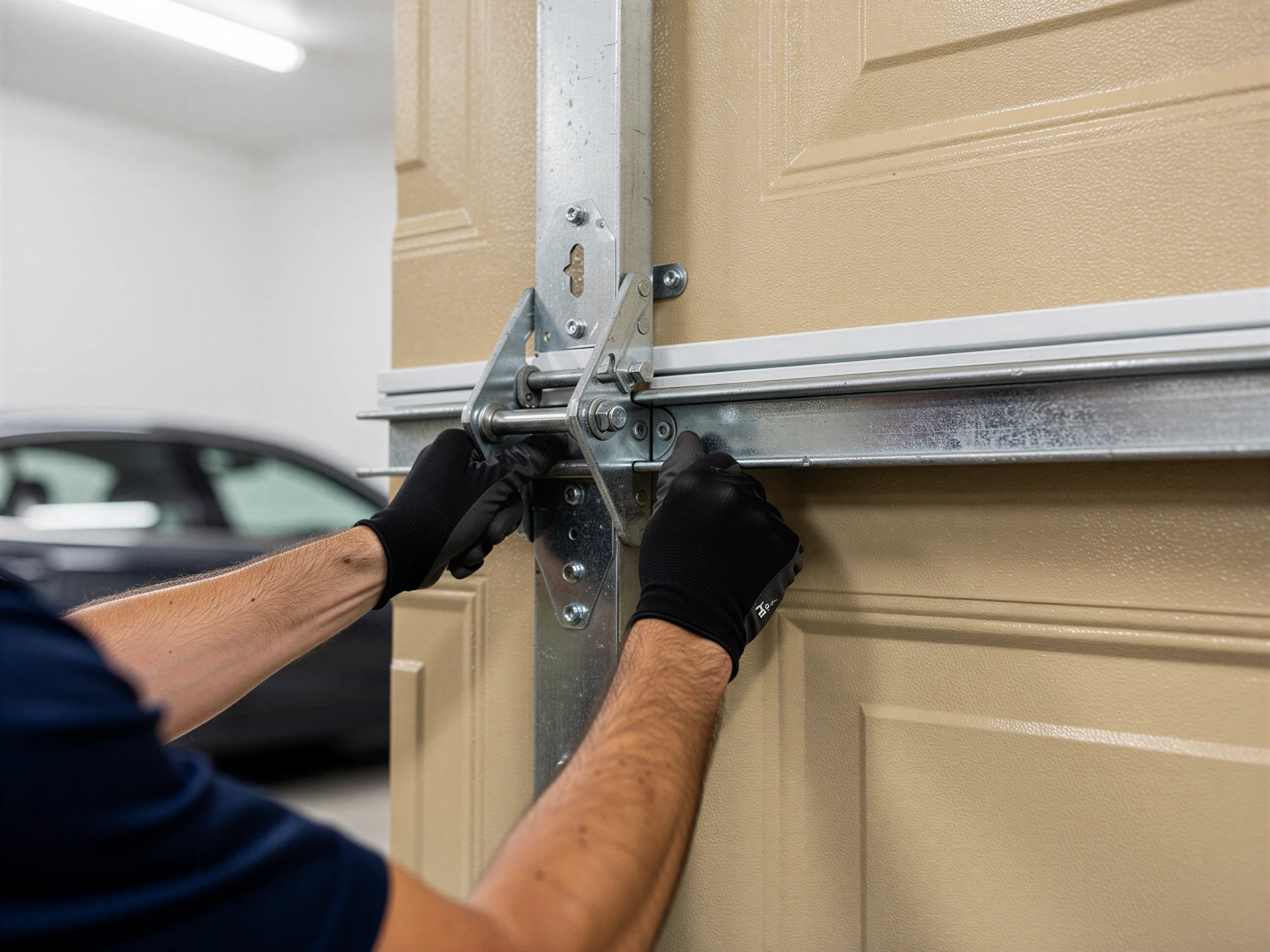
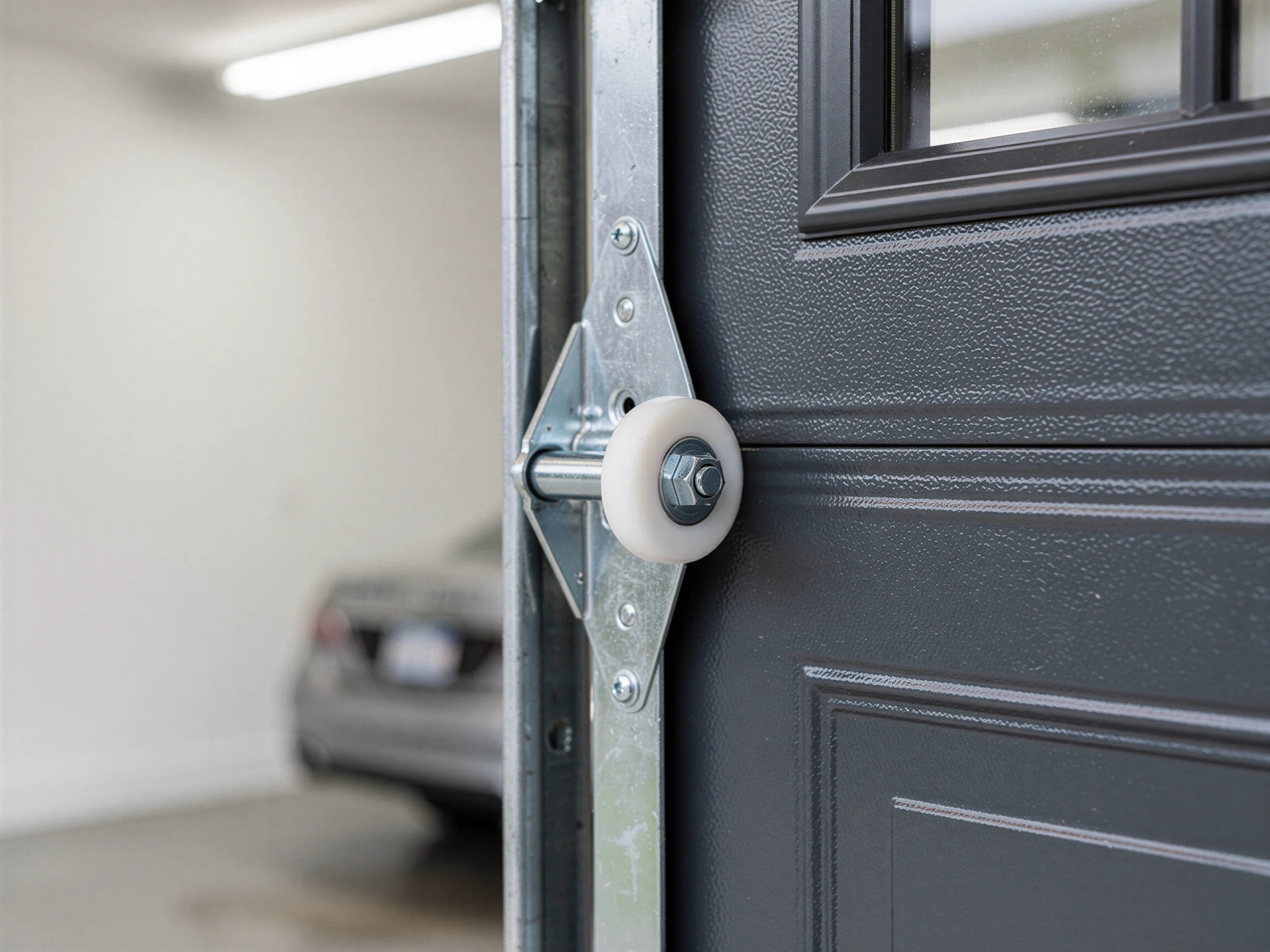
We set spring tension, run the door through full open-close cycles by hand before we ever touch the opener, and check that both sides land level at the floor. If the bottom brackets or rollers are what chewed the old cable up in the first place, we flag that honestly rather than hand you a new cable on the same bad hardware.
Cable fix ignores bent track
We don't replace a cable and call it done if the real problem is a bent track or a seized roller - fixing the cable alone just buys you a few more months before the same call.
How Long It Takes
A straight cable replacement on a double door, both cables, is most of a morning or afternoon job once we're on site - this isn't an overnight repair. What stretches it out is if the drums, bottom brackets, or rollers also need replacing, which happens more often than homeowners expect once a cable's actually frayed through rather than just stretched. We don't carry every spring size or every bracket style in the truck for every door, so if your door uses an odd factory part from its build year, that can mean a return trip rather than a same-visit fix. We'll tell you up front if that's the case instead of guessing. For most Surprise homes, where the door and hardware date to somewhere in the 1979-2005 range, parts are common enough that we finish in one visit.
Talk to a local pro
Garage door service in Surprise?
Same-day service with honest, upfront quotes.