How We Fix It
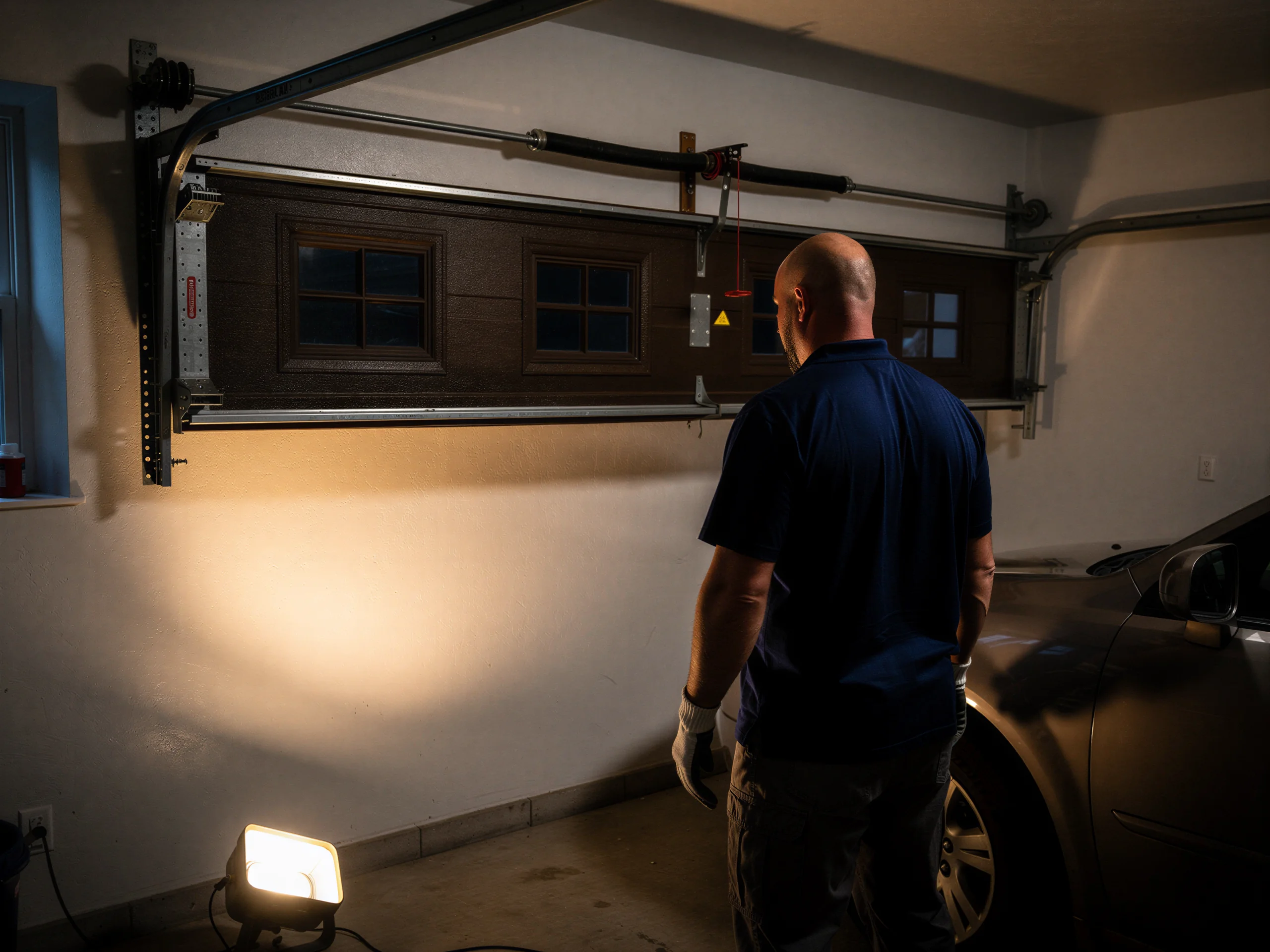
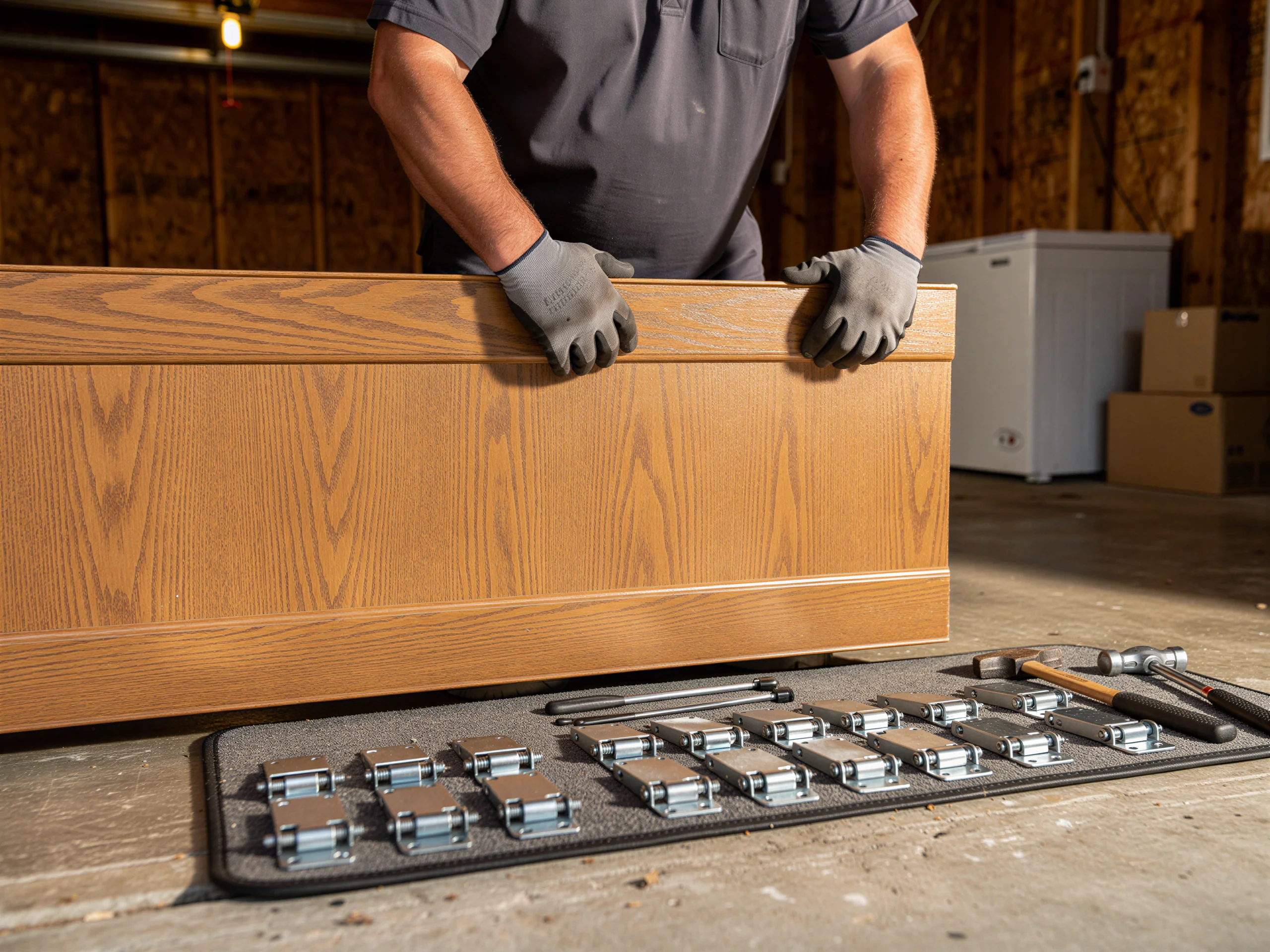
For a new install in Youngtown, we start with the opening itself, not a catalog. Given how many of these houses date to 1979, we measure jamb depth and headroom on site before we quote anything, because a lot of older openings here don't match the clearances modern insulated doors assume.
Single visit for removal
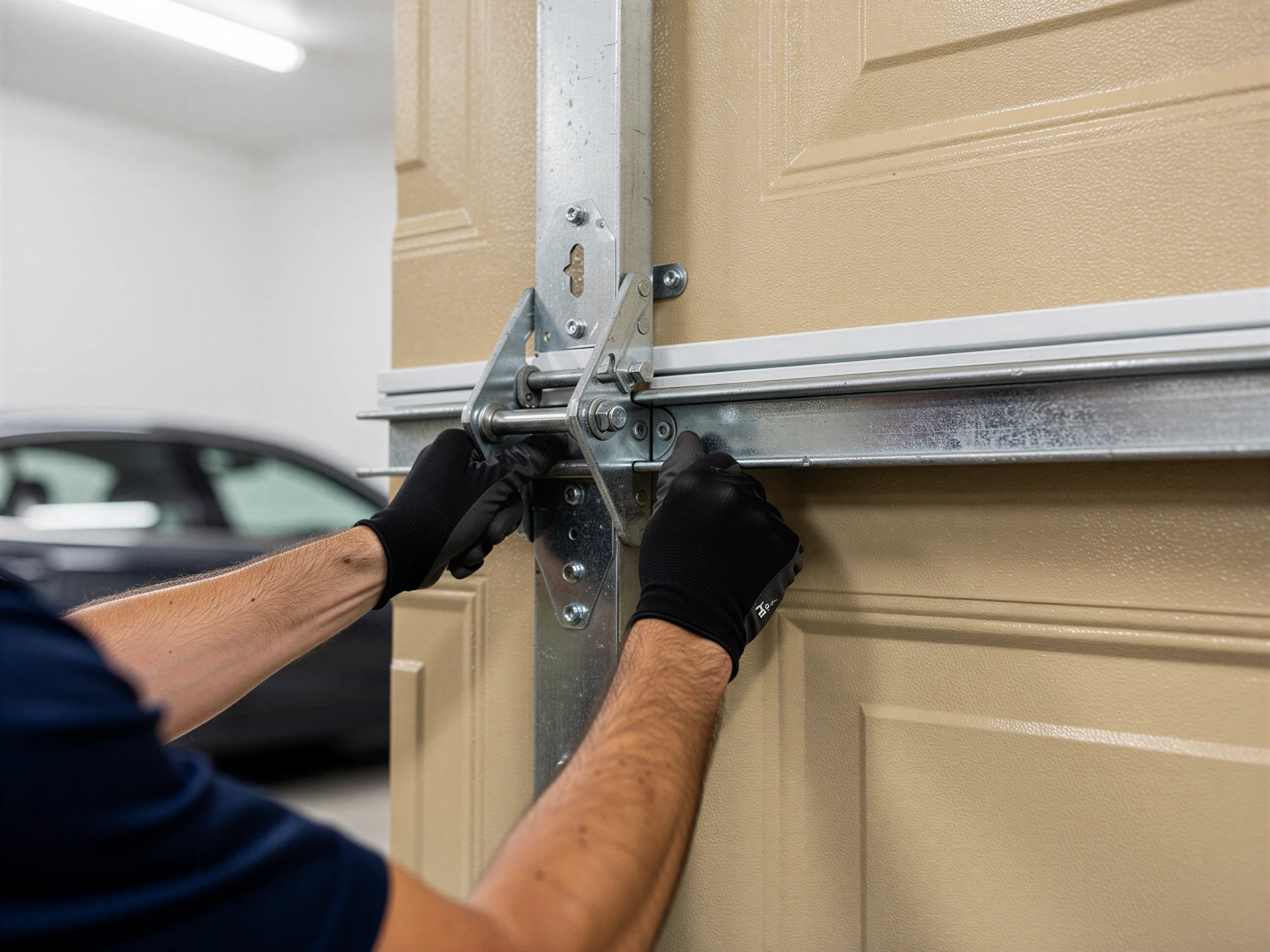
We pull the old door and track as one job, not two separate visits, since the ten-mile drive from Surprise means we'd rather carry extra lag screws, a spare end bearing plate, and both standard and low-headroom track hardware on the truck than discover mid-job we're short a part.
Balance to actual weight
Once the new door is set, we balance the spring to the actual door weight - insulated steel runs heavier than the single-layer panels common in 1979 construction, so the old spring almost never carries over.
Test travel and reverse
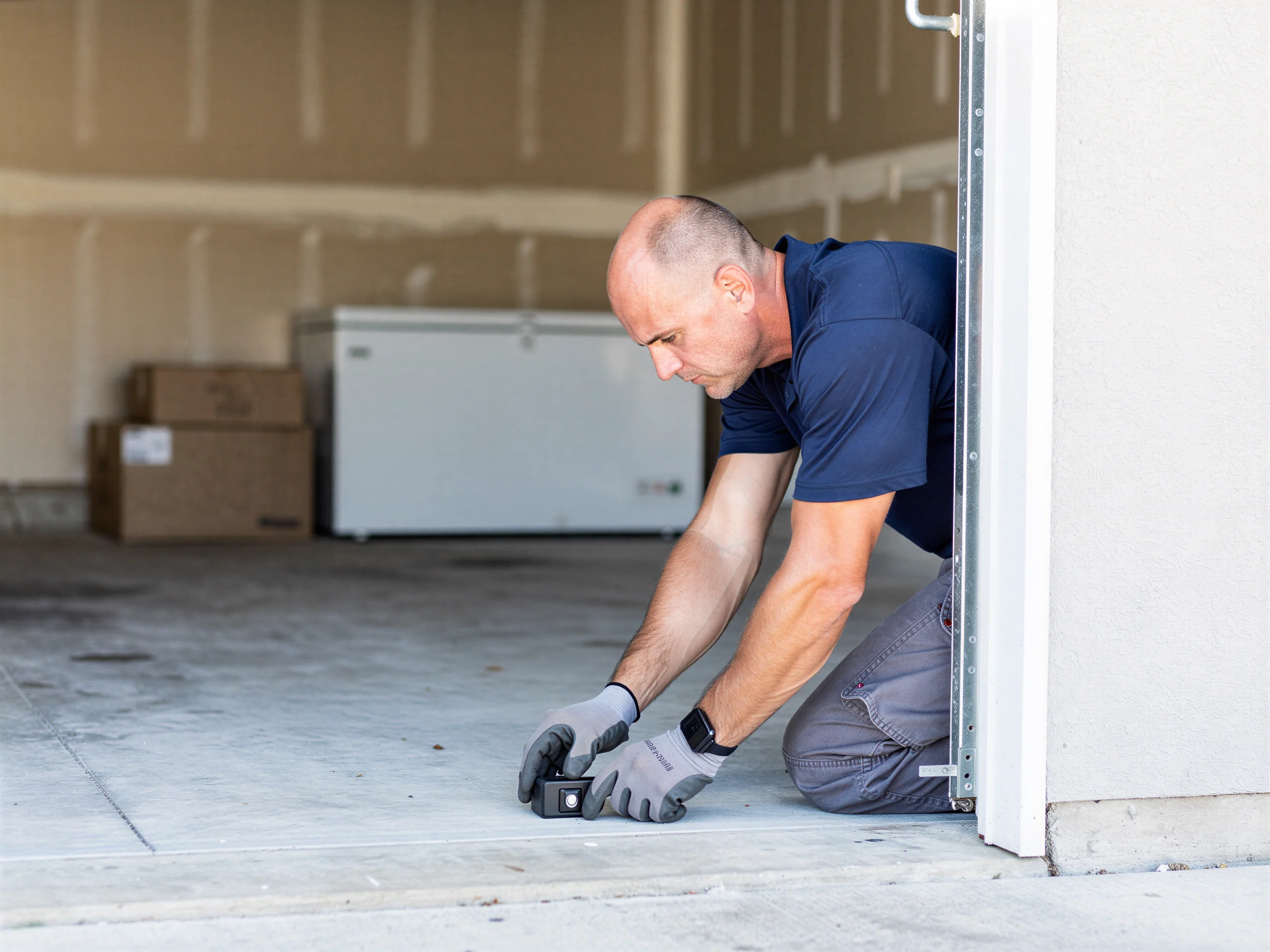
We test the opener travel limits and the auto-reverse before we call it done. None of this is unique to Youngtown in method, but the starting point - an older opening, a longer trip, heavier replacement panels - is what decides how the job actually runs here versus closer in.
What Causes It Around Here
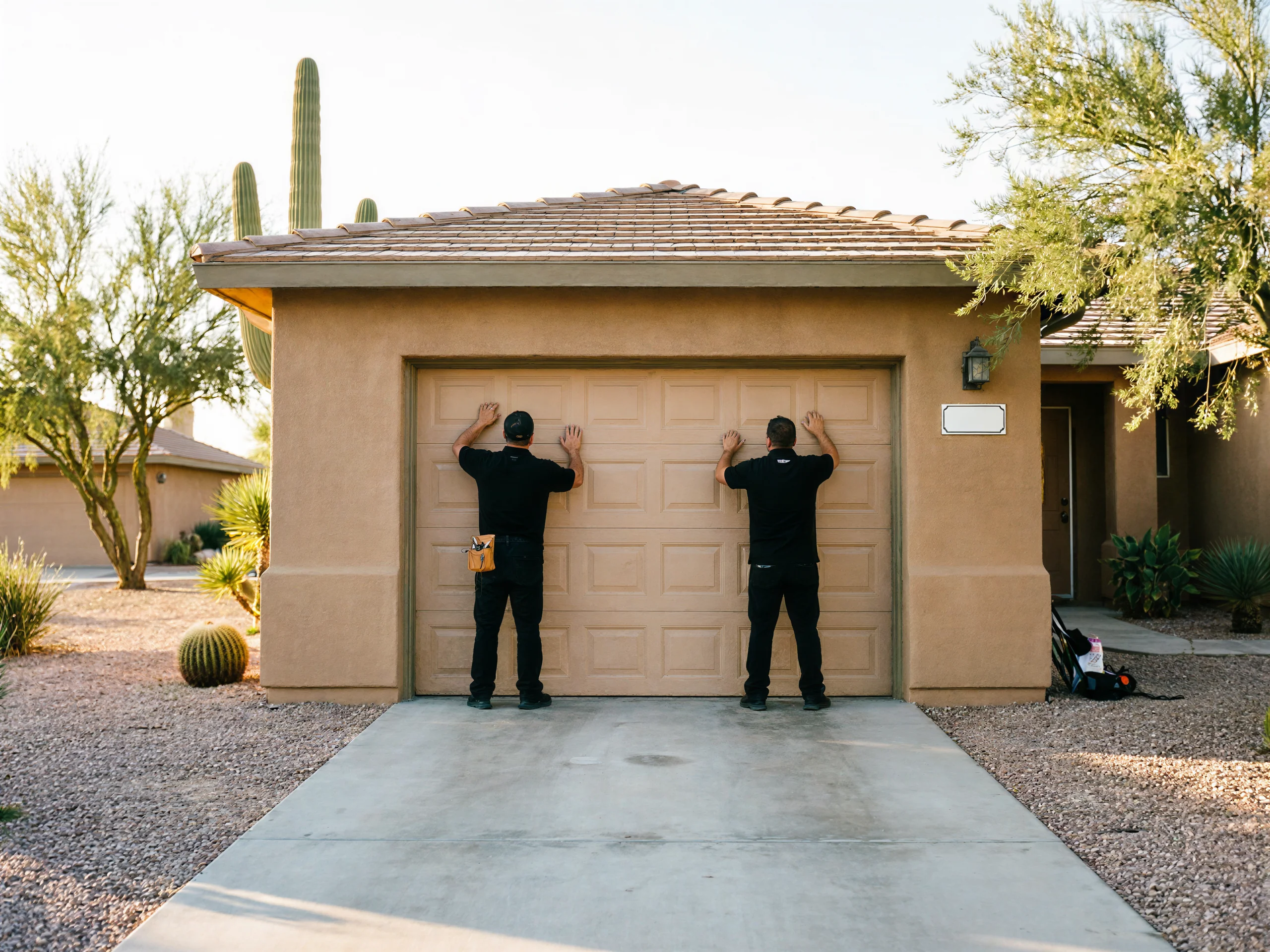
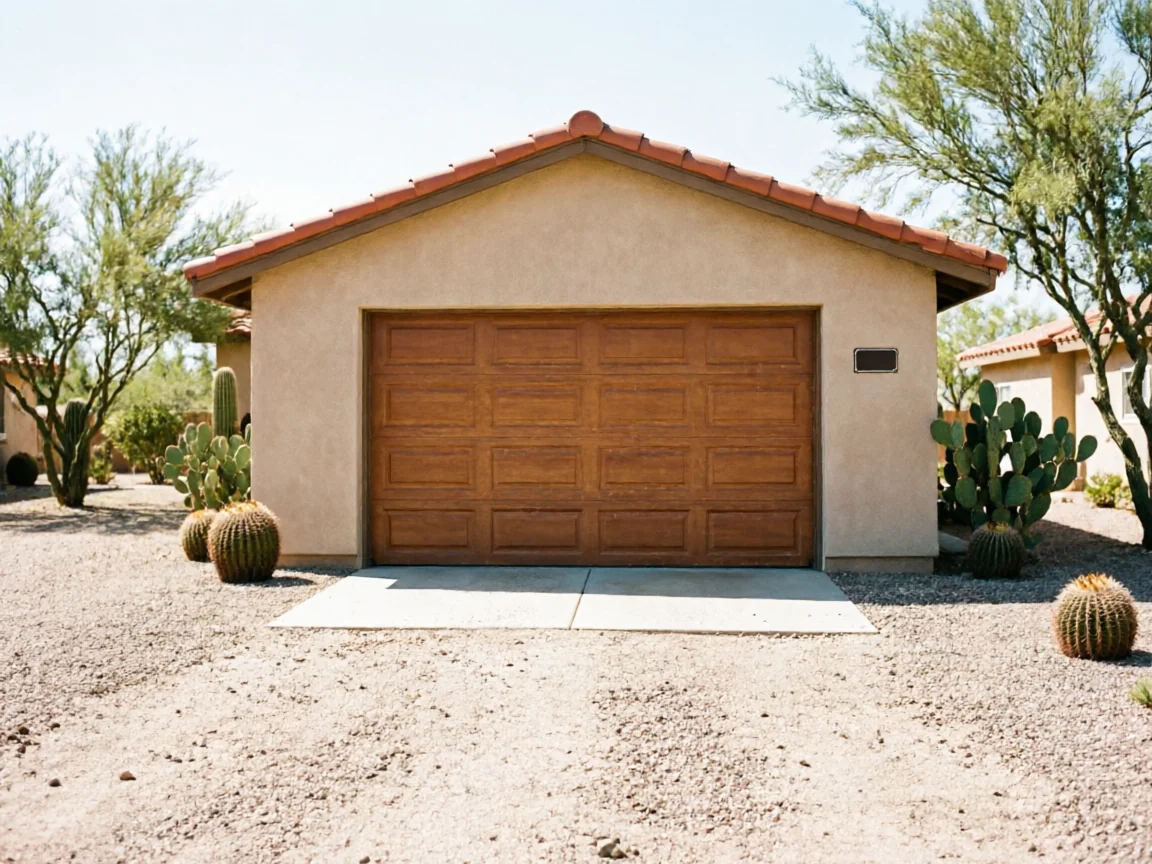
Youngtown sits about ten miles from our shop in Surprise, and that drive shapes how we plan a job here more than people expect. Houses in Youngtown skew older than most of the rest of our service area - a lot of this stock dates to 1979, years before the 2000s building wave that covers most of the other seven areas we work. That matters for doors. A door and track system installed in 1979 was built to a different code, a different spring size, and often a different opening height than what shows up on today's standard sections. When a homeowner here calls about a new door, half the job before we ever cut a panel is figuring out what's actually behind the old one - track spacing, header clearance, whether the opener bracket was ever upgraded. We don't guess at that over the phone. Because the trip out is ten miles, we try to get the measurements right the first time rather than making two visits to confirm what we should have checked on the first one. The severe summer heat this area shares with the rest of the valley also means a 1979 door and its steel skin have likely spent over forty summers expanding and contracting, which is part of why so many of these original doors are due for replacement rather than repair.
How Long It Takes
A straightforward single-door swap on a house with a standard opening usually runs a half-day once we're on site, door removal through opener testing. A double door, or any job where the 1979-era framing needs shimming or trim work to take a modern door, runs longer - sometimes into a second visit if a part has to be ordered to match an odd opening size. Because the drive from Surprise is ten miles each way, we schedule Youngtown jobs with that travel time built in rather than treating it as a quick add-on between closer stops. If you need an exact window for your house, the honest answer depends on what we find once the old door's off the track, not before.
The Complications
The biggest complication on a Youngtown install isn't the door - it's the opening it has to fit into. On a house from 1979, the rough opening was framed to whatever lumber and header size was standard that year, and it's not unusual for that to be an inch or two off from what a current manufacturer's install kit expects. We handle that with field-fit trim and jamb packing, but it adds time the quote has to account for. Heat is the other factor: in this climate band, extreme summer heat is common, and insulated doors expand differently than the single-skin steel doors common on older houses, so track alignment gets checked, not assumed, during the first season after install. One honest limit - if the header or the surrounding framing has settled enough that the opening is out of square by more than a small amount, that's a carpentry fix before it's a door fix, and we'll tell you that rather than force a door into an opening that will keep binding.
The DIY Question
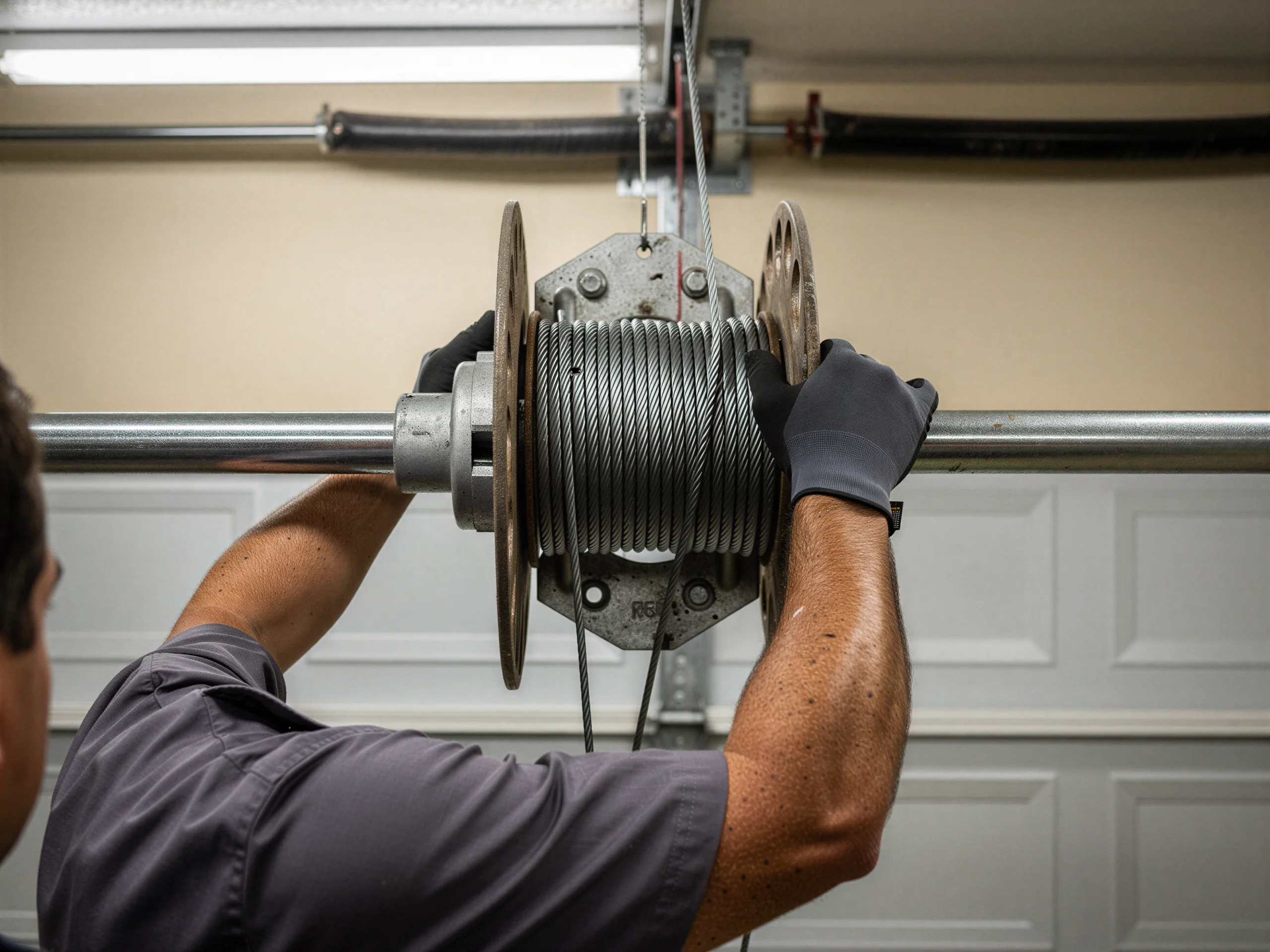
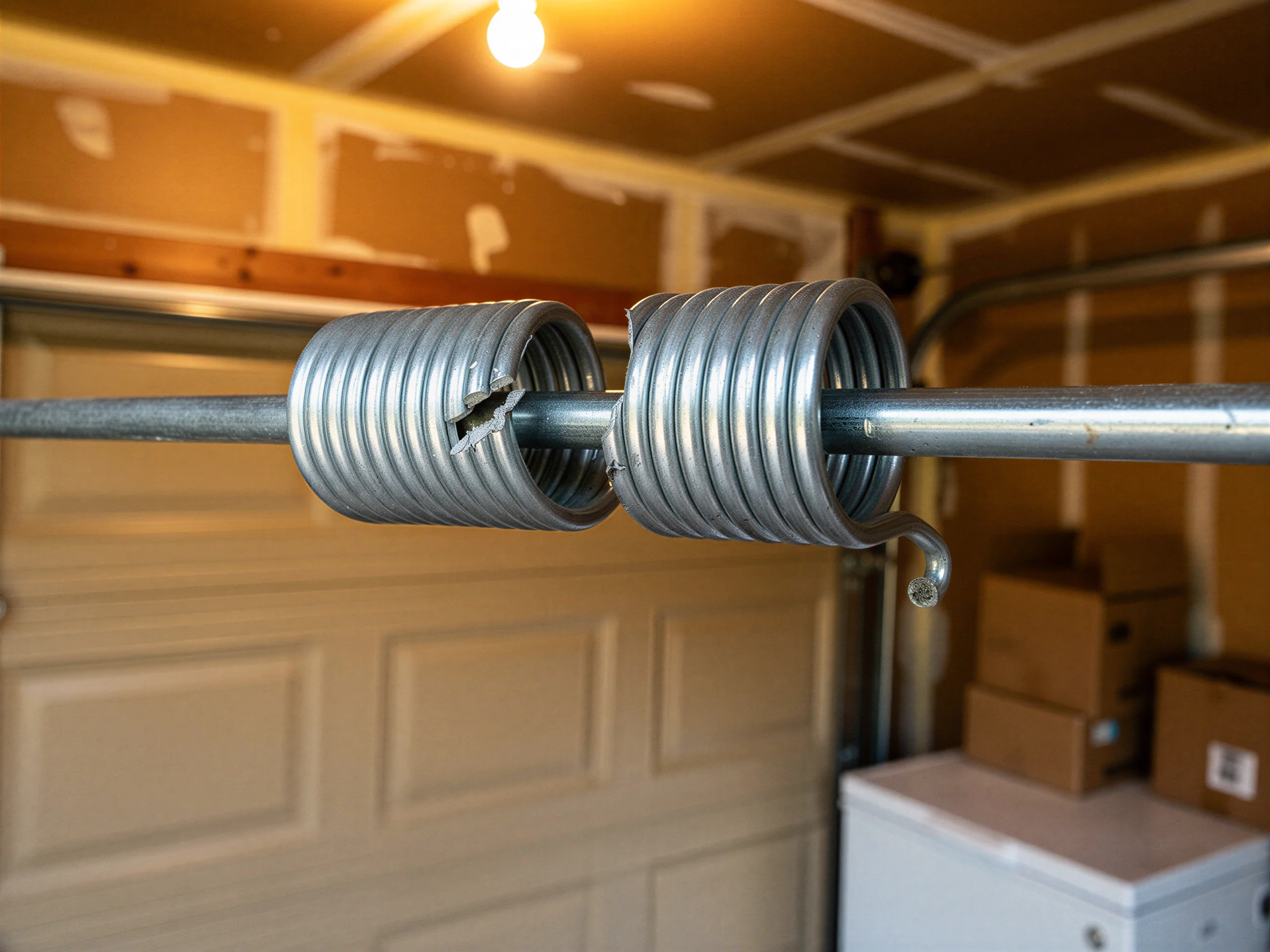
Swapping a garage door yourself is possible on paper and a bad idea in practice once a torsion spring is involved, which almost every double door in Youngtown has.
Winding force remains dangerous
The spring on a 2,460-household area like this one is wound under enough tension to break a wrist or worse if the winding bars slip, and that risk doesn't change because the house is older or the door is smaller.
Light homeowner upkeep tasks
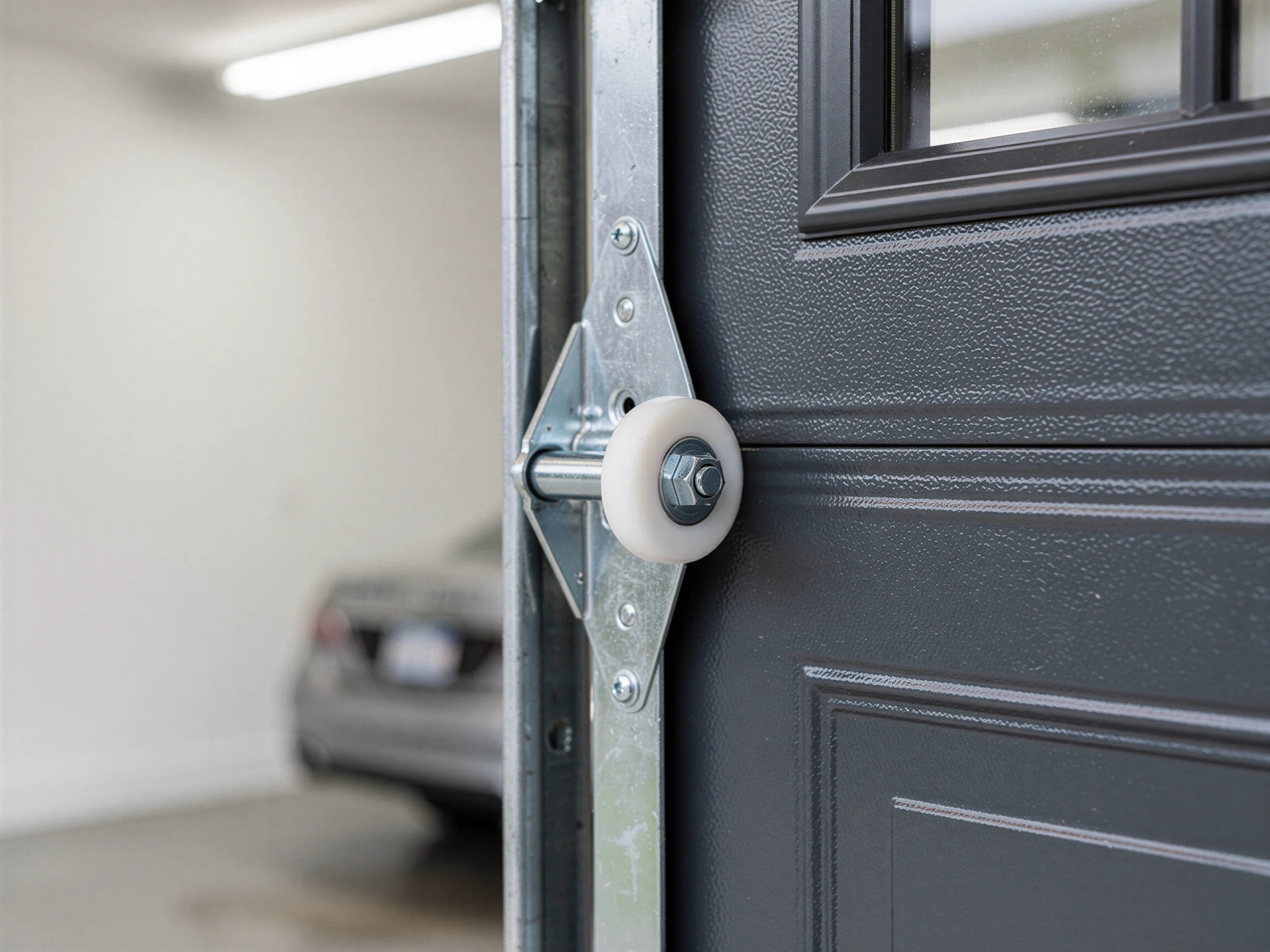
What you can reasonably do yourself: check weatherstripping, lubricate rollers, tighten loose hinge bolts, and watch for a door that's started sagging on one side - that's often a cable or roller issue worth calling in before it becomes a full replacement.
Check frame before removal
What you shouldn't do: pull the old door panels off a 1979 frame without knowing whether the track is still square, because on houses this age the jamb has sometimes shifted enough that the new door won't hang plumb without shimming. If you're not sure which category you're in, that's a phone call, not a YouTube video.
Talk to a local pro
Garage door service in Surprise?
Same-day service with honest, upfront quotes.