What Causes It Around Here
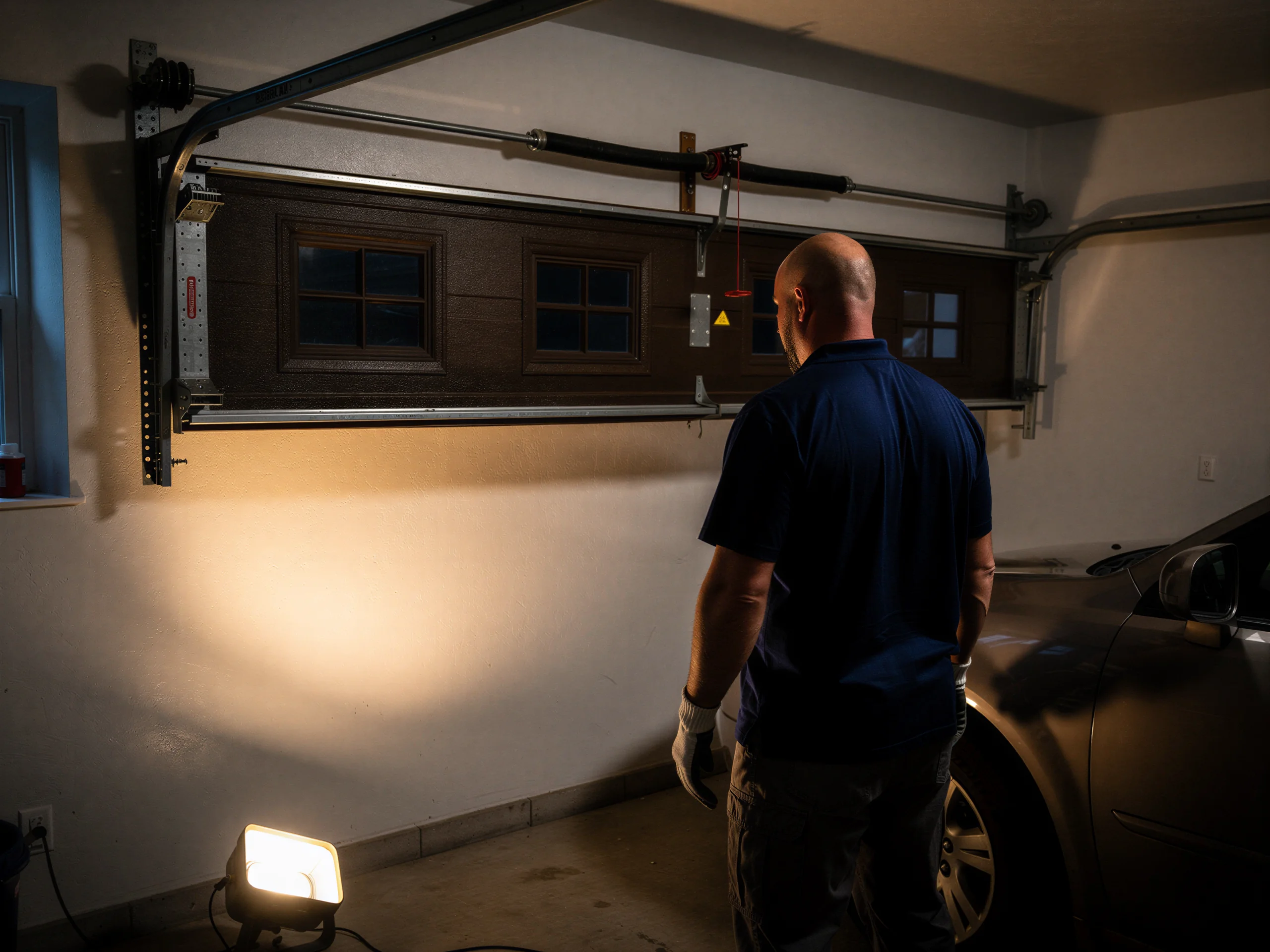
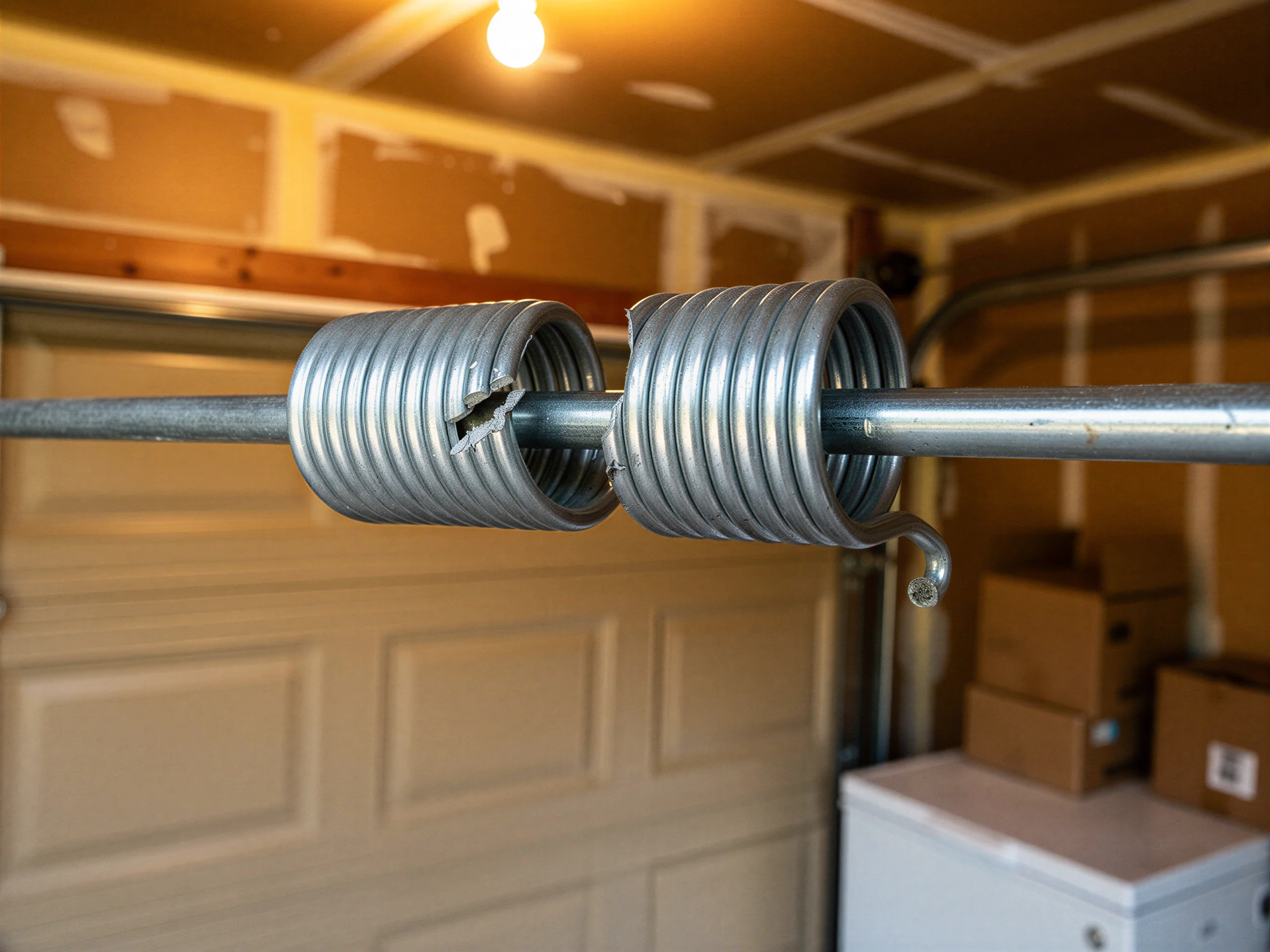
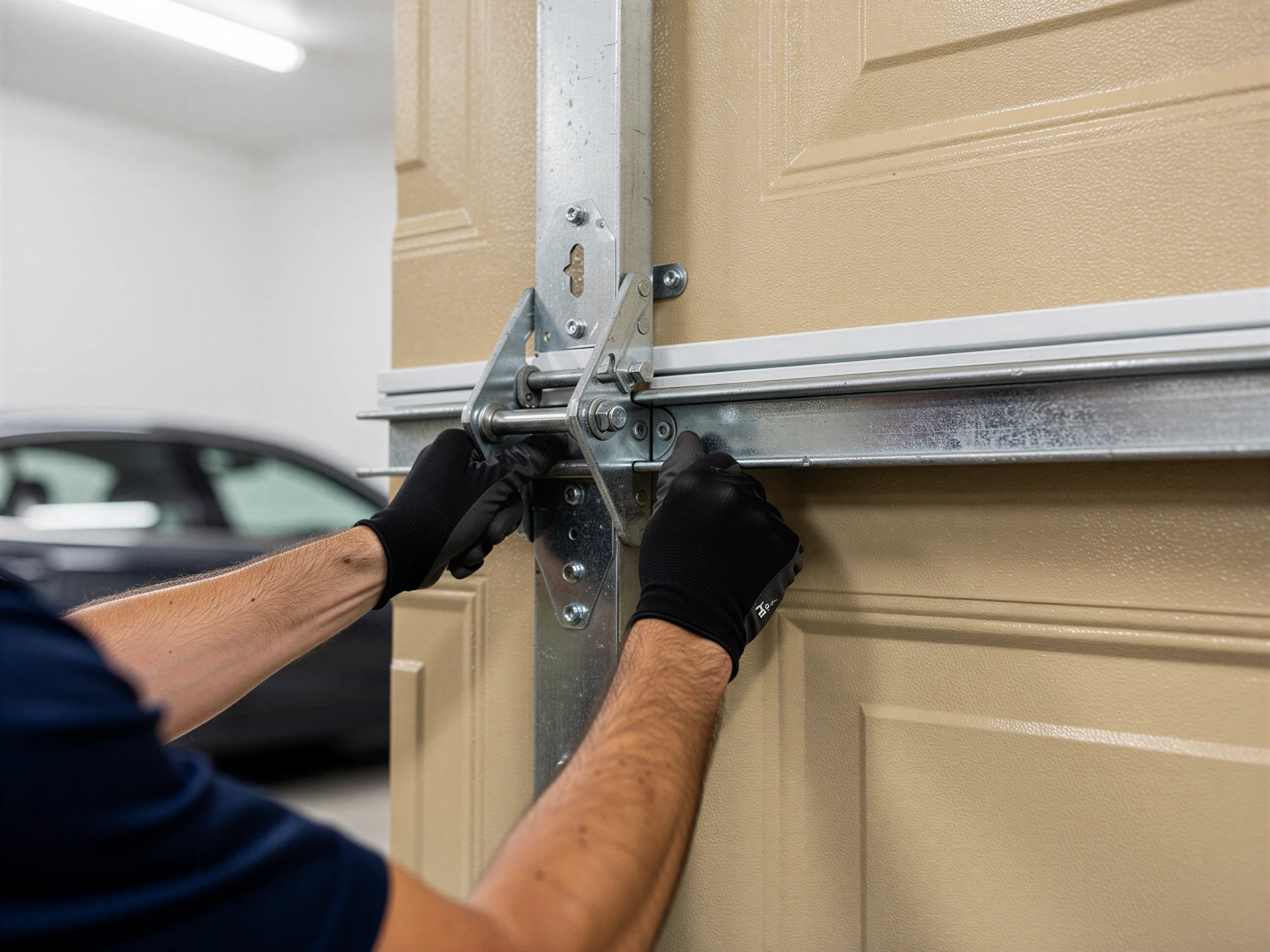
Most of the housing stock in this part of the service area, Litchfield Park included, went up between 1979 and 2005, with a median build year of 2001. That means steel sectional doors on torsion or extension spring hardware, not the older one-piece tilt-up doors you'd find in a pre-1970s neighborhood. The hardware from that era was built to a cycle count that assumes moderate use in a moderate climate, and this is not a moderate climate - the area sits in a severe heat band. Factory lubricant on springs and rollers breaks down faster under sustained summer heat, nylon rollers get brittle and crack instead of wearing smoothly, and the galvanized coating on torsion springs thins out years ahead of the cycle count stamped on the spring itself. On a door built around 2001, that's two decades of heat cycling on original hardware in a lot of cases. We also see openers from the same build wave reaching the end of their gear-and-sprocket life around now, which is a separate failure from the spring but tends to show up close together because both parts are the same age.
The DIY Question
Litchfield Park's median household income runs $124,973, well above the $68,472 average across the rest of our service area. That number matters more than it sounds like it should, because it changes where the repair-or-replace line actually falls.
Early replacement habits here
On a lower-income block, a cracked panel or a dying opener often gets patched because a new door is a stretch. Here, we see the opposite problem more often: a door that's fixable gets replaced early because the owner would rather not deal with it twice, and a door that should be replaced gets nursed along with a universal remote and a can of WD-40 because the original installer is long gone.
Judging repair or replacement
Neither instinct is wrong, but neither is automatically right either. A broken torsion spring on a double door is almost always a repair, not a replacement, regardless of what the house is worth. A warped panel from sun exposure on a 20-year-old door, paired with an opener that's already been swapped once, is a different conversation.
No phone spring coaching
We'll tell you straight which bucket you're in before you spend money either direction. DIY spring work specifically is the one thing we won't walk you through over the phone - the cable under tension has put people in the ER, and that's not a repair-or-replace call, it's a don't-do-it call.
The Complications
With 2,867 households in Litchfield Park, it's a smaller piece of our overall service area than some of the larger communities we cover, so we don't warehouse a separate inventory just for this town - what's on the truck is what's on the truck for everyone we drive to.
Custom upgraded doors more
That's rarely an issue for standard torsion spring and roller jobs, but it means a custom or upgraded door - and given the income level here, we do see more of those than in some other parts of the area - can mean a return trip once the part arrives rather than a one-visit fix.
Thirteen miles, looser windows
The other complication is simpler: distance. At 13 miles out, we can't offer the kind of tight emergency window a company based in town could promise. If your door is stuck open and the house is otherwise secure, that's fine to schedule normally.
Flag security issues early
If it's stuck in a way that's a safety or security problem, say so when you call so we can prioritize it against the rest of the day's route.
Stocked Parts
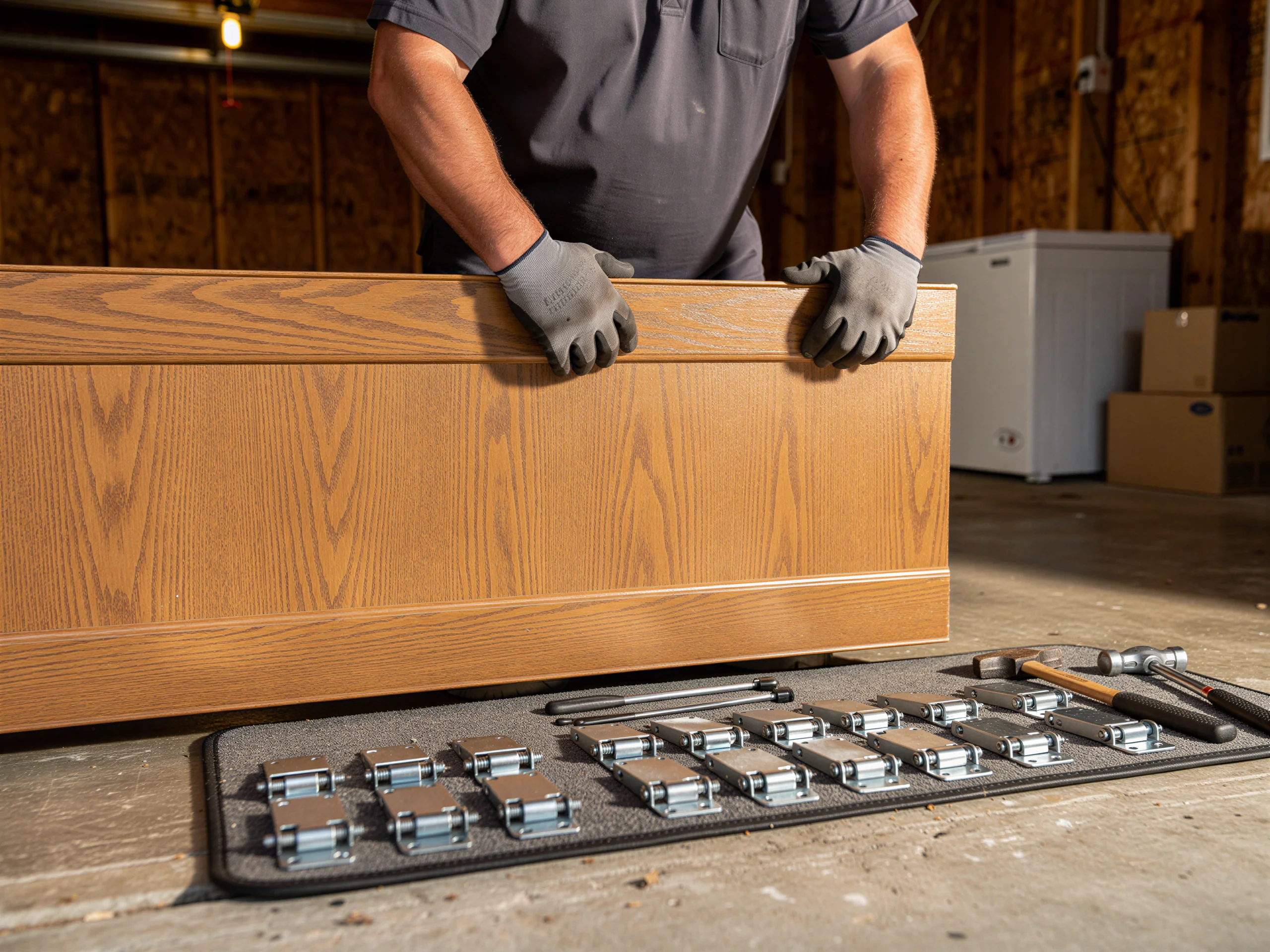
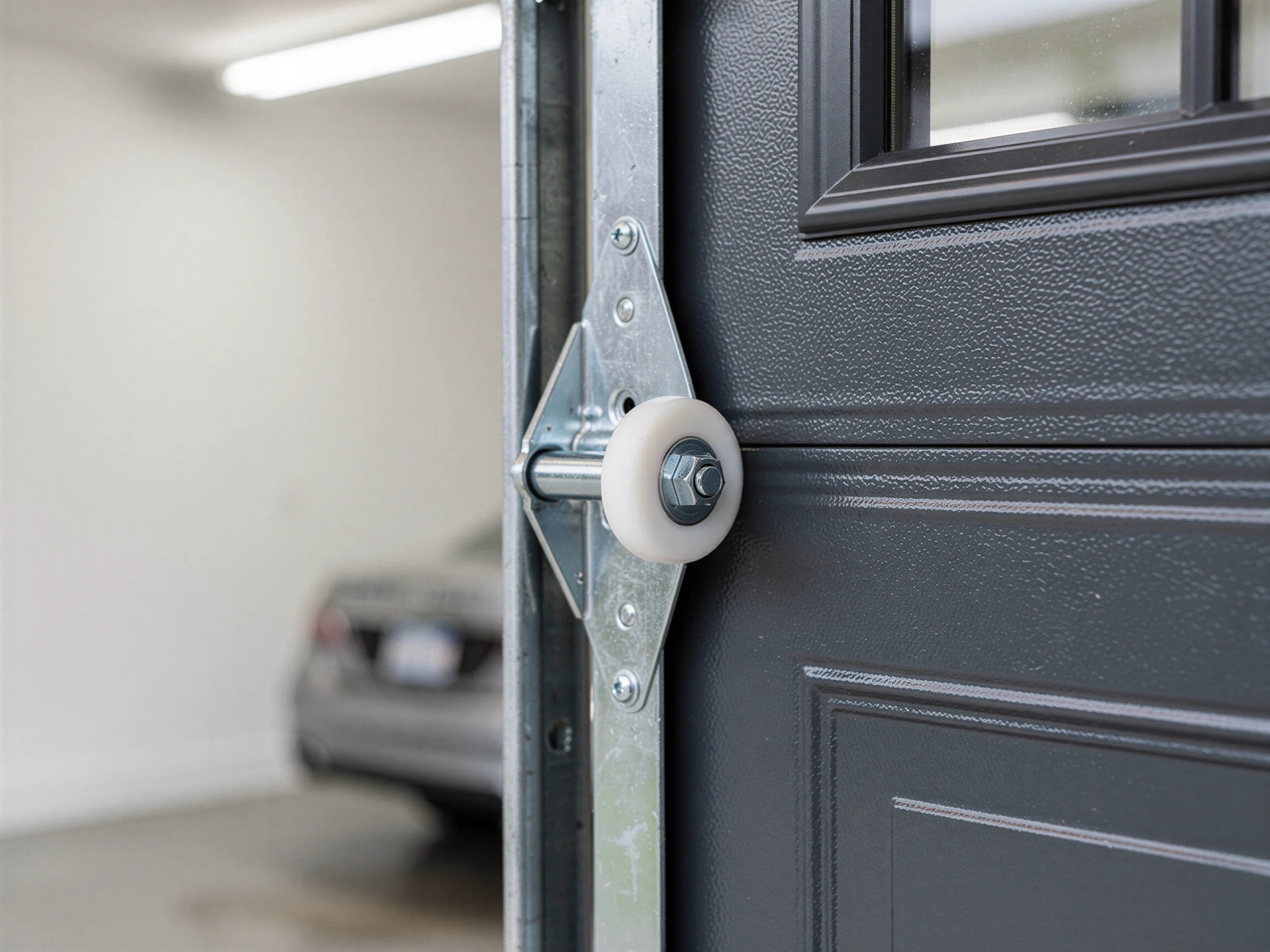
Because the housing stock through this part of the service area clusters so tightly around the 2001 build year, we carry the torsion springs, rollers, and cable sizes that match that generation of door on the truck, not as special orders. That covers the common double-door torsion setups and the standard nylon and steel roller sizes from that era. Openers are more of a mixed bag - a 2001-era chain or belt drive opener often shares parts with units still sold today, so a drive gear or a logic board swap is usually a same-visit fix rather than a wait. Where we do run into a lead time is specialty hardware: custom panel colors, insulated doors with a non-standard R-value, or anything upgraded outside the original builder spec. We won't pretend to have those on hand, because we don't, and ordering them can add a few days before we're back out.
How We Fix It
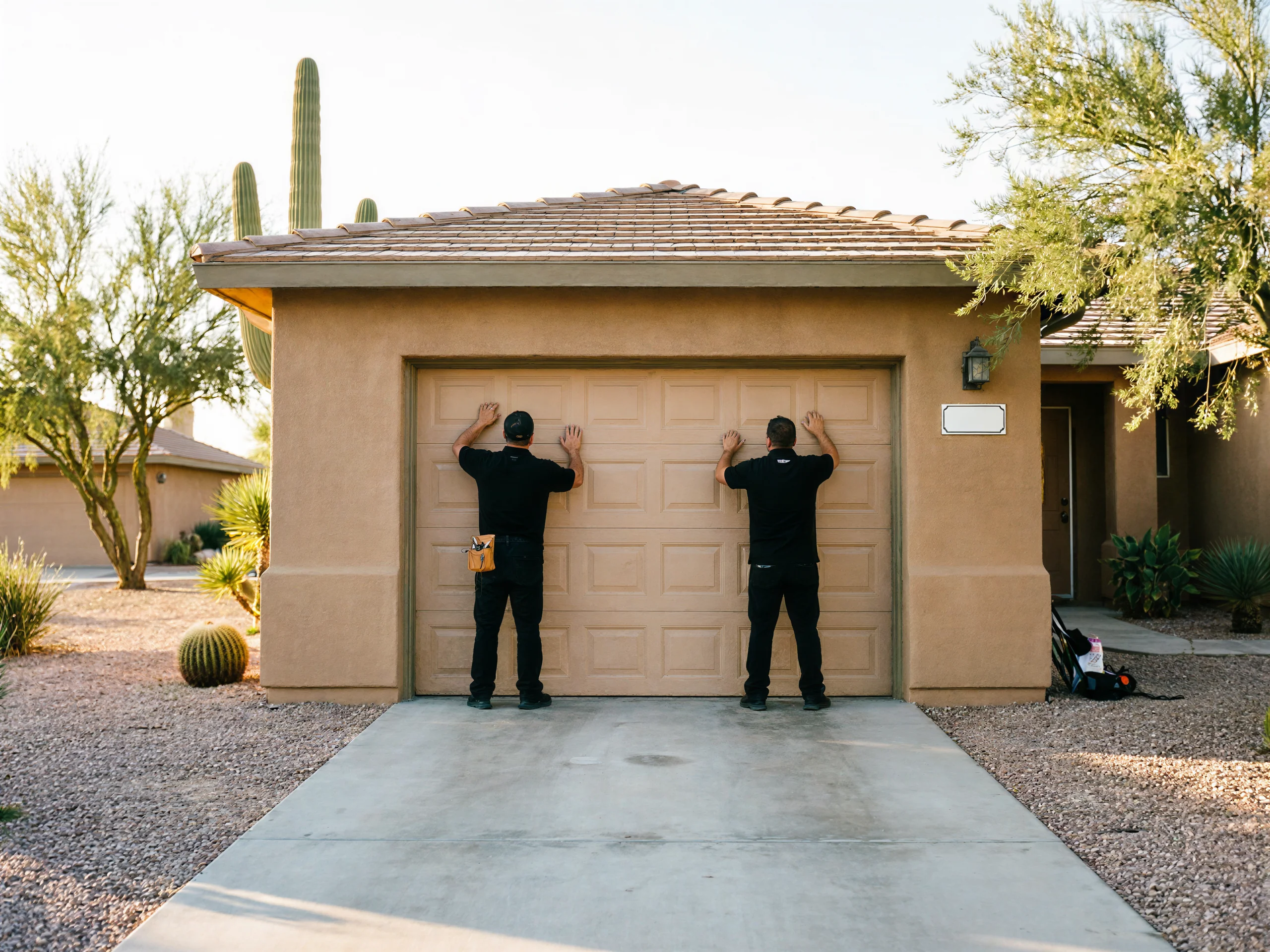
We run jobs out to Litchfield Park from our base in Surprise, about 13 miles each way, so we schedule the drive into the appointment rather than promise a truck on your street within the hour.
Balance and drum inspection
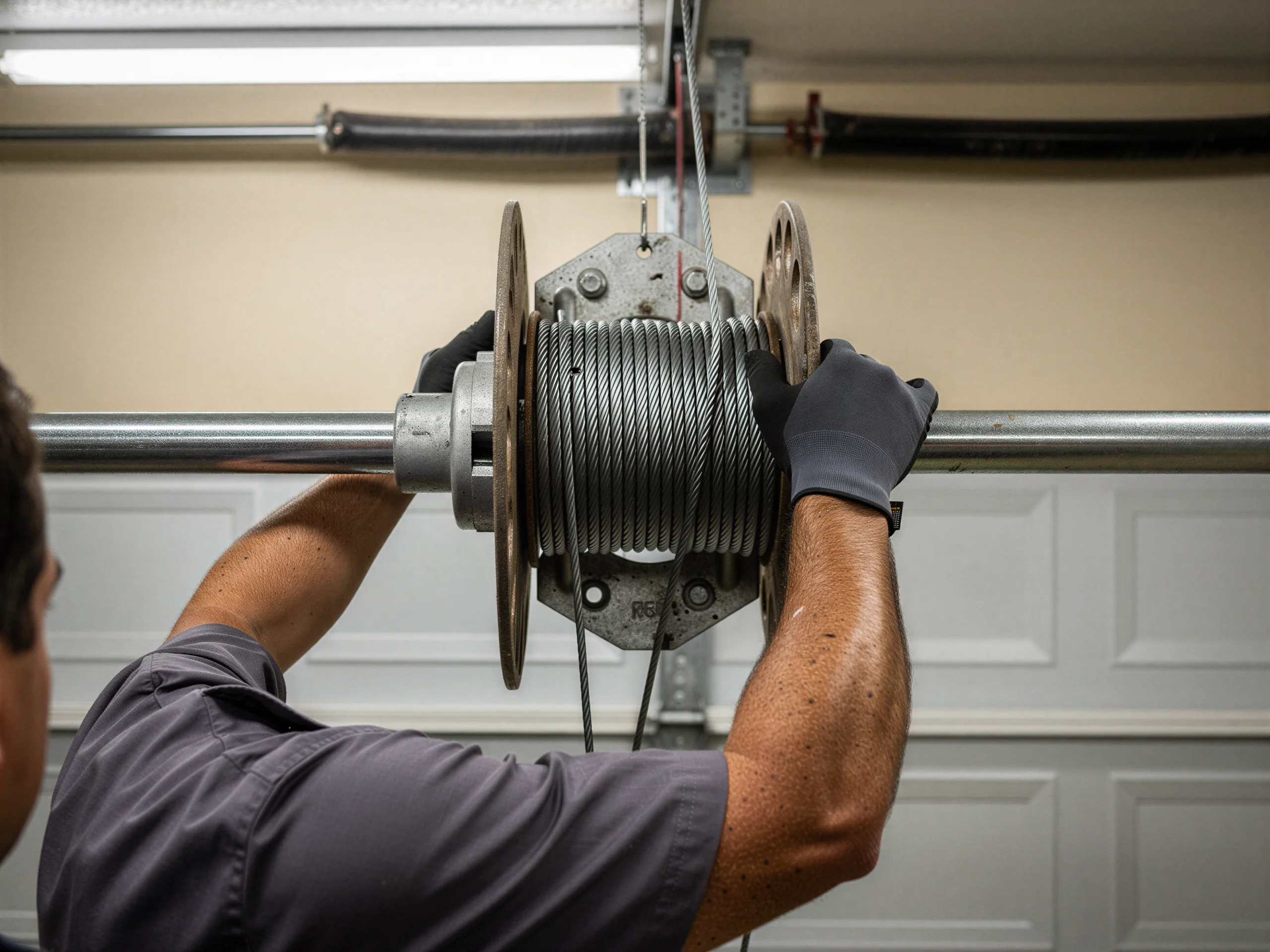
Once we're there, the process is the same as any torsion or extension spring job: we check the door's balance, inspect the drums and cables for wear that usually accompanies a spring failure, and replace the spring sized to the door's weight rather than just swapping in whatever's closest.
Test force and travel
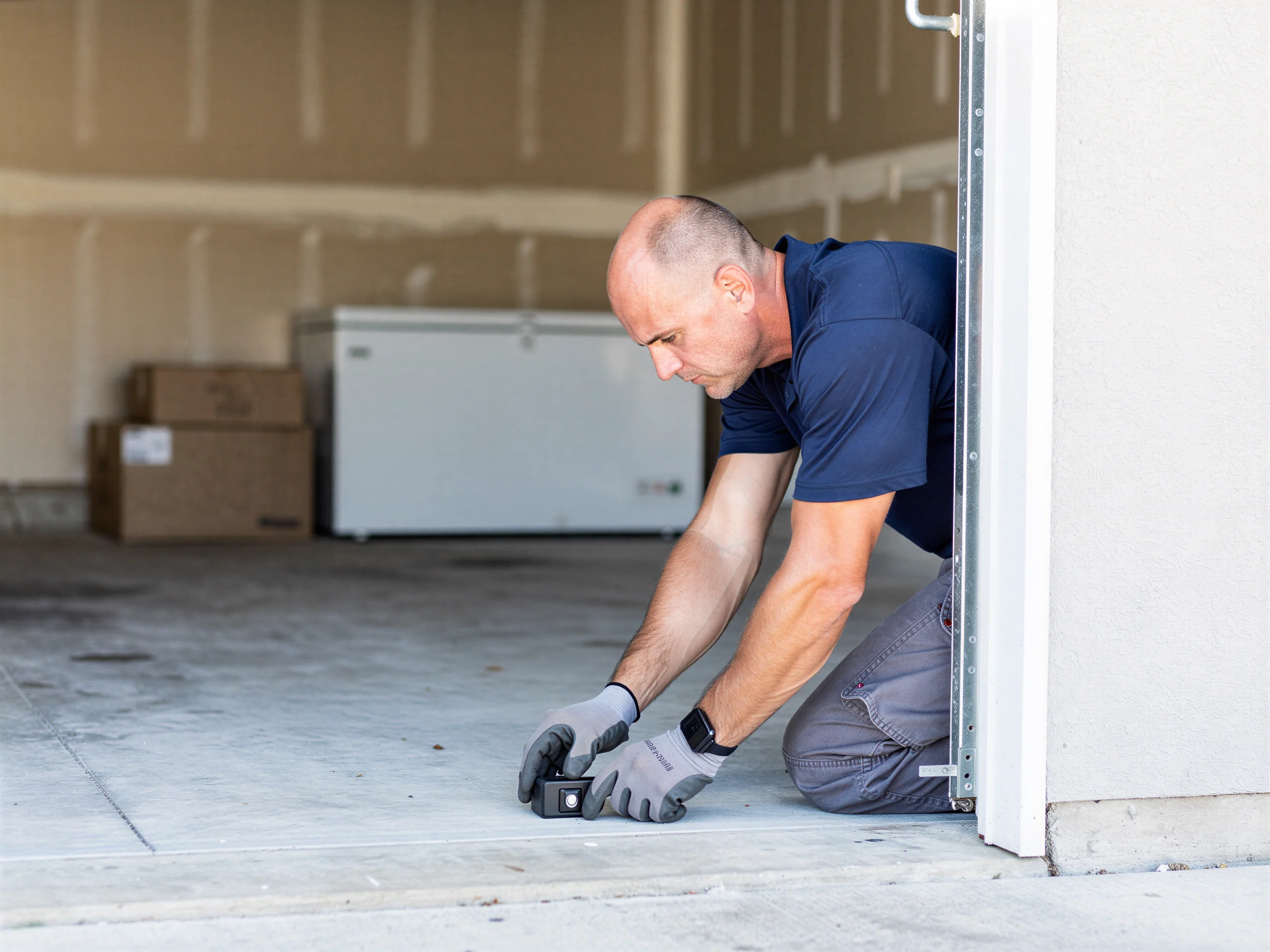
If the opener is the original from a 2001 build, we'll test its force settings and travel limits before assuming the motor itself has failed - sometimes it's the sensors or the logic board, not the gear train. We don't recommend patching a torsion spring with a lighter-duty replacement to save a trip charge; it just fails again sooner and costs more total.
Impact damaged panel options
If a panel is cracked from impact rather than heat, we'll tell you whether a single replacement panel is available for that door's age and run, because on some older builds it isn't and a full door is the only option.
Talk to a local pro
Garage door service in Surprise?
Same-day service with honest, upfront quotes.