How We Fix It
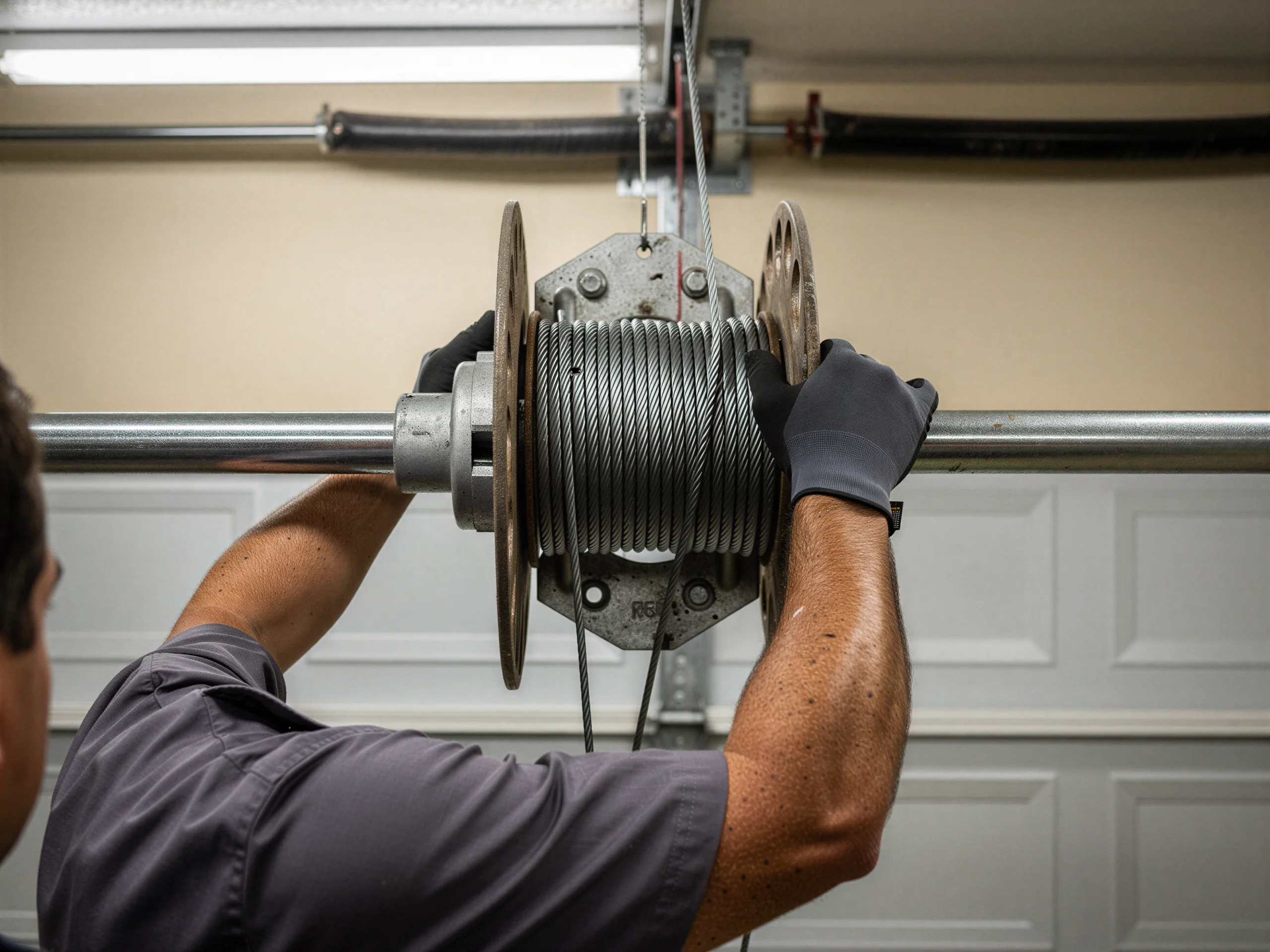
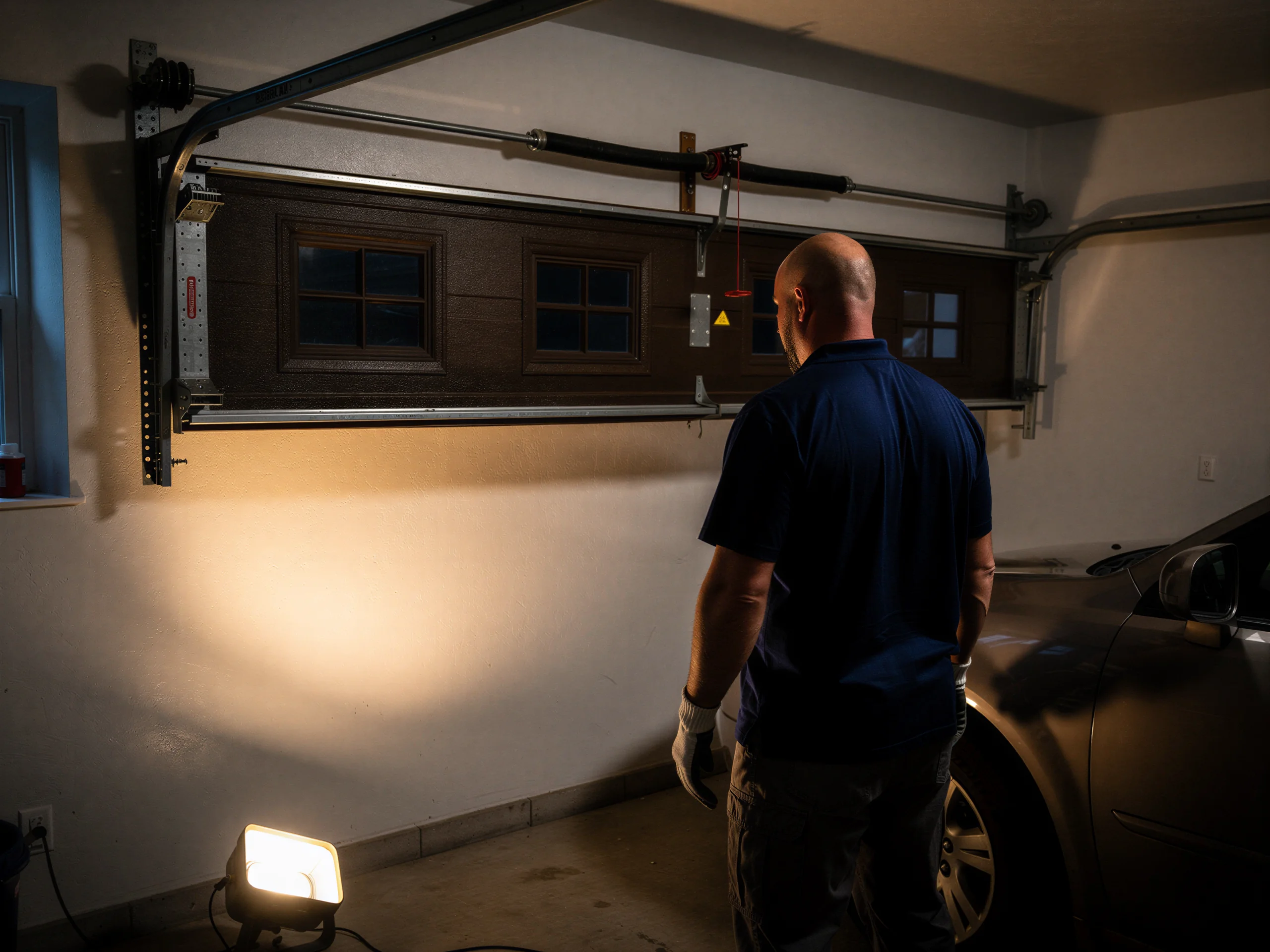
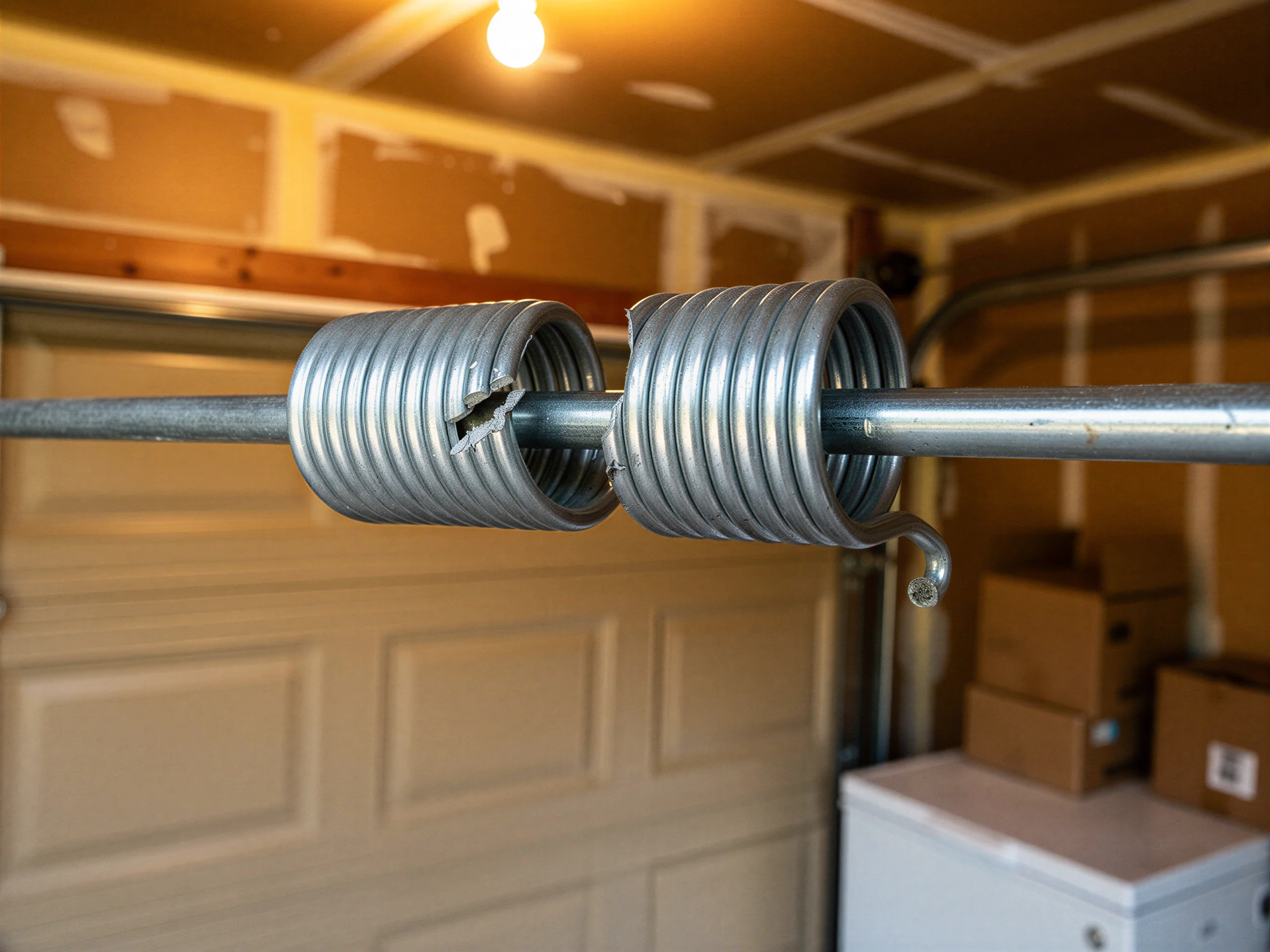
We unload the spring tension first, because rollers sit under load whether the door looks like it's resting or not.
Inspect track for bends
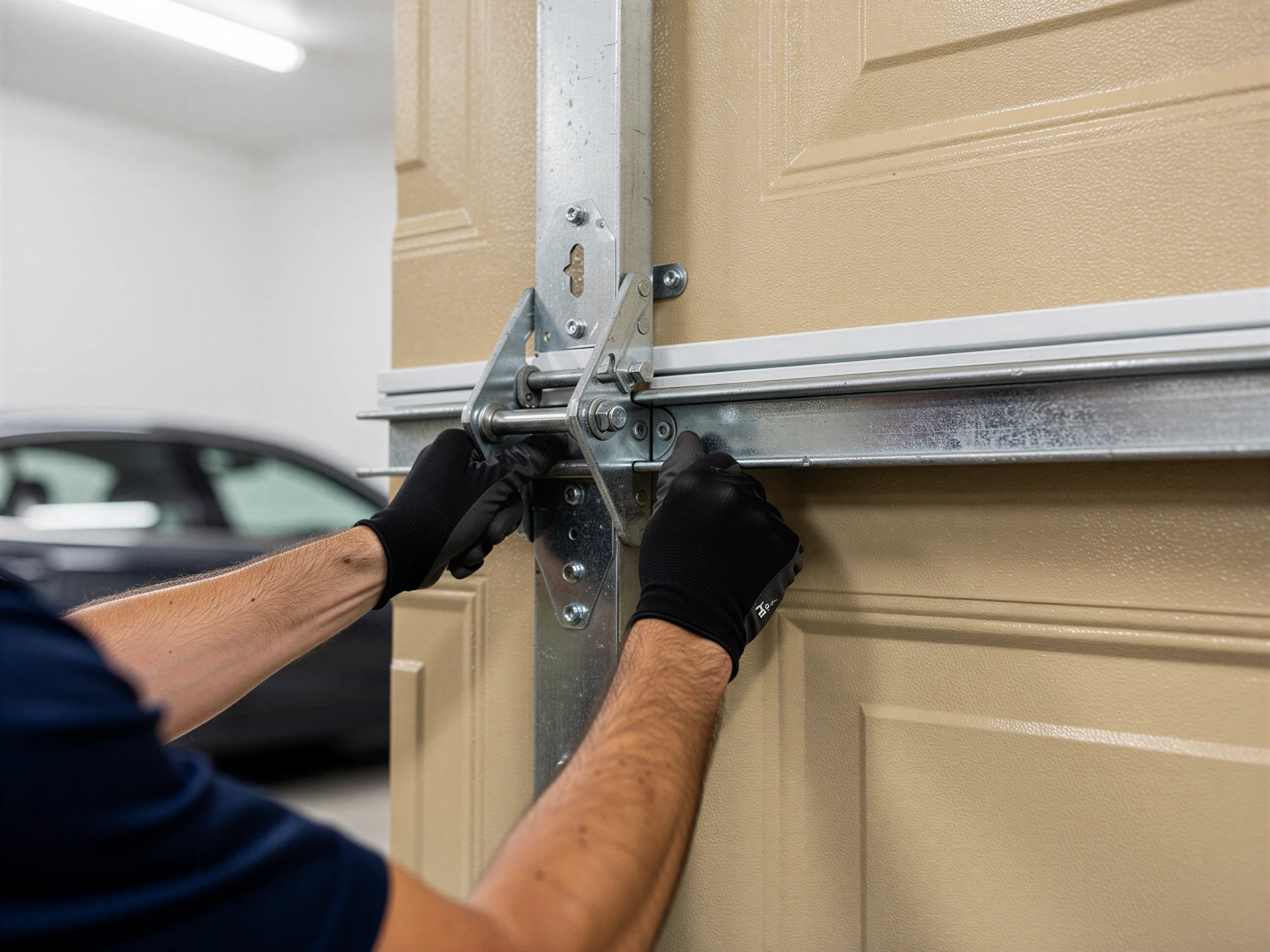
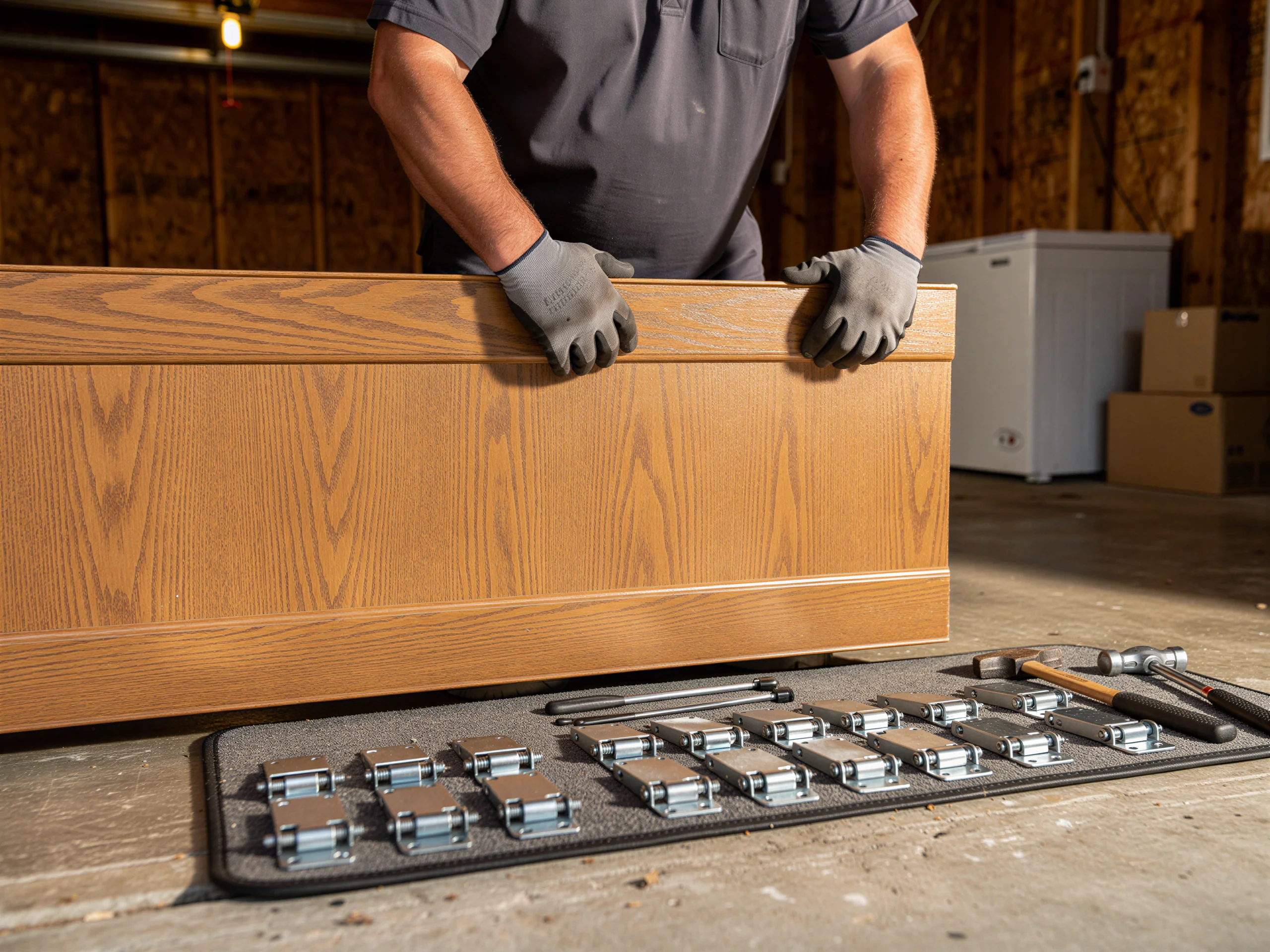
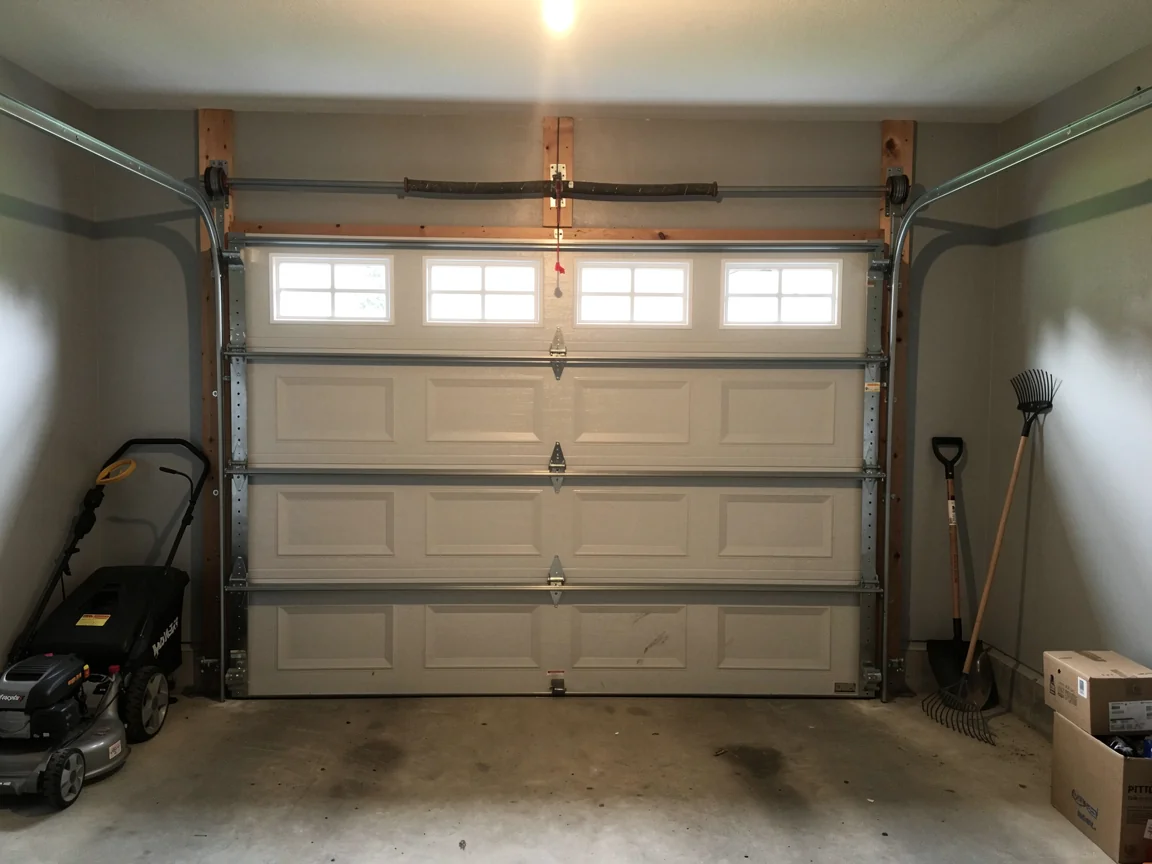
Then we pull the hinges, slide the old rollers out of the track, and check the track itself for the dents and bent flanges that steel rollers tend to leave behind after enough years of metal-on-metal travel. On a 2001-built house, that track is almost always the original factory piece - still serviceable, just scored.
Like-for-like roller swap
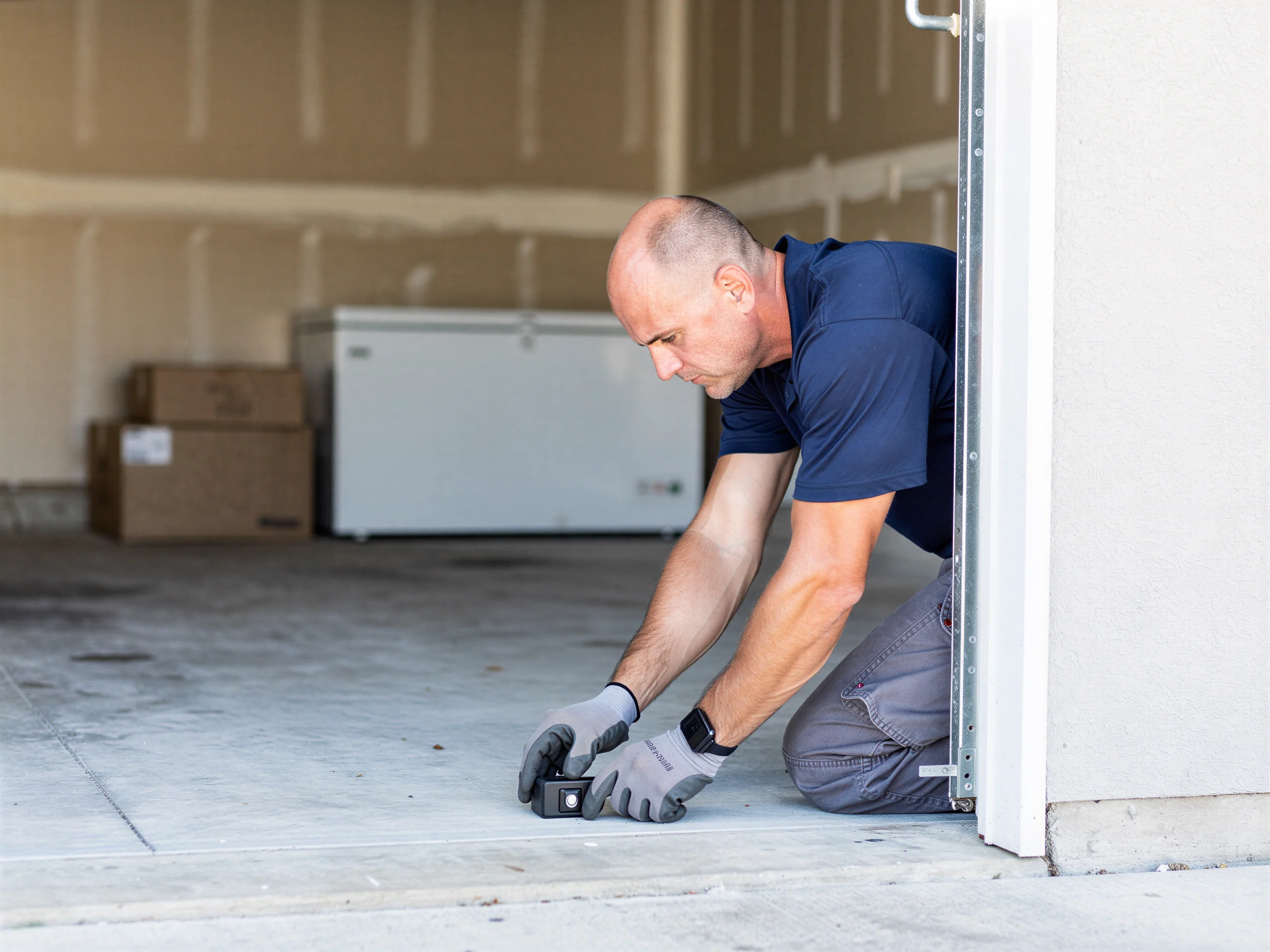
We replace roller for roller, re-set the hinges, and run the door through a full open-close cycle under load before we call it done. If a section of track is bent past straightening, we say so before we touch it, not after.
How Long It Takes
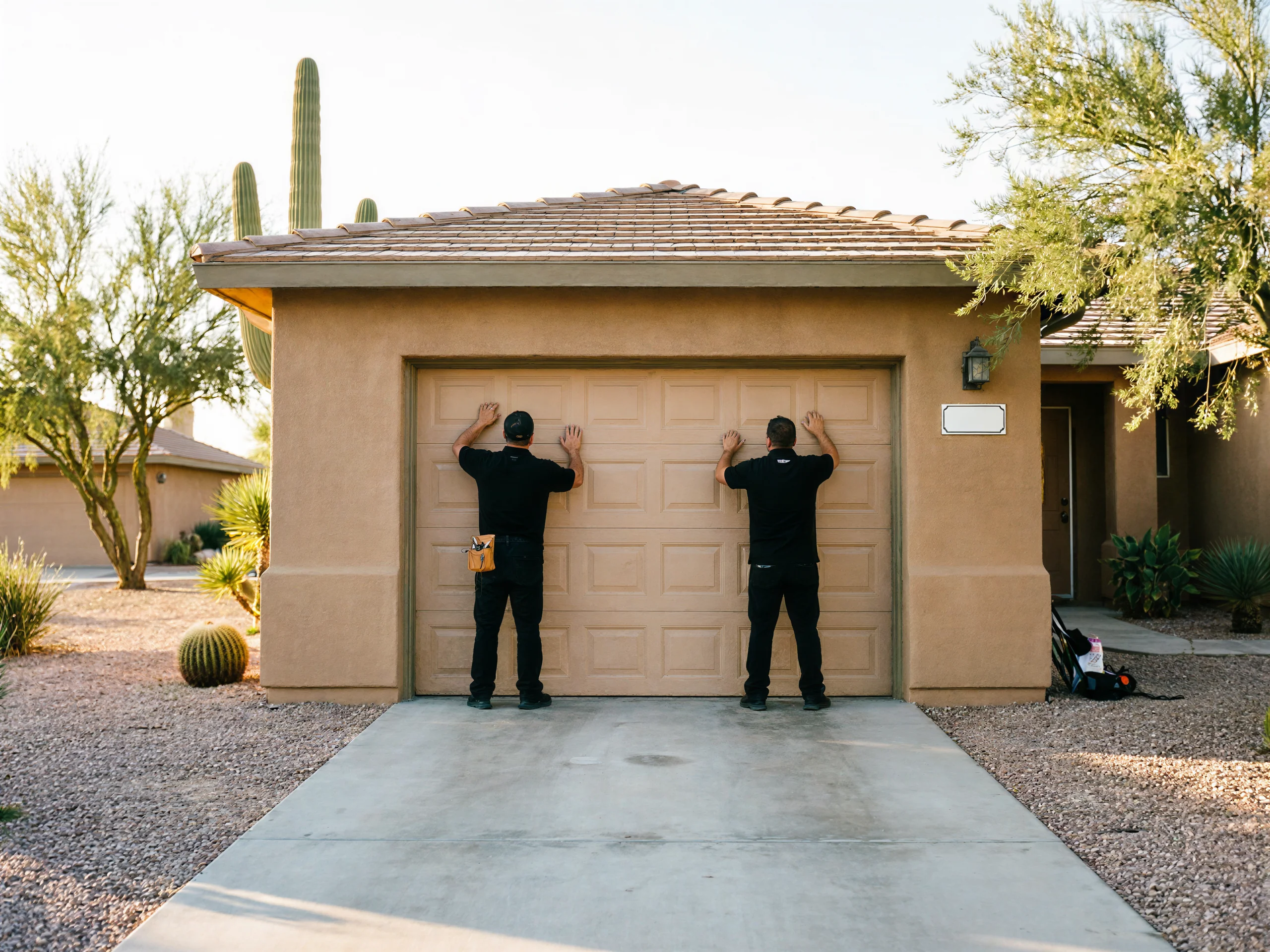
A straight roller swap on a standard double door is a short job once the truck is on site, but Tolleson sits at the far edge of what we cover - about 19 miles out from Surprise. We don't run a branch here, so the job itself is quick; it's the drive that adds to the morning. If you call with a grinding or thumping door, tell us on the phone roughly how old the house is and whether the door has ever been serviced. That one detail tells us which roller style we'll pull off the shelf before we leave Surprise, instead of guessing on site. We bring extra stock for Tolleson calls specifically because it's a one-trip-a-day kind of distance - nobody wants a second drive out for the wrong part.
What Causes It Around Here
Tolleson falls in the same severe-heat band as the rest of the area we cover, and heat is harder on steel rollers than people expect. The factory-standard rollers, with their open ball bearings, depend on grease staying put - and summer temperatures cook that grease thin and push it out of the bearing faster than it would evaporate somewhere milder. Once the bearing runs dry, every cycle grinds metal on metal, and the wear speeds up from there. With roughly 2,630 households in Tolleson built in that same narrow window, we see this same failure show up on a predictable schedule, not as a random breakdown. It's wear, not bad luck, and it's one of the more honest repairs we do - there's no mystery part failing, just steel that's done its job and worn out.
The Symptom
The giveaway on a steel-roller door is a rhythmic clack or grind that gets louder as the door moves, especially right at the bend where the track curves from vertical to horizontal.
Loose stems, flat spots
That's the roller stem working loose in a worn bearing, or a flat spot ground into the roller wheel itself from years of the same contact point taking the load. If the door also shudders sideways partway through the cycle, one or more rollers have likely jumped the track edge rather than riding inside it.
Mechanical rather than electronic
Neither symptom means the opener is at fault - swapping rollers is a mechanical fix, not an electronic one, and we'll tell you plainly if what you're hearing is actually a spring or cable problem instead.
Stocked Parts
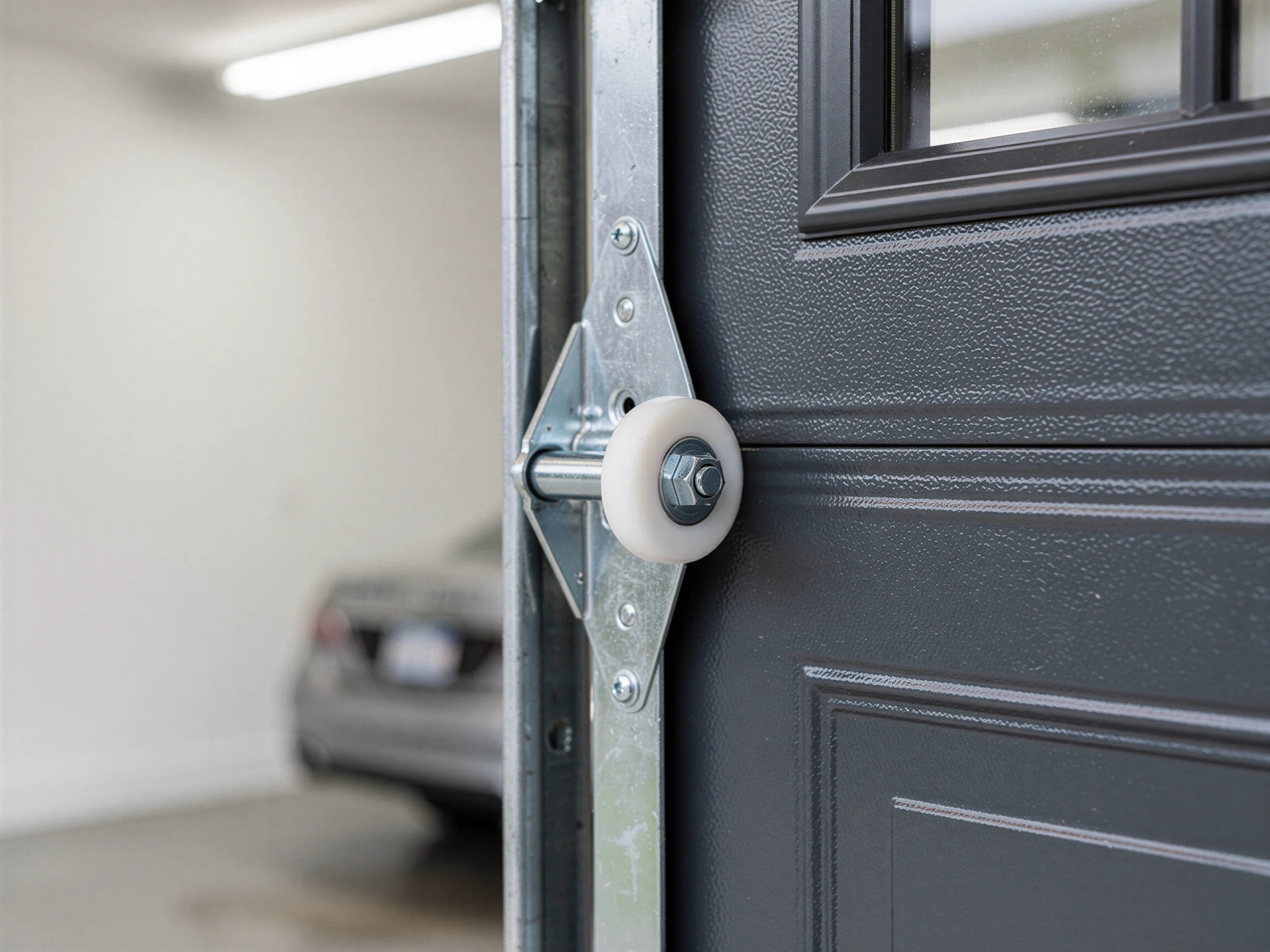
Doors from Tolleson's build era - houses going up around 2001 - almost always left the factory with galvanized steel 7-ball rollers on open bearings, no nylon, no sealed lube. That was standard, cost-conscious hardware for the production builders working this stretch at the time. We carry sealed-bearing nylon rollers as the standard upgrade, because they run quieter and don't need the periodic oiling the original steel rollers do. We also stock the plain steel replacement if a customer wants a like-for-like swap on a budget - at a median household income of $55,015 here, we don't assume everyone wants the upgrade, and we don't push it. Full sets and 2-roller spot repairs both stay in rotation on the truck.
Talk to a local pro
Garage door service in Surprise?
Same-day service with honest, upfront quotes.